
Plants
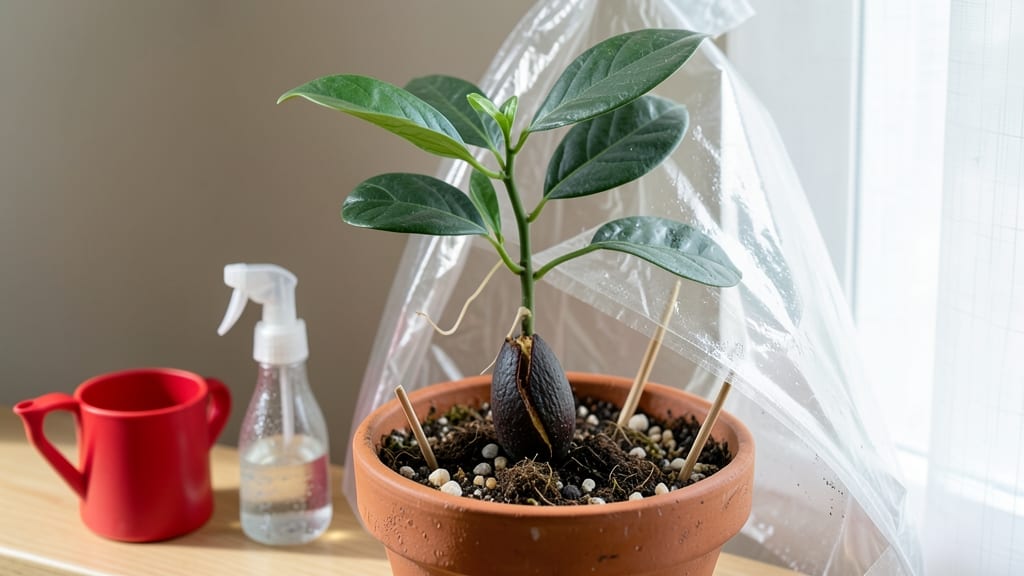
Planting an avocado seed in soil at the right time makes all the difference between a thriving 🥑 tree and a sad, wilted failure. Whether you're starting indoors or outdoors, getting the timing wrong can mean the difference between roots that sprout and seeds that rot before they even begin.
For most gardeners in Zone 6, the ideal window to plant avocado seeds is spring—specifically April to May—when soil temperatures hit that sweet spot of 70-85°F. This isn’t just about avoiding frost; it’s about giving your seed the warm, consistent environment it needs to germinate without stress.
But here’s the catch: if you’re growing indoors, you can actually start anytime year-round, as long as you mimic those warm conditions.
What you’ll discover in this guide is how to sync your planting with your climate, avoid common pitfalls like overwatering or planting too deep, and recognize the subtle signs that your seed is ready to take root.
We’re talking 4-12 weeks of patience before you see those first leaves—but trust me, it’s worth every day.
Let’s break down the exact steps, from seed prep to soil placement, so you can turn that kitchen scrap into a lush, fruit-bearing tree in just a few months. Ready to grow your own avocado tree? Let’s get started.
Best time of year to plant avocado seeds in soil
Timing your avocado seed planting is critical for germination success. Avocado seeds thrive in warm soil temperatures between 70-85°F (21-29°C)—this means spring is ideal for most climates.
In USDA Zone 6, aim for planting between late April and May, after the last frost date (typically around April 15). If you live in warmer zones (like Zone 9-11), you can start as early as February or even extend to June for outdoor planting.
For indoor germination, you have more flexibility—plant seeds anytime the soil stays warm. However, spring still offers the best balance of natural light and warmth. If you start indoors in winter, use a grow light to supplement sunlight until temperatures rise.
This ensures your seedling gets the 6+ hours of light it needs daily for healthy growth.
Outdoor planting requires extra caution. Never plant seeds directly in cold soil—they’ll rot before sprouting. Test soil temperature with a soil thermometer; if it’s below 60°F (15°C), wait.
In cooler regions, wait until nighttime temps stay above 50°F (10°C) before transplanting seedlings outdoors. This usually aligns with late spring in most areas.
| Climate Zone | Best Planting Window | Soil Temp Requirement | Key Consideration |
|---|---|---|---|
| USDA Zone 6-8 | Late April - May | 70-85°F (21-29°C) | Wait for last frost; indoor start recommended |
| USDA Zone 9-11 | February - June | 65-90°F (18-32°C) | Longer growing season; can plant outdoors earlier |
| Indoor Germination | Year-round (with grow lights) | 68-75°F (20-24°C) | Use warm spot near window or under lights |
| Transplanting Seedlings | After last frost (May-June) | 60°F+ (15°C+) | Hardiness to cold varies; acclimate gradually |
Regional differences play a huge role. In northern climates, like the Pacific Northwest, start seeds indoors in March and transplant after June 1. In southern states, like Florida or California, you can plant outdoors as early as January if using a protected microclimate.
Always monitor local frost dates—your seedling’s first leaves are delicate and frost-sensitive.
Light availability also shifts with seasons. Spring and summer provide natural light increases, but if you’re starting seeds indoors in winter, supplement with LED grow lights for 12-14 hours/day.
Without enough light, seedlings become leggy and weak, making them prone to disease. Place containers near a south-facing window for the strongest natural light.
One common mistake is rushing outdoor planting. Even if your seedling looks healthy indoors, wait until nighttime temps stay above 55°F (13°C) before moving it outside.
Start with partial shade for a week to harden off the plant, then gradually increase sun exposure. This acclimation period prevents shock and improves survival rates.
For container growing, timing matters less—but soil warmth still does. Use a heating mat if your home stays cool. Place pots in a sunny, warm spot, like near a kitchen window or under a grow light.
Container-grown avocados can produce fruit in 4-6 years, but only if they receive consistent care from the start.
Pro tip: Mark your calendar for early spring (March-April). This gives you a 12-week head start before transplanting outdoors in May-June. By then, your seedling will have strong roots and 2-3 sets of leaves, making it far more resilient to outdoor conditions.
Finally, remember that patience is key. Avocado seeds can take 4-12 weeks to germinate, depending on soil warmth and moisture. Don’t rush—consistent conditions yield the best results. With the right timing, you’ll be enjoying homegrown avocados in years to come**!
Best time of year to plant avocado seeds in soil
Timing your avocado seed planting is critical for success. Unlike mature trees, seeds need warm soil and consistent moisture to germinate. The ideal window is spring through early summer, when soil temperatures hover between 70-85°F. This aligns with most USDA Zones 8-11, where outdoor planting thrives.
For colder climates (Zones 6-7), start seeds indoors in late winter (February-March) to transplant outdoors after the last frost. This two-step approach gives roots a head start before harsh spring frosts arrive. Always check your local last frost date—planting too early risks seed rot.
🌱 Avocado Seed Planting Timeline by Climate
| Climate Zone | Indoor Start | Outdoor Planting | Soil Temp |
|---|---|---|---|
| Zones 8-11 (Warm) | Not needed | March–April | 70–85°F |
| Zones 6-7 (Cool) | February–March | After last frost (May) | 65–75°F |
| Containers (Any Zone) | Year-round (indoors) | N/A | 70–75°F |
Outdoor planting should wait until nighttime temperatures stay above 50°F. Use a soil thermometer to confirm—seeds won’t sprout below 60°F. In containers, you can plant year-round indoors, but growth slows in winter due to reduced light and cooler temps.
Regional differences matter! In Florida or California, plant outdoors in early spring (February-March). In New York or Michigan, delay until late May to avoid frost. Always choose a well-draining spot—avocado seeds rot quickly in soggy soil.
Pro tip: If you’re in a dry climate, pre-soak the seed for 24–48 hours before planting. This jumpstarts hydration and speeds up germination. Pair this with a warmth mat (75°F) to mimic tropical conditions and encourage faster root development.
Finally, avoid planting in fall or winter unless you’re in a frost-free zone. Cooler temps slow germination, and seeds may take 3–6 months to sprout instead of the usual 4–8 weeks. Patience is key—your avocado tree’s future depends on these early steps! 🌳