
Plants
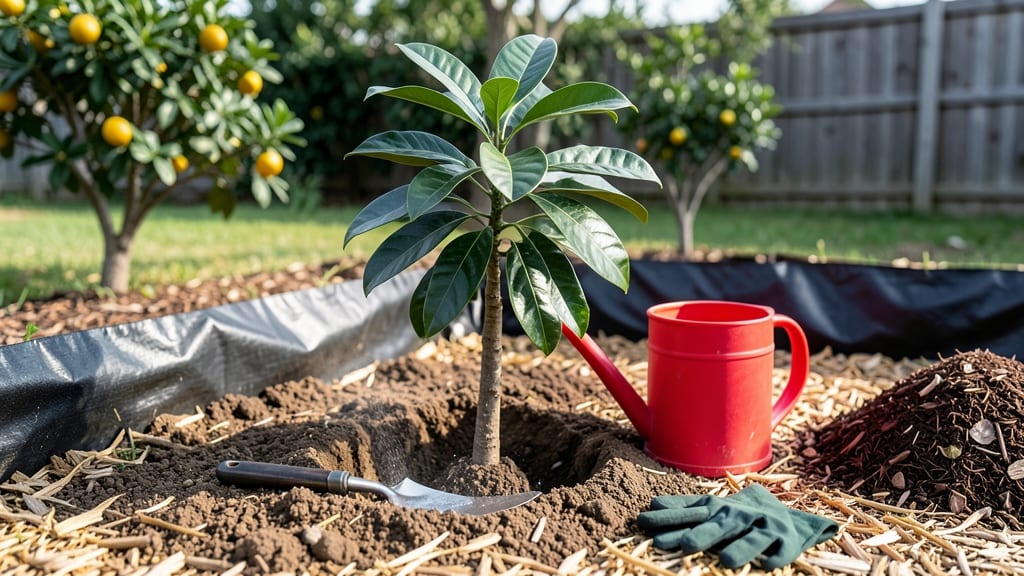
Timing when to plant an avocado tree in the ground can make or break its survival—especially if you're in a frost-prone zone like Zone 6. Plant too early, and a late frost could kill your young sapling; too late, and it struggles to establish roots before winter.
The right window depends on where you live, but there’s a sweet spot for year-round success.
In warmer climates like Zones 9-11, you can plant your 🥑 avocado tree almost anytime, but late winter or early spring gives it the best start. Meanwhile, gardeners in cooler areas must wait until after the last frost—typically May-June—to avoid frost damage.
The key is matching your local climate to the tree’s tropical roots.
This guide breaks down the exact planting windows for your zone, plus soil prep tips and what to do if you miss the ideal time.
Whether you’re digging in the ground or keeping it in a container, we’ll help you avoid common mistakes and set your tree up for fruit-bearing success.
Ready to plant? Let’s get started with the month-by-month timeline that works for your climate—and keeps your avocado tree thriving.
Best planting times by USDA climate zones: a month-by-month guide
Avocado trees thrive in USDA Zones 9-11, where frost is rare and temperatures stay warm year-round. If you live in Zones 6-8, timing becomes critical—planting too early risks frost damage, while waiting too long delays growth.
Let’s break down the optimal planting windows for your zone, including soil temperature requirements and regional adjustments.
In Zones 9-11, you can plant avocado trees year-round, but late winter to early spring (January–March) is ideal. The soil should be at least 60°F (15°C) at 4 inches deep, signaling root-friendly conditions.
In Zones 6-8, wait until after the last frost date—typically May or June—to avoid cold snaps that can kill young trees.
Soil temperature is your best indicator, not just the calendar. Use a soil thermometer to confirm warmth before planting. In California’s coastal zones (9-10), early spring plantings benefit from cooler soils, while Florida’s humid subtropical climate (Zone 10-11) allows year-round planting with minimal risk.
Here’s a month-by-month breakdown for your zone, including frost-free dates and soil prep tips:
| Zone | Best Planting Months | Soil Temp Requirement | Key Considerations |
|---|---|---|---|
| 9-11 (Tropical/Subtropical) | Year-round (optimal: Jan–Mar) | ≥60°F (15°C) | No frost risk; plant after rains for moisture. |
| 8 (Transitional) | May–June (after last frost) | ≥65°F (18°C) | Use row covers for early spring plantings. |
| 6-7 (Cold Zones) | June–July (container only) | ≥70°F (21°C) | Grow in pots; move indoors in winter. |
For Zones 9-11, late winter plantings (February–March) give roots time to establish before summer heat. In Zone 8, aim for May to avoid late-spring frosts, which can blacken leaves and stunt growth.
If you’re in Zone 7 or below, container growing is your best bet—plant in June–July and overwinter indoors near a south-facing window.
Regional microclimates matter too. For example, Los Angeles (Zone 10) has mild winters, so you can plant as early as December, while Miami (Zone 11) allows year-round plantings with no soil temp concerns.
Always check your local frost dates via the USDA Plant Hardiness Zone Map or your state’s agricultural extension service.
Pro tip: If planting in summer (June–August), water deeply before transplanting to reduce shock. Mulch with 3–4 inches of organic matter (like wood chips) to retain moisture and regulate soil temperature. Avoid planting in fall (September–November) in frost-prone zones—young trees won’t have time to harden off before winter.
For container growers in cold zones, late spring (May–June) is ideal. Choose a 15–25 gallon pot with drainage holes and use a lightweight potting mix (like cactus/succulent blend). Move containers to a garage or sunroom when night temps drop below 50°F (10°C).
Remember: Avocados hate cold. Even a single night below 32°F (0°C) can kill young trees. If you’re in a transitional zone (Zone 8), consider dwarf varieties like ‘Wurtz’, which tolerate slightly cooler temps than standard types.
Signs your climate is ready to plant avocados (beyond the calendar)
Avocado trees thrive in warm climates, but planting at the right time isn’t just about checking a calendar—it’s about reading your local microclimate. Even in USDA Zone 9-11, late-winter plantings work best when soil temperatures hit 60°F+.
In cooler zones, wait until nighttime temps stay above 50°F consistently.
One of the first signs your climate is ready is soil warmth. Stick your finger 2-3 inches deep—if it feels warm (like a hot bath), roots will grow happily. Urban areas often warm up faster than rural spots, so test multiple locations.
Avoid planting after late-spring frosts, which can kill young trees.
- Soil temp ≥60°F (test with a soil thermometer or finger)
- No frost risk for at least 2 weeks after planting
- Daytime highs ≥70°F consistently (avocados love heat!)
- Local blooms like bougainvillea or citrus are thriving
- Nighttime lows >50°F (critical for root growth)
For gardeners in transitional zones (Zone 8), microclimates matter. South-facing slopes or paved areas retain heat longer, making them ideal spots. If your yard has partial shade, choose a dwarf variety like ‘Wurtz’—it tolerates cooler temps better than standard types.
Watch for local plant cues too. If your neighbor’s citrus trees are flowering or your hibiscus is blooming nonstop, it’s a green light. These plants share similar warmth needs. Even in warm zones, avoid planting during summer heatwaves—young roots can scorch.
Pro tip: Use a row cover or cloche for 2-3 weeks after planting in marginal zones. This gives roots a head start before transitioning to outdoor conditions. Monitor for yellowing leaves, a sign of stress from sudden temperature swings.
Remember, avocados are tropical at heart. If your area gets below 20°F even occasionally, container growing is your best bet. But if you’ve checked all these boxes, your climate is ready—dig that hole and plant with confidence!