
Plants
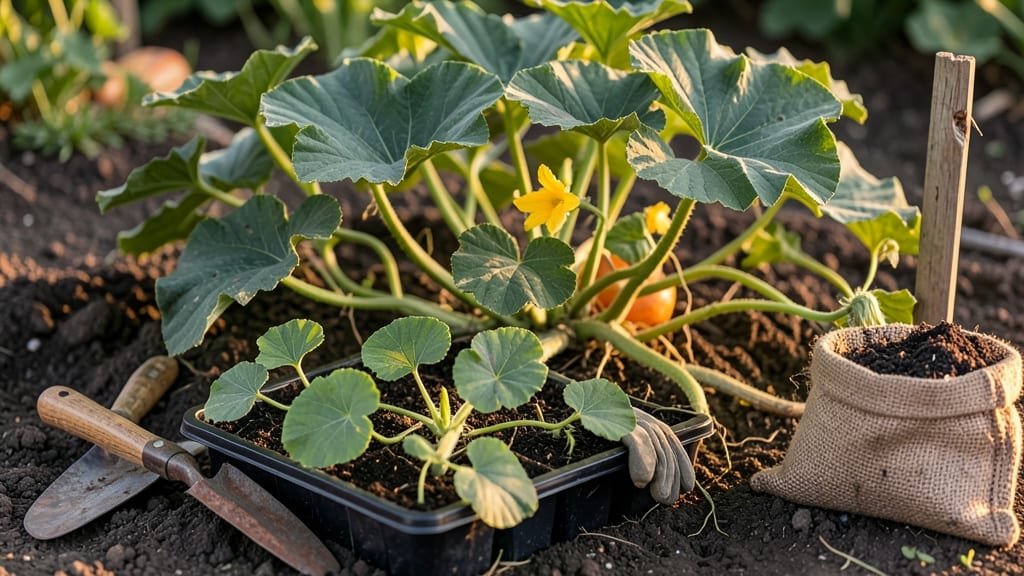
Timing your 🎃 pumpkin planting in Ohio isn’t just about grabbing seeds and sticking them in the dirt—it’s a science that can mean the difference between a bumper crop and a sad, wilted vine.
With Ohio’s 6a zone climate, you’ve got roughly 165 frost-free days to work with, and planting too early or too late can leave you scrambling.
Most Ohio gardeners wait until after the last frost date—typically mid-April—but that’s only half the battle. Soil temperature matters just as much: pumpkin seeds need at least 70°F to germinate, and waiting for that warmth can push your planting window into late May or even early June.
Get it wrong, and you might miss the 90-day growth window needed for a full harvest before the first frost hits in October.
Here’s the good news: with the right variety and a few smart tricks—like black plastic mulch or row covers—you can stretch that window and avoid common mistakes that kill yields.
Whether you’re growing jack-o’-lanterns or butternut squash, I’ll show you exactly when to plant, how to prep your soil, and what to watch for to ensure your pumpkins thrive all season long.
Ready to turn your Ohio garden into a pumpkin patch? Let’s dive into the frost-free deadlines and pro tips that’ll have you harvesting before Halloween—no guesswork required.
Ohio pumpkin planting deadlines by hardiness Zone (5-7): exact dates & frost risk
Ohio’s USDA Zones 5-7 experience wildly different frost patterns, making pumpkin planting a timing puzzle. In Zone 5a (northern Ohio), the last spring frost typically hits May 15, while Zone 7a (southern Ohio) sees frost-free conditions by April 15.
Plant too early, and your seedlings will wilt from frost; too late, and your harvest window shrinks.
Pumpkins need 70–90 days to mature, so aim to plant 30–45 days before your first fall frost (usually mid-October). In Ohio, this means starting seeds indoors 2–3 weeks before your last frost date or transplanting hardened seedlings after May 15 in most regions.
Soil temperature is critical: pumpkin seeds won’t germinate below 60°F, but they thrive at 70°F+. Use a soil thermometer to confirm readiness—especially in Zone 5, where cool soils delay growth.
| Zone | Last Frost Date | Optimal Planting Window | First Frost Risk |
|---|---|---|---|
| Zone 5a | May 15 | May 22–June 10 | Oct 10–15 |
| Zone 5b | May 1 | May 10–25 | Oct 15–20 |
| Zone 6a | April 20 | April 28–May 15 | Oct 20–25 |
| Zone 7a | April 15 | April 22–May 5 | Nov 1–5 |
For direct sowing (planting seeds outdoors), wait until soil reaches 70°F—usually late May in Zone 5 and early May in Zone 7. If you’re transplanting seedlings, harden them off for 7–10 days before moving them to the garden.
Ohio’s summer heat can be just as dangerous as frost. Pumpkins planted after June 15 risk bolting (premature flowering) or underdeveloped fruit before frost. Choose fast-maturing varieties (e.g., ‘Jackpot’ in 75 days) if planting late.
Monitor your local Almanac frost predictions and adjust planting dates if unseasonable cold lingers. In Zone 5, a late frost in June can still damage young vines—so have row covers ready.
To maximize your harvest window, succession plant every 2 weeks from May to June. This ensures a continuous supply of pumpkins before frost hits. Just remember: smaller, earlier varieties (like ‘Small Sugar’) are your best bet for northern Ohio.
If you’re growing for carving, prioritize larger varieties (e.g., ‘Howden’ or ‘Cinderella’) and plant them as early as possible—they need 100+ days to reach jack-o’-lantern size.
🎃 Key Takeaway: Plant pumpkins in Ohio between late April (Zone 7) and mid-June (Zone 5), but always confirm soil temperature and frost-free dates for your exact location.
How to extend Ohio’s pumpkin growing season: cold-hardy varieties & soil tricks
Ohio’s short growing season can feel like a race against time for pumpkin lovers, but with the right cold-hardy varieties and a few soil tricks, you can push your planting window 2–3 weeks earlier without risking frost damage.
I’ve grown pumpkins in Zone 6a for years, and these strategies have helped me beat Ohio’s unpredictable springs.
Start by choosing early-maturing varieties that thrive in cooler soils. Varieties like ‘Jackpot’ (75-day harvest) or ‘Small Sugar’ (80-day harvest) are perfect for Ohio’s climate. These pumpkins tolerate soil temperatures as low as 60°F, giving you a head start before the ground warms up.
🌱 Top 5 Ohio-Friendly Pumpkin Varieties
- ‘Jackpot’ – 75 days, compact vines (ideal for small gardens)
- ‘Small Sugar’ – 80 days, sweet flesh, great for pies
- ‘Waltham Butternut’ – 90 days, cold-tolerant, nutty flavor
- ‘Howden’ – 95 days, classic jack-o’-lantern shape
- ‘Cinderella’ – 100 days, disease-resistant, large fruits
To further extend your season, use black plastic mulch or row covers to warm the soil. Lay down mulch 2–3 weeks before planting—this raises soil temperatures by 5–10°F, helping seeds germinate faster. For extra protection, cover young seedlings with floating row covers until they’re 4–5 inches tall.
If you’re starting seeds indoors, begin them 4–6 weeks before your last frost date. Use biodegradable pots to avoid transplant shock, and harden off seedlings by placing them outdoors for 2–3 hours daily in the week before transplanting.
This gradual adjustment helps them survive Ohio’s late spring temperature swings.
One trick I swear by is planting warm-season crops like bush beans alongside pumpkin seedlings. The beans fix nitrogen in the soil, giving your pumpkins a nutrient boost while also providing shade for young vines during Ohio’s hot afternoons.
Just be sure to space them 3 feet apart to avoid competition.
Finally, monitor your pumpkin vines closely for early signs of stress, like yellowing leaves or stunted growth. These can signal transplant shock or nutrient deficiencies. A quick soil test (ideal pH: 6.0–6.8) and a side dressing of compost can turn things around fast.
With these tricks, you’ll have pumpkins thriving even if Ohio’s spring drags on!