
Plants
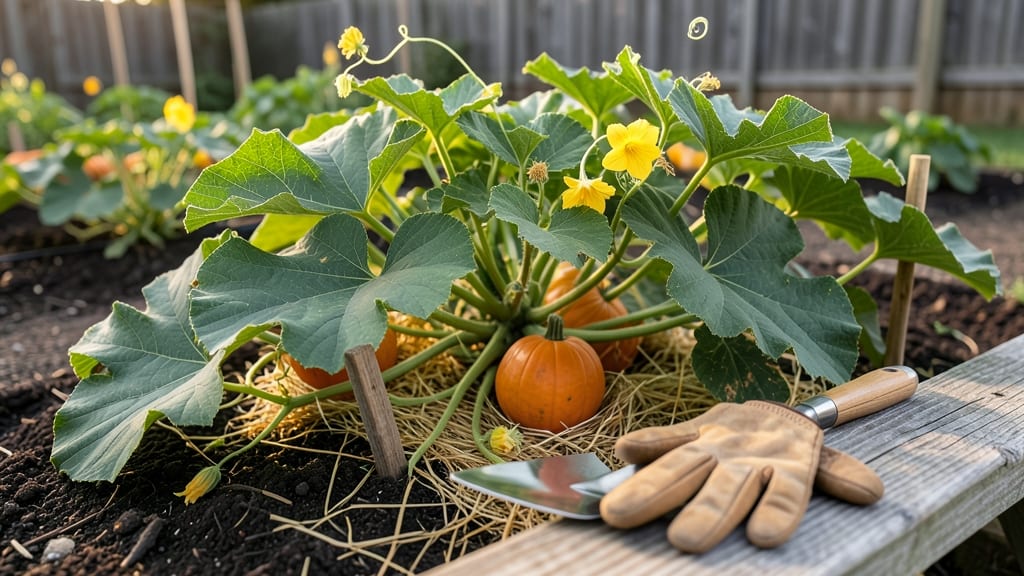
Planting pumpkins in Oregon isn’t just about grabbing seeds and sticking them in the dirt—it’s about mastering the perfect timing to beat frost and maximize your harvest.
The Willamette Valley’s mild climate and the high desert’s cooler nights create two very different planting windows, and getting it wrong could mean tiny pumpkins or none at all.
For most of Oregon’s USDA Zones 7b-8a, your best shot starts between mid-April and early June, right after the last frost date. But here’s the catch: high-desert areas like Bend might need to plant a week or two later than Portland, where soil warms faster.
Whether you’re growing ‘Jack Be Little’ for quick pickings or a classic carving pumpkin, knowing your microclimate is the key to success.
You’ll also want to consider whether to start seeds indoors or sow directly—each method has its own deadline. And with Oregon’s unpredictable weather, we’ll cover how to stretch your growing season so you’re not racing against frost come October.
Let’s dive into the exact planting schedule that’ll give you the biggest, healthiest pumpkins.
From soil prep to variety selection, this guide cuts through the guesswork so you can focus on what matters: watching those 🎃 vines spread and your garden transform into a pumpkin patch. Ready to plant with confidence?
Oregon pumpkin planting deadlines by Zone 7 vs. 8 (frost-free windows)
Oregon’s USDA Zones 7 and 8 create a tricky balance for pumpkin growers. Zone 7 (like the Willamette Valley) has a longer frost-free window (180+ days), while Zone 8 (high desert areas) faces earlier frosts.
The key is planting after your last average frost date—typically mid-April to early May—but before soil temperatures hit 90°F, which can stunt germination.
For direct-sown seeds (the easiest method), aim for 2-4 weeks after your last frost. If you’re starting indoors, begin seeds 4-6 weeks before transplanting (around March 1 for Zone 7, March 15 for Zone 8).
Transplant seedlings when they’re 2-3 weeks old and soil is at least 60°F.
Here’s the critical timeline: Zone 7 can plant until early June for late-season varieties, while Zone 8 should finish by mid-May to avoid frost. Use local frost data (check Oregon State University’s frost maps)—your microclimate matters more than the zone alone.
| Factor | Zone 7 (Willamette Valley) | Zone 8 (High Desert) |
|---|---|---|
| Last Frost Date | April 15–May 1 | March 15–April 1 |
| Ideal Planting Window | April 15–June 1 | March 30–May 15 |
| Soil Temp for Germination | 60–90°F | 60–85°F |
| Transplant Ready | May 1–June 1 | April 15–May 1 |
| First Frost Risk | October 15–November 1 | September 30–October 15 |
| Recommended Varieties | ‘Howden’ (85 days), ‘Cinderella’ (90 days) | ‘Jack Be Little’ (75 days), ‘Small Sugar’ (80 days) |
For direct sowing, drop seeds 1 inch deep in hills (3 seeds per mound, spaced 2–3 feet apart). Hills improve drainage and reduce blossom-end rot. If you’re transplanting, harden off seedlings for 7–10 days before moving them to the garden to avoid shock.
Watch for soil warmth—pumpkin seeds won’t sprout well in cold soil. Use a soil thermometer to confirm temps are 60°F+. In Zone 8’s cooler high desert, opt for shorter-season varieties like ‘Jack Be Little’ (75 days) to beat frost.
In Zone 7’s warmer valleys, you can push later plantings with black plastic mulch.
Pro tip: Succession plant every 2 weeks in Zone 7 to stagger harvests. Start with fast-maturing varieties (75–90 days) for Zone 8, and save longer-season types (100+ days) for Zone 7. Always check your local frost dates—they can shift yearly!
Remember, pumpkins need space. Plan for 50–100 square feet per plant to avoid competition. In small gardens, choose bush varieties like ‘Sugar Pie’ (compact vines). Avoid planting too early—cold soil causes rot, and hot soil (above 90°F) kills seeds.
If you miss the window, don’t panic! Start seeds indoors under grow lights and transplant later. Just be ready to protect seedlings with row covers if frost threatens. With the right timing, you’ll have plump, vine-ripened pumpkins by Halloween! 🎃
Oregon pumpkin planting deadlines by Zone 7 vs. 8 (frost-free windows)
Oregon’s USDA Zones 7 and 8 have distinct planting windows for pumpkins, with Zone 7 (cooler) requiring earlier starts than Zone 8 (warmer). The key is planting after the last frost date, which typically falls between March 15 and April 15.
For Zone 7, aim for mid-April to early May, while Zone 8 gardeners can start as early as late March to mid-April.
Pumpkin seeds need soil temperatures above 60°F to germinate, so wait until the ground warms—use a soil thermometer if unsure. In Oregon’s Willamette Valley, cooler microclimates may delay planting by 1-2 weeks compared to high-desert regions like Bend, where earlier starts are possible.
Direct-sowing is ideal for pumpkins, but you can start seeds indoors 2-3 weeks before the last frost if using bush varieties like 'Jack Be Little.' Transplants should be 3-4 inches tall with 2-3 true leaves before moving outdoors. Harden them off for 5-7 days to prevent shock.
| Factor | Zone 7 (Cooler) | Zone 8 (Warmer) |
|---|---|---|
| Last Frost Date | Mid-April | Late March |
| Ideal Planting Window | Mid-April to early May | Late March to mid-April |
| Soil Temp Requirement | 60°F+ (wait longer) | 60°F+ (earlier) |
| Transplant Hardening | 5-7 days (critical) | 5-7 days (critical) |
| First Frost Risk | October 15+ | November 1+ |
*Adjust for microclimates—high desert areas plant 1-2 weeks earlier.
For direct-sown pumpkins, create mounds 2-3 feet apart to improve drainage and pollination. In Oregon’s humid climate, space rows 6 feet apart to prevent fungal diseases. Use black plastic mulch to warm soil faster and suppress weeds—this can shave 1-2 weeks off your planting timeline.
If you miss the spring window, succession planting is possible in Zone 8 through early June, but expect smaller yields. Always prioritize fast-maturing varieties (under 90 days) for late starts.
For example, 'Howden' (75 days) thrives in Oregon’s short season, while 'Cinderella' (85 days) is better for Zone 8.
Monitor local frost forecasts via Oregon State University Extension or Almanac.com—these tools predict first frost dates with 90% accuracy. Aim to harvest before October 15 in Zone 7 and November 1 in Zone 8 to avoid frost damage.
Store pumpkins in a cool, dry place (50-55°F) for 2-3 months post-harvest.