
Planting
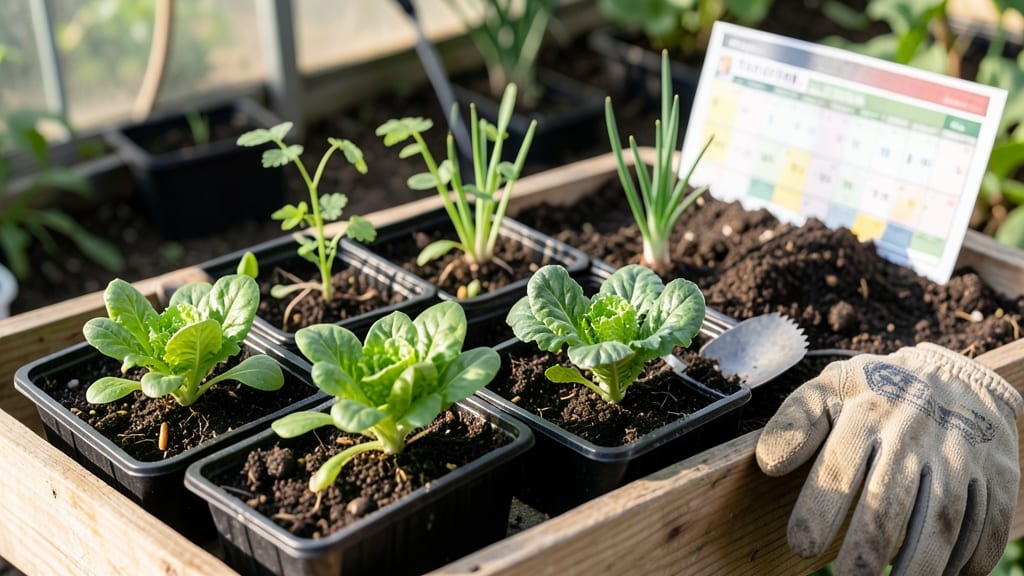
When should you plant a garden in Ohio? Timing your garden right isn’t just about following a calendar—it’s about beating frost, outsmarting unpredictable weather, and giving your 🌱 Garden Vegetables (General) the best shot at thriving.
Plant too early, and a late frost wipes out your hard work; too late, and you miss peak harvests. The key? Knowing your USDA Zone 6a deadlines and how microclimates shift planting windows by county.
Most Ohio gardeners start cool-season crops like lettuce and peas by early March, but wait until after April 15 for heat-loving tomatoes and peppers—when soil warms to 60°F. That’s the difference between a bumper crop and a sad, stunted plant.
I’ll break down the exact windows for your county, so you can align your planting with Ohio’s frost-free magic window.
What if your neighbor’s tomatoes ripen weeks before yours? It’s not luck—it’s strategy. We’ll cover how to extend your season with row covers, choose fast-growing varieties, and adjust for Toledo’s cooler springs or Cincinnati’s earlier thaws. No more guessing games, just data-driven planting.
Ready to turn your Ohio garden from "meh" to "marvelous"? Let’s dive into the zone-specific deadlines that’ll have you harvesting like a pro—no frost-related failures in sight.
Ohio planting deadlines by USDA hardiness zones (5a-6b)
Ohio’s gardening success hinges on understanding its three primary USDA zones: 5a (north), 5b-6a (central), and 6b (south). Each zone has distinct last frost dates that dictate when to plant cool-season crops like spinach and peas versus warm-season favorites like tomatoes and peppers.
Northern Ohio (Zone 5a) typically waits until mid-April, while southern Ohio (Zone 6b) can start as early as late March.
For cool-season vegetables, aim to plant 4-6 weeks before your last frost date. In Ohio, this usually means March for southern counties and April for northern areas. Warm-season crops, however, need soil temperatures above 60°F—a threshold often reached by mid-May in most regions.
Using a soil thermometer ensures you’re planting at the right time for heat-loving plants.
Microclimates within Ohio can shift planting windows by 1-2 weeks. For example, cities like Columbus (Zone 6a) may experience earlier last frosts than rural areas in Lorain County (Zone 5b).
Always check your local agricultural extension office for county-specific data, as frost dates can vary by 5-10 days even within the same zone.
Last frost dates are your gardening North Star, but don’t rely solely on averages. In 2023, northern Ohio saw a late frost in May, while southern Ohio experienced an early frost in September. Plan for flexibility by using row covers or cold frames to extend your growing season.
| Zone & County | Last Frost Date | Cool-Season Planting Window | Warm-Season Planting Window | First Frost Date |
|---|---|---|---|---|
| Zone 5a (Ashtabula, Trumbull) | April 20 | March 15 - April 15 | May 15 - June 1 | October 10 |
| Zone 5b (Cuyahoga, Lorain) | April 10 | March 1 - April 10 | May 1 - May 15 | October 15 |
| Zone 6a (Franklin, Hamilton) | April 5 | February 28 - April 5 | April 20 - May 10 | October 20 |
| Zone 6b (Clark, Montgomery) | March 25 | February 15 - March 25 | April 10 - April 30 | October 25 |
If you’re planting perennials or shrubs, aim for early spring (March-April) when soil is workable but before buds swell. For annual flowers like marigolds or petunias, wait until after your last frost date to avoid stunted growth.
Seed packets often include planting dates—double-check these against your zone to avoid mismatches.
Ohio’s first frost dates also vary by zone, with northern areas seeing frost as early as October 10 and southern zones holding out until October 25. Plan to harvest warm-season crops like peppers and eggplants before these dates or use greenhouse extensions to prolong production.
For fall planting, focus on cool-season crops like kale and carrots in late July or August. These plants thrive in cooler weather and can often be harvested until December in sheltered microclimates. Always account for a 60-day minimum from planting to harvest when timing fall crops.
Pro tip: Mark your calendar with three key dates—your last frost, first frost, and the soil warming date (when temps hit 60°F). Use a garden journal to track these over multiple years, as Ohio’s climate shifts slightly each decade.
This data becomes invaluable for refining your planting schedule.
Remember, Ohio’s growing season spans roughly 165 frost-free days in most zones. By aligning your planting with these natural rhythms, you’ll maximize yields and minimize losses from unpredictable weather. Start with these zone-specific deadlines, then fine-tune based on your local microclimate.
How to adjust planting times for Ohio’s unpredictable weather patterns
Ohio’s last frost dates can shift by weeks between northern and southern regions, making timing everything. In Zone 5a (north), average last frosts hit April 20-30, while Zone 6b (south) sees them as early as March 25-April 10.
Always check your local extension office for updates, as microclimates near lakes or hills can delay frost by 1-2 weeks.
For cool-season crops like spinach or peas, start seeds indoors 4-6 weeks before your last frost date. Warm-season plants (tomatoes, peppers) need soil temps above 60°F—wait until May 1-June 1 in most areas. Use a soil thermometer to confirm readiness.
🌱 Row covers or cold frames can push planting dates back by 2-4 weeks, letting you grow cold-hardy greens like kale even after frost. Remove covers when plants flower to prevent overheating.
- 📅 Early Spring: Plant hardy crops (radishes, peas) 2 weeks before last frost with row covers.
- ☀️ Late Spring: Wait until soil hits 60°F for tomatoes/peppers—use black plastic mulch to warm soil faster.
- 🌧️ Rainy Seasons: Space plants closer together to reduce fungal diseases; avoid overhead watering.
- 🔥 Heatwaves: Mulch heavily to retain moisture; choose heat-tolerant varieties (e.g., 'Heatmaster' tomatoes).
- ❄️ Late Frosts: Have frost cloth ready for tender seedlings—a single 28°F night can kill young plants.
Extend your fall harvest by planting cool-season crops in late summer (August-September). Use low tunnels to protect greens from first frosts (typically October 15-November 1). Carrots and beets sweeten after frost, making them perfect for late-season planting.
Monitor drought risks—Ohio’s summer heat can dry soil quickly. Drip irrigation or soaker hoses deliver water directly to roots, reducing waste. Mulch with straw to lock in moisture and regulate soil temperature.
💡 Pro tip: Keep a gardening journal to track your local frost dates over years. Note which varieties thrive in your microclimate—some tomato plants may ripen earlier in your backyard than neighbors’!