
Planting
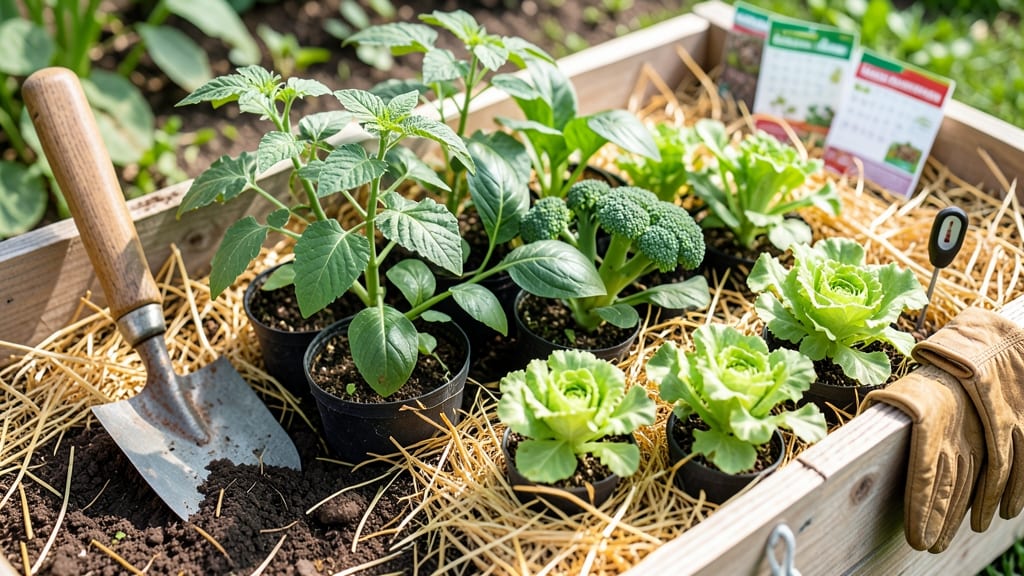
When to plant a garden in North Carolina can feel like solving a puzzle—one wrong move, and frost or heat ruins your hard work. Whether you're planting 🌱 cool-season greens in spring or warm-season tomatoes in summer, getting the dates right is the difference between a bountiful harvest and a sad, wilted disappointment.
North Carolina’s 7a-8b zones mean your neighbors in Raleigh might plant tomatoes two weeks earlier than someone in Asheville. The key? Knowing your last frost date—typically around March 15 in the Piedmont but later in the mountains—and planning your garden around it.
In this guide, I’ll break down the exact windows for spring and fall planting, so you can avoid common mistakes like planting peas too early or tomatoes too late. You’ll also learn how to adjust for your specific microclimate, whether you’re in the Coastal Plain or the Appalachian foothills.
Ready to grow a garden that thrives? Let’s dive into the month-by-month schedule that’ll have your veggies flourishing all season long.
NC spring planting deadlines by hardiness Zone: vegetable & flower timelines
North Carolina’s spring planting window varies dramatically by hardiness zone, with Zone 5b (mountains) facing earlier frosts than Zone 8a (coastal areas). The key to success?
Timing your cool-season crops (like spinach and broccoli) for planting 4-6 weeks before last frost, while waiting until soil warms to 60°F+ for warm-season crops (tomatoes, peppers).
For most of NC, the last average frost date falls between March 15 (mountains) and April 15 (coastal). However, microclimates—like sheltered valleys or urban heat islands—can shift these dates by 1-2 weeks. Always check local frost charts (like NC State Extension’s) for precision.
Here’s how to align your planting with NC’s zone-specific deadlines, including soil temperature thresholds and regional adjustments:
| Zone | Last Frost | Cool-Season Planting Window | Warm-Season Planting Window | Soil Temp Threshold |
|---|---|---|---|---|
| 5b (Mountains) | March 15 | Feb 15–March 15 | April 1–May 1 | 55°F+ |
| 6a (Piedmont) | March 30 | Feb 28–March 30 | April 15–May 1 | 60°F+ |
| 7a (Coastal) | April 15 | March 15–April 15 | May 1–May 15 | 65°F+ |
| 8a (Coastal) | April 1 | March 1–April 1 | April 15–May 1 | 70°F+ |
For cool-season crops like lettuce, peas, and spinach, start seeds indoors 6-8 weeks before last frost or direct-sow 4 weeks before. In Zone 5b, this means late February for indoor starts and early March for outdoor planting.
Use row covers to extend the season by 2-3 weeks in cooler zones.
Warm-season crops—such as tomatoes, peppers, and cucumbers—require soil temperatures above 60°F to germinate. In Zone 7a, wait until mid-April to plant seeds outdoors or early May for transplants.
Coastal zones (8a) can start 2-3 weeks earlier, but mountain zones (5b) may need to wait until late May.
Pro tip: Use a soil thermometer to confirm readiness. For example, tomatoes thrive when soil hits 70°F, while cucumbers prefer 65°F+. In Zone 6a, this often aligns with mid-April, but Piedmont heat islands may reach thresholds 1 week earlier.
Don’t overlook flower planting deadlines! Annuals like marigolds and zinnias can handle light frosts and often tolerate direct sowing 2-3 weeks before last frost.
Perennials like black-eyed Susans should be planted in early spring (March–April) for Zone 7a–8a, while Zone 5b gardeners should wait until late April.
Remember: Microclimates matter. A south-facing slope in Asheville (Zone 7a) may warm up 10 days earlier than a valley location. Adjust your timeline by observing nearby gardens or using NC State Extension’s interactive frost map.
🌱
Fall planting in NC: when to start cool-season crops for winter harvests
Fall is my favorite time to plant in North Carolina because it gives you a second chance at fresh vegetables before winter sets in. The key is timing—plant too late, and frost will nip your crops before they mature.
Aim to start cool-season crops 6-8 weeks before your first frost date, which varies across NC’s zones 5b-8a.
For Zone 7a (Piedmont), like Raleigh or Greensboro, your first frost typically arrives around November 15. That means you should plant spinach, kale, and lettuce by early September to ensure a harvest before winter.
In Zone 8a (Coastal), like Wilmington, you’ve got until mid-November for frost-free growing, giving you a slightly later window.
- 📅 Early August: Start Brussels sprouts and broccoli indoors or transplant seedlings.
- 📅 Mid-August: Plant kale, spinach, and lettuce directly in the garden.
- 📅 Late August: Sow radishes and carrots for quick harvests before frost.
- 📅 Early September: Transplant cabbage and cauliflower seedlings for fall growth.
- 📅 Mid-September: Plant garlic for next year’s harvest (yes, fall is the time!).
Don’t overlook herbs like cilantro and parsley, which thrive in cooler weather and add fresh flavor to winter meals.
These can be sown as late as October in Zone 8a, but watch for early frosts in Zone 5b (mountains), where you may need to start them indoors by mid-August.
Protect your fall crops with row covers or cold frames to extend the season. I’ve had great success with low tunnels in my Zone 7a garden, allowing me to harvest spinach and kale well into December. Just
Soil prep is critical in fall. Before planting, add compost or aged manure to replenish nutrients lost during summer. Test your soil’s pH—most cool-season crops prefer a slightly acidic to neutral range (6.0-7.0). If your soil is heavy clay, consider raising beds to improve drainage for root crops like carrots and beets.
Fall planting in NC rewards patience with sweet, frost-enhanced flavors and fewer pests. With the right timing and care, you’ll enjoy homegrown greens long after summer’s harvests fade. Start planning now—your winter table will thank you! 🥬🍂