
Plants
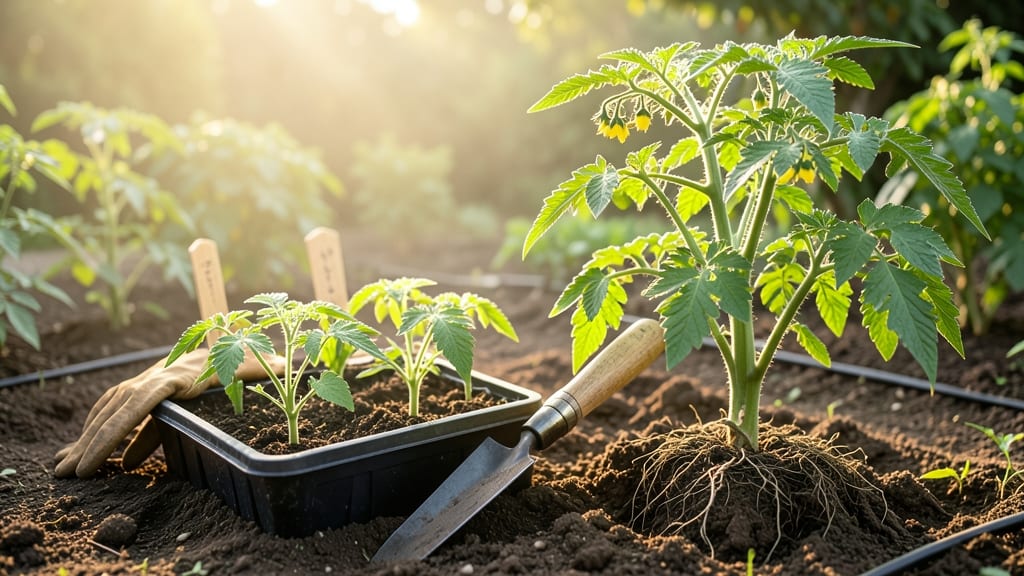
Timing when you should plant tomatoes in Iowa isn’t just about following a calendar—it’s about beating the unpredictable 5a-5b zone frosts that can turn your hard work into a sad, wilted memory.
One week too early, and a late frost zaps your seedlings; one week too late, and you’ll miss the sweet, sun-ripened tomatoes that make summer worth waiting for.
I’ve spent years growing 🍅 tomatoes in Iowa’s shifting climate, and the difference between a bountiful harvest and a barely-there yield often comes down to when you put those seeds in the ground.
Whether you’re starting indoors or direct-sowing, knowing the last frost dates—and how to adjust for your specific corner of the state—is the key to success.
In this guide, I’ll break down the exact planting windows for Iowa’s zones, from seed-starting dates in March to transplanting after the frost danger passes in May.
You’ll also learn how to handle Iowa’s infamous spring whiplash—like using row covers or choosing cold-tolerant varieties—so you’re never left guessing whether your garden is doomed or destined for greatness.
Ready to turn your tomato dreams into reality? Let’s dive into the frost-date cheat sheet that’ll have you harvesting juicy, vine-ripened 🍅 tomatoes all summer long—without the stress.
Iowa tomato planting calendar by frost dates and growing zones
Iowa’s last frost dates vary dramatically from the northern tier (Zone 4a) to the southern border (Zone 5b), making precise timing critical for tomato success.
In Zone 4a (northwest Iowa), the average last frost arrives around May 10, while Zone 5b (southwest Iowa) typically sees frost-free conditions by April 15. These differences mean gardeners in northern Iowa should plan for a 4-6 week later transplant window than their southern counterparts.
Tomatoes are warm-season plants that won’t tolerate frost and thrive best when soil temperatures reach at least 60°F. Waiting for these conditions ensures strong root development and higher yields.
For Iowa’s short growing season, starting seeds indoors 6-8 weeks before transplant is often the best strategy to maximize harvest time.
Here’s your Iowa tomato planting timeline broken down by USDA zones, including seed-starting dates, transplant windows, and backup options for late springs.
For Zone 4a gardeners, the June 10 backup date is crucial—planting determinate varieties (like 'Roma' or 'Celebrity') by this date still allows for a 60-70 day harvest before Iowa’s first frost (mid-October).
In Zone 5b, early planting (by March 30) gives you a full 6-month growing window, ideal for indeterminate varieties like 'Sungold' or 'Brandywine'.
Pro tip: Use a soil thermometer to confirm 60°F soil temps before transplanting—cold soil slows root growth and delays fruiting. If your soil is still chilly, black plastic mulch can warm it by 5-10°F in just days.
Direct sowing tomatoes is not recommended in Iowa because seedlings are too vulnerable to frost and slow to establish in cool soil. Instead, start seeds indoors under grow lights or in a sunny windowsill, then harden off seedlings for 7-10 days before transplanting.
This method gives you a 2-3 week head start over direct-sown plants.
If you’re short on time, buy transplant-ready seedlings from a local nursery in late April or early May, but avoid overly large (6"+) plants—they struggle to adjust to Iowa’s windy conditions and may bolt (flower too quickly) in the heat.
Remember: Tomatoes need warmth, not just frost-free conditions. In northern Iowa, even after the last frost, soil temperatures may still be too cool for optimal growth. Wait until nighttime temps stay above 50°F before planting.
🌱 For urban gardeners with limited space, container-grown tomatoes can be transplanted 1-2 weeks later than in-ground plants because pots warm up faster in spring. Just ensure your containers are at least 12 inches deep and have drainage holes
Iowa tomato planting calendar by frost dates and growing zones
Iowa’s USDA Zones 4a-5b create unique challenges for tomato growers, with last frost dates ranging from mid-April in southern Iowa to late April in northern areas. Tomatoes thrive in warm soil (60°F+) and can’t tolerate frost, so timing is critical.
Here’s how to align your planting with Iowa’s climate zones for maximum success.
Your growing season typically spans 165 frost-free days, leaving just enough time for early-maturing varieties to ripen before fall. Start by checking your local frost dates—the Iowa State University Extension provides annual updates.
For most of Iowa, this means transplanting seedlings after May 1, but northern zones (like Zone 4a) may need to wait until mid-May.
For Zone 4a gardeners, consider starting seeds 6-8 weeks before your last frost (around mid-March) to give seedlings enough time to mature. Use grow lights if natural light is limited, as indoor seedlings need 12-16 hours of light daily.
In warmer zones like 5b, you can start seeds as early as late February for an extended harvest.
If you’re direct sowing seeds (not recommended for Iowa’s short season), wait until after May 15 when soil temperatures consistently stay above 60°F. Use a soil thermometer to monitor—tomato seeds won’t germinate well in cold soil.
For faster germination, cover seed beds with black plastic mulch 1-2 weeks before planting to warm the soil.
Pro tip: Succession plant in late May or early June for a second harvest in fall. Choose determinate varieties (bush types) that mature faster, like 'Early Girl' or 'Patio', for container gardens or small spaces.
These varieties typically ripen in 60-70 days, fitting perfectly into Iowa’s 165-day growing window.
Always keep an eye on your local weather forecasts—Iowa’s spring can be unpredictable. If a late frost warning pops up, be ready to cover young plants with frost cloth or move containers indoors temporarily.
With the right timing and preparation, you’ll enjoy homegrown tomatoes from July through October! 🌱🍅