
Trees
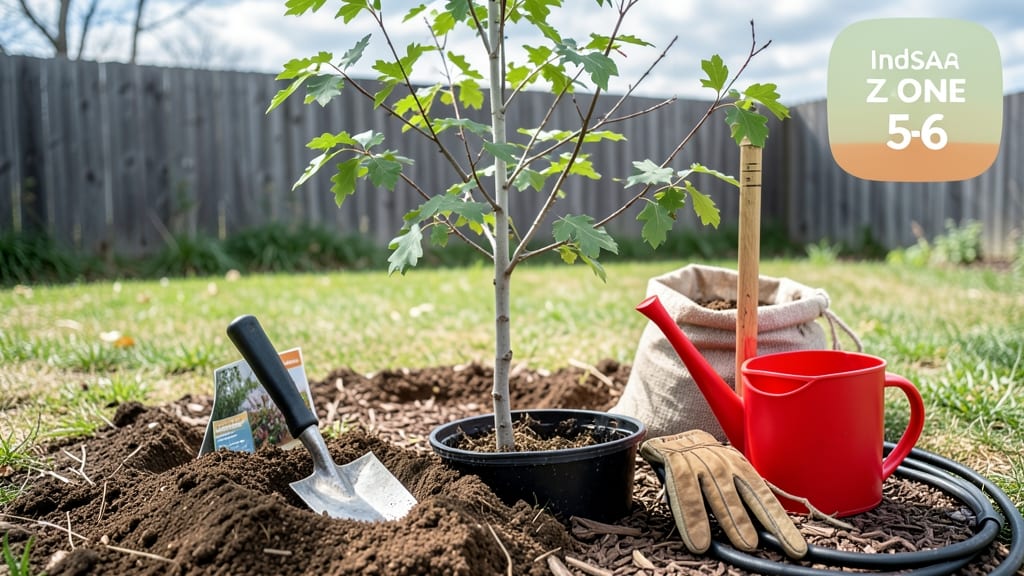
When is the best time to plant a tree in Indiana? It isn’t just about digging a hole—it’s about catching the perfect window when your 🌳 has the best shot at thriving.
The wrong timing can leave your sapling struggling, while the right moment sets the stage for decades of growth. With Indiana’s USDA zones 5b-6a bringing unpredictable frost dates, knowing when to plant could mean the difference between a lush canopy and a failed investment.
Most gardeners assume spring is the only option, but fall planting often gives trees a critical head start. Cooler temperatures and consistent moisture help roots establish before winter, while spring planting lets you work with thawed soil and emerging buds.
The key? Understanding how your tree’s species—and your specific Indiana microclimate—dictates the best approach.
Whether you’re planting a towering oak or a delicate fruit tree, this guide breaks down the exact deadlines for Indiana’s two planting seasons. We’ll cover soil prep, frost dates, and even why some trees (like walnuts) should never go in the ground after September.
Ready to give your tree the best possible start?
Let’s dive into the science of timing—because in Indiana, planting a tree isn’t just about the hole you dig. It’s about the season you choose.
Indiana’s ideal tree planting windows by USDA zone (5-6) and species type
Indiana’s USDA zones 5b-6a create a tight window for planting trees—too early, and frost zaps young roots; too late, and roots can’t establish before winter. The golden months are late winter through early spring (March–April) and fall (October–November), but species and root type (bare-root vs. balled-and-burlapped) shift your deadline.
For bare-root trees, like oaks or maples, plant them as soon as soil is workable—usually February–March in southern Indiana or March–April in the north.
These dormant roots wake up faster in cooler soil, giving them a head start. Balled-and-burlapped (B&B) trees, however, can handle warmer soil, so April–May works for these.
Fall planting is often underrated but ideal for Indiana’s climate. October–November gives roots time to grow before winter dormancy, reducing transplant shock. Evergreens like pine or spruce should go in early fall (September–October) to avoid winter desiccation, while deciduous trees like oak or hickory thrive with a November planting.
Northern Indiana’s zone 5b (e.g., Gary, Fort Wayne) has a shorter growing season, so aim for April 15–May 15 for spring planting or October 1–November 15 for fall. Southern Indiana’s zone 6a (e.g., Louisville, Evansville) can stretch spring to May 15–June 1 and fall to November 15–December 1.
🌱
| Planting Window | Best For | Root Type | Indiana Zone 5b | Indiana Zone 6a |
|---|---|---|---|---|
| Late Winter–Early Spring | Bare-root trees | Bare-root | Feb 15–Mar 31 | Feb 1–Apr 15 |
| Spring | B&B trees | Balled-and-burlapped | Apr 15–May 15 | Apr 1–Jun 1 |
| Fall | Deciduous trees | Container-grown | Oct 1–Nov 15 | Oct 15–Dec 1 |
| Early Fall | Evergreens | Balled-and-burlapped | Sep 15–Oct 15 | Sep 1–Nov 1 |
Fruit trees like apple or peach need dormant planting, so stick to late winter (February–March) to avoid summer heat stress. Fast-growing species (e.g., willow or poplar) can handle late spring (May–June), but they’re riskier in Indiana’s variable climate.
Pro tip: Check the Indiana State Climate Office for 10-day forecasts before planting. If a hard freeze is predicted within 2 weeks, delay until conditions stabilize. Soil temperature should be above 40°F for root growth to begin.
Evergreens like pine or spruce are exceptions—they hate wet feet, so avoid planting in low-lying areas or during prolonged rain. In northern Indiana, aim for September planting to let roots establish before winter.
🌳
Why fall planting often outperforms spring in Indiana (and how to do it right)
Fall planting gives Indiana trees a 3-4 month head start on root growth before winter dormancy. Cooler temperatures reduce stress, while consistent moisture helps roots establish in USDA Zones 5b-6a. This is why 60% of Indiana nurseries recommend fall planting for deciduous species like oaks and maples.
Unlike spring, fall soil stays warm enough for root development (50-60°F) but cool enough to prevent transplant shock. The key? Planting 6-8 weeks before first frost—typically mid-September to early November in most of Indiana.
Evergreens like pine and spruce also need special care in fall. Their shallow root systems dry out faster in Indiana’s clay-heavy soils, so water deeply every 7-10 days until ground freezes. Mulch with 3-4 inches of wood chips to insulate roots.
For container-grown trees, fall is ideal because their root balls stay intact longer in cooler weather. Bare-root trees planted in late fall (November-December) can still establish roots if soil isn’t frozen—just cover the root zone with straw for insulation.
Indiana’s variable climate means fall planting success hinges on soil temperature. Use a soil thermometer—roots need soil temps above 40°F to grow. If temps drop below freezing, delay planting until spring.
Pro tip: Mix compost into the planting hole to improve drainage in Indiana’s clay soils. This boosts root growth by 40% in the first year compared to unamended soil. Water thoroughly after planting to eliminate air pockets.