
Trees
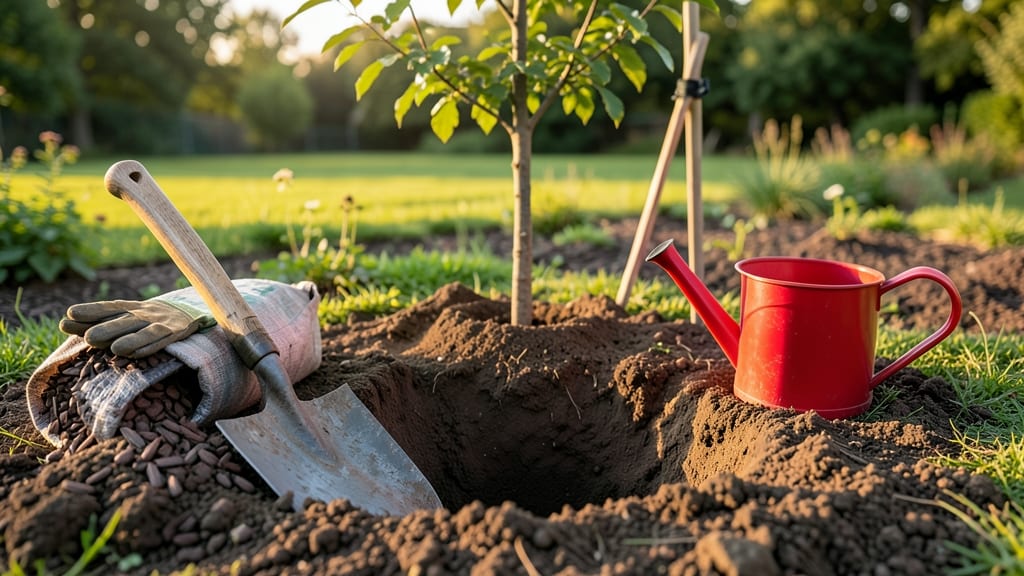
When is the best time to plant the trees in Illinois? If you get the timing wrong, you could end up with a struggling sapling instead of a thriving shade provider. With USDA zones 5a-6b bringing unpredictable frost dates, timing isn't just important—it's the foundation of long-term success.
Most gardeners assume spring is the only window, but fall planting actually gives trees a head start on root growth before winter dormancy. I'll break down the exact planting windows for your specific zone, including when to avoid common mistakes that derail even the best-intentioned tree projects.
Whether you're planting a towering oak or a delicate Japanese maple, understanding these seasonal cues helps your tree establish strong roots before Illinois' first frost. Let's dive into the science behind the best planting times and how to prepare your soil for maximum success.
You'll discover how to read your local microclimate, choose the right species for your zone, and implement proven techniques that keep your tree healthy for decades. The key to a lasting landscape starts with getting the timing right—and this is where you'll find all the answers you need.
Illinois planting zones: when to plant trees by hardiness Zone (5a–6b)
Illinois spans USDA hardiness zones 5a through 6b, meaning frost dates and soil temperatures vary dramatically from Northern Illinois (Chicago area, 5a–5b) to Southern Illinois (St. Louis area, 6a–6b).
Planting too early or late can stunt root growth, leaving your tree vulnerable to freeze-thaw cycles or summer drought. Let’s break down the ideal planting windows for each zone to ensure your tree thrives.
In Zone 5a (Northern Illinois), the last frost typically hits around April 15–May 1, while Zone 6b (Southern Illinois) sees frost-free conditions by March 15–April 1.
For fall planting, aim to finish by October 15 in the north and November 1 in the south—before the ground freezes. Soil temperatures below 40°F (4°C) can shock roots, so always check before planting.
Bare-root trees (like oaks or maples) need moist but not soggy soil, while container-grown trees (e.g., fruit trees) can handle warmer spring soil. In Zone 5a, wait until soil warms to 50°F (10°C)—usually mid-April. In Zone 6b, you can plant as early as late February for container-grown varieties.
Here’s how Illinois’ zones compare for spring vs. fall planting:
| Zone | Spring Window | Fall Window | Soil Temp Threshold | Key Consideration |
|---|---|---|---|---|
| 5a (Northern IL) | Mid-April to early May | Mid-Sept to Oct 15 | 50°F (10°C) | Late frosts; protect young roots |
| 5b (Central IL) | Late March to April | Late Sept to Oct 30 | 45°F (7°C) | Moderate frost risk; mulch heavily |
| 6a (Southern IL) | Late Feb to March | Oct 15 to Nov 1 | 40°F (4°C) | Warmer soil; watch for summer drought |
| 6b (Far Southern IL) | Early Feb to March | Nov 1 to Nov 15 | 38°F (3°C) | Longer growing season; prioritize watering |
For container-grown trees, you have more flexibility—plant anytime soil isn’t frozen. But bare-root trees (common in nurseries) must be planted while dormant to avoid transplant shock. In Zone 5a, this means late winter to early spring or fall before leaf drop.
Pro tip: Use a soil thermometer to confirm temperatures—40°F (4°C) is the magic number for root growth. If soil is colder, wait or plant in a protected microclimate (e.g., near a south-facing wall).
Mulch with 3–4 inches of wood chips to insulate roots in Zone 5a during early spring planting.
Southern Illinois gardeners (Zones 6a–6b) can push the envelope slightly—planting container-grown fruit trees in late winter (February) to give roots a head start. However, avoid planting after October 15 anywhere in Illinois, as roots won’t harden off before winter.
Use root stimulator at planting to boost establishment in Zone 5a’s shorter growing season.
Microclimates matter! Urban areas like Chicago (Zone 5b) can be 2–3°F warmer than rural spots, delaying frost. Check your local cooperative extension service for precise frost dates. For example, Decatur (Zone 6a) may have 2 weeks earlier planting windows than Rockford (Zone 5a).
Remember: Spring planting gives trees 6–8 months to establish roots before winter, while fall planting allows roots to grow in cool soil without competing with summer heat.
Choose based on your zone—and your tree’s species-specific needs (e.g., oaks need 2 years to establish, while fruit trees can handle 1 year).
Best tree species for Illinois planting: fast-growing vs. slow-maturing options
Choosing the right tree for Illinois means balancing growth speed with climate resilience. Fast-growing species like Silver Maple or Eastern Redbud establish quickly but may need more maintenance, while slower growers like White Oak or Northern Pine offer longevity and durability.
Your zone (5a–6b) dictates which species thrive best—Northern Illinois favors cold-hardy options, while Southern Illinois benefits from heat-tolerant varieties.
For urban landscapes, prioritize trees with compact growth like Japanese Maple or Dwarf Fruit Trees. These mature smaller but still provide shade and beauty.
If you’re restoring a wildlife habitat, native species such as Black Walnut or Sugar Maple support local ecosystems while adapting to Illinois’ variable weather. Always check your USDA zone to confirm suitability.
Tree Species Ratings for Illinois
Timing your planting aligns with a tree’s natural growth cycle. Fast growers like Silver Maple benefit from early spring planting (March–April) to take full advantage of the growing season. Slow growers, such as White Oak, thrive when planted in fall (October–November), allowing roots to establish before winter.
Always plant bare-root trees in early spring or fall, while container-grown trees offer flexibility for year-round planting.
Consider your landscape goals when selecting species. For shade trees, opt for Sugar Maple or Honey Locust, which grow tall and provide ample coverage. If you’re looking for ornamental value, Japanese Maple or Crape Myrtle deliver stunning foliage and flowers.
For fruit production, Apple or Pear trees are excellent choices but require more care during their early years.
Soil conditions play a critical role in tree health. Most Illinois trees prefer well-draining soil with a pH between 6.0–7.5. Amend heavy clay soils with compost or sand to improve aeration.
Mulch around the base of the tree to retain moisture and regulate soil temperature. Avoid over-mulching, as this can suffocate roots and attract pests.
Once planted, monitor your tree’s progress closely. Young trees need consistent watering—about 15–20 gallons per week—especially during Illinois’ hot summers. Fertilize lightly in early spring with a balanced 10-10-10 formula to support root development.
Prune dead or damaged branches in late winter to encourage healthy growth and maintain the tree’s shape.