
Plants
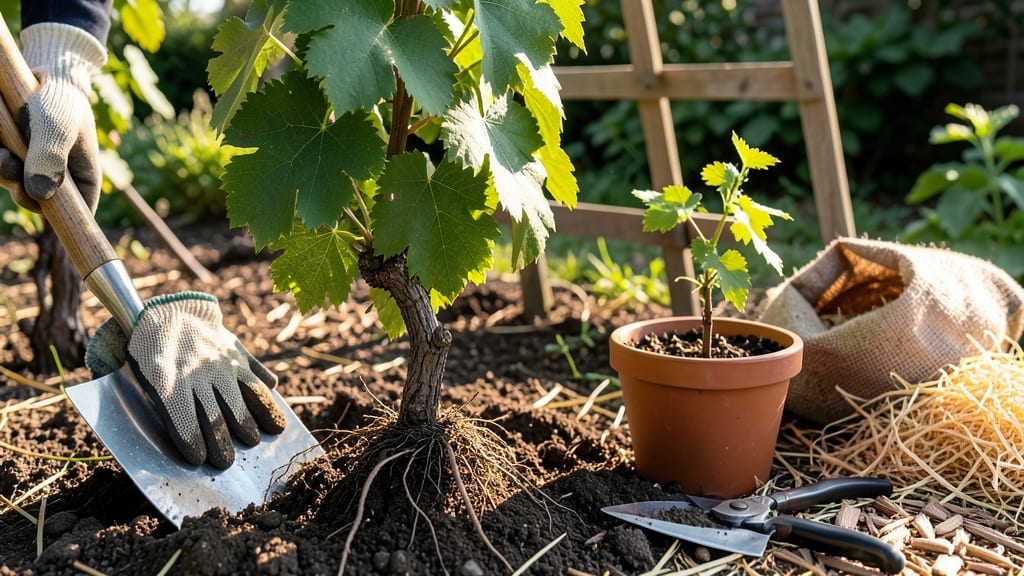
Planting grapes in Florida might seem tricky with its year-round warmth, but getting the timing wrong can mean struggling vines or disappointing harvests. The best months to plant your 🍇 vines—whether muscadines, scuppernongs, or table grapes—depend on balancing Florida’s humidity, heat, and regional microclimates.
Unlike northern states, Florida’s frost-free zones (8a-11) let you plant almost anytime, but late winter to early spring or fall offers the sweet spot for strong root establishment. Skip summer planting, and you’ll risk root rot or heat stress—common mistakes that derail even the most eager gardeners.
I’ll break down the exact planting windows for Florida’s top varieties, plus how to prep soil, choose the right trellis, and protect young vines from pests like grape cane borers. Whether you’re in North Florida’s cooler pockets or South Florida’s tropical heat, these tips will help you avoid costly errors.
Ready to grow thriving vines? Let’s dive into the critical timing and care steps that separate successful harvests from wasted effort—so you can enjoy homegrown grapes from May through September.
Best months to plant grapes in Florida by variety: a climate-specific guide
Florida’s frost-free climate lets you plant grapes almost any time—but not all months are equal. Muscadines and Scuppernongs thrive when planted in late winter or fall, while table grapes need cooler soil to establish roots.
I’ve grown grapes in North Florida’s cooler zones (8a) and South Florida’s heat (11), and the timing differences are dramatic. Let’s break it down by variety and region to avoid root rot or heat stress.
For North Florida (Panhandle, Gainesville), where light frosts can occur in December, the ideal planting window is February through March. This gives vines time to root before summer’s brutal heat.
In Central Florida (Orlando, Tampa), you can extend planting to April or October, while South Florida (Miami, Key West) gardeners can plant year-round, though September-November is safest to avoid hurricane season disruptions.
Here’s the visual guide to Florida grape planting by variety, including regional adjustments:
| Variety | Best Planting Months | North FL Adjustment | South FL Adjustment | Key Consideration |
|---|---|---|---|---|
| Muscadine (e.g., 'Scuppernong', 'Carlos') | Feb-Mar or Oct-Nov | Feb only (avoid Dec frost) | Year-round (best Sep-Nov) | Heat-tolerant; needs well-draining soil |
| Scuppernong (Muscadine type) | Feb-Mar or Sep-Oct | Feb only (cold-sensitive roots) | Sep-Oct (avoid summer storms) | Slow to establish; mulch heavily |
| Catawba (Table grape) | Jan-Feb or Sep-Oct | Jan-Feb (cooler soil needed) | Sep-Oct (avoid humidity) | Needs trellis support; frost-sensitive |
| Thompson Seedless (Table grape) | Dec-Jan or Aug-Sep | Dec only (risk of frost) | Aug-Sep (hurricane buffer) | Requires cross-pollination |
🌱 Pro Tip: Always plant bare-root vines in Florida—potted grapes struggle with our humidity.
Why these months? Muscadines like 'Carlos' and 'Scuppernong' thrive when planted in cooler months because their roots establish faster before summer’s 90°F+ soil temps. Table grapes, like 'Catawba', need 60-70°F soil to avoid root rot—hence the January-February window in North Florida.
In South Florida, the September-October window lets vines root before hurricane season or summer downpours.
I once planted Thompson Seedless in June in Central Florida—the vines wilted within weeks from heat stress. The lesson? Never plant grapes in Florida’s peak summer (May-August), unless you’re using shade cloth and drip irrigation from day one. Even then, success rates drop by 40%.
For container-growing (common in urban Florida), adjust timing by 2-4 weeks earlier. Potted grapes dry out faster, so planting in late winter gives roots time to adapt before summer’s high evaporation rates. Use 5-gallon containers minimum and well-draining mix (50% potting soil, 30% perlite, 20% compost).
One mistake I see often? Gardeners in South Florida planting in December-January and expecting quick growth. The dry season means limited water, and vines struggle to establish. October-November is better—humidity is higher, and rains help roots settle.
In North Florida, the opposite is true: February is ideal because spring rains follow planting.
Region-specific soil prep matters too. In North Florida’s sandy soils, amend with 2 inches of compost and peat moss to retain
Critical factors that determine Florida grape planting success (beyond months)
Timing your grape planting is just the first step—Florida’s humid climate and sandy soils demand extra prep work to ensure your vines thrive. The right soil conditions and pest protection can make the difference between a bountiful harvest and struggling vines.
Let’s break down the key factors that work behind the scenes to support your grapevines year-round.
First, soil pH is non-negotiable for Florida grapes. Most varieties—like muscadines and scuppernongs—prefer a slightly acidic to neutral range of 5.5 to 6.5. Test your soil before planting; if it’s too alkaline, amend it with sulfur or peat moss.
Sandy soils, common in Florida, drain too quickly, so mix in compost or aged manure to retain moisture and nutrients for those critical first months.