
Plants
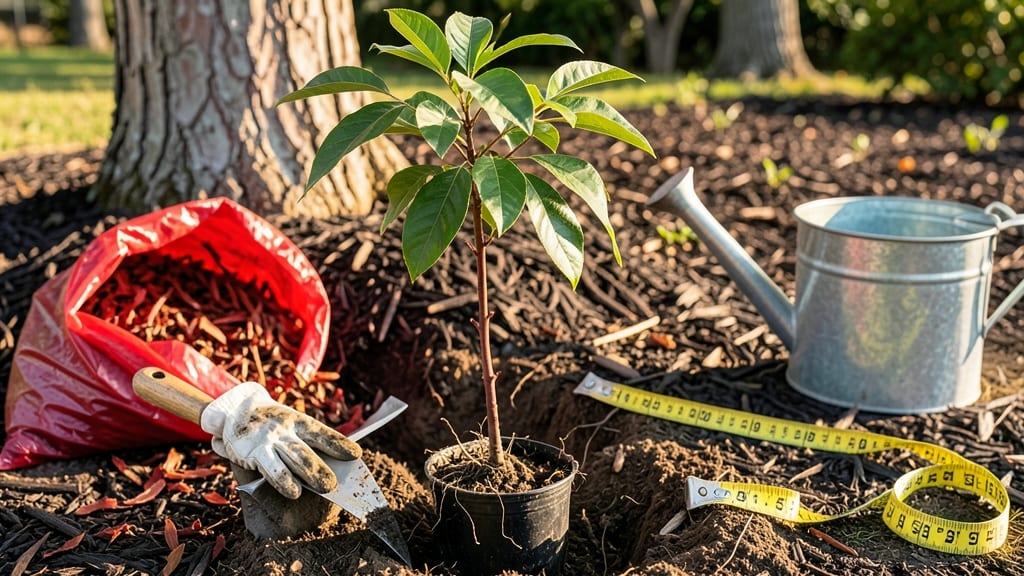
Timing your crape myrtle planting in Zone 9 isn't just about avoiding frost—it's about beating the summer heat before it even arrives. Plant too early, and your 🌸 crape myrtle might struggle with nutrient burn from warm soil.
Wait too long, and you risk stunted growth before the blooms even appear.
Zone 9 gardeners know the drill: the 4-6 week window from late winter to early spring is your golden opportunity. This is when soil temperatures hit the sweet spot—warm enough for roots to establish but cool enough to avoid heat shock.
Think of it as giving your plant a head start before the 100°F+ temperatures take over.
Whether you're planting bare-root saplings or container-grown beauties, the key is preparation. We're talking soil prep, heat acclimation, and knowing when to hold back on watering. Get this right, and you'll be rewarded with vibrant blooms that last all summer long.
Ready to set your crape myrtle up for success? Let's break down the exact steps—from soil temperature checks to post-planting care—to ensure your Zone 9 planting thrives when it counts most. Your future shade tree starts with the right timing.
Optimal crape myrtle planting months in Zone 9: balancing heat and rainfall
Zone 9 gardeners know timing is everything—especially for crape myrtles, which thrive in heat but despise soggy roots. The ideal planting window spans late February through early April, when soil temperatures hover between 60°F and 70°F.
This range kickstarts root growth without overwhelming tender saplings with Zone 9’s 100°F+ summer heat.
Planting too early (January) risks frost damage to emerging roots, while waiting until May delays establishment, leaving your tree vulnerable to heat stress before summer’s peak. Aim for March 1st as your sweet spot—when daytime highs hit 75°F+ consistently and rainfall tapers off slightly.
Here’s why this window works: Crape myrtles need 4-6 weeks of warm soil to develop a robust root system before summer’s intensity arrives. In Zone 9, February’s cooler nights (50°F–60°F) slow evaporation, while March’s increasing sunlight fuels photosynthesis without scorching new leaves.
🌱 Pro Tip: Check soil temperature with a soil thermometer—plant when it’s above 60°F for 3+ days. If you miss this window, container planting extends flexibility, but ground-planted trees struggle to catch up by summer.
🌿 Crape Myrtle Planting Timeline for Zone 9
| Month | Soil Temp (°F) | Rainfall (in) | Risk Level | Best Action |
|---|---|---|---|---|
| January | 50–60°F | 3.5–4.5" | ⚠️ High (frost) | Wait |
| February | 55–65°F | 3.0–4.0" | ✅ Low | Prepare soil |
| March | 65–75°F | 2.5–3.5" | ✅ Ideal | Plant! |
| April | 70–80°F | 1.5–2.5" | ⚠️ Moderate (drought) | Water deeply |
| May | 75–90°F | 0.5–1.5" | ❌ High (heat shock) | Avoid planting |
💡 Key: ⚠️ = Risky, ✅ = Optimal, ❌ = Avoid
Zone 9’s mild winters (rarely below 30°F) make late fall planting tempting, but November–December risks root rot from persistent moisture and winter dieback if temperatures dip unexpectedly.
If you must plant outside the window, container-grown crape myrtles adapt better to heat spikes, but still need shade cloth protection during the first 2 weeks.
Another critical factor: rainfall patterns. Zone 9’s winter rains (3–4 inches/month) can waterlog soil, while spring droughts (April–May) stress young roots. Amend clay-heavy soils with 50% sand/50% peat moss to improve drainage, and mulch heavily (3–4 inches) to retain moisture without suffocating roots.
🌿 Real-World Example: In San Diego (Zone 9b), nurseries report 80% survival rates for March-planted crape myrtles vs. 40% for May plantings. The difference? Root establishment—March saplings hit 12-inch roots by summer, while late plantings struggle to exceed 6 inches.
For bare-root crape myrtles, soak roots for 2–4 hours before planting to rehydrate, then plant 1–2 inches deeper than the nursery pot to encourage stability. In containers, use fast-draining mix (cactus/succulent blend) and elevate pots to prevent root rot from standing water.
🌸 Final Reminder: Crape myrtles bloom on new wood, so early spring planting ensures robust growth before summer’s 100°F+ heat. Skip the “wait for perfect conditions” trap—Zone 9’s window is narrow, and March is your best bet for vibrant blooms by July.
Optimal crape myrtle planting months in Zone 9: balancing heat and rainfall
Zone 9’s mild winters and intense summers create a unique challenge for crape myrtle planting. Unlike colder zones, you’re not just racing against frost—you’re preparing for 100°F+ temperatures that arrive faster than you think.
The ideal planting window is late winter to early spring, specifically February through March, when soil temperatures hover between 60-70°F.
This 4-6 week window gives roots time to establish before the heat ramps up. Planting in April or later risks heat shock, while January planting exposes tender roots to erratic temperature swings.
Think of it as a race against the clock—your goal is to get roots anchored before the summer drought sets in.
Here’s the science: Crape myrtles thrive when soil stays consistently warm but not scorching. In Zone 9, March soil temps average 65°F, perfect for root growth without overwhelming the plant. By April 15th, daytime highs often exceed 85°F, making planting stressful for young saplings.
| Month | Soil Temp (°F) | Rainfall (in) | Planting Risk |
|---|---|---|---|
| January | 55-65°F | 2.5-3.5 | High (temperature swings) |
| February | 60-70°F | 2-3 | Low (ideal window begins) |
| March | 65-75°F | 1.5-2.5 | Optimal (best success) |
| April | 70-80°F | 0.5-1.5 | Moderate (heat stress risk) |
🌱 Best Months: February-March
Zone 9’s unpredictable rainfall also plays a role. February and March bring 2-3 inches of rain, keeping soil moist but not waterlogged—a perfect balance for young roots. After April, rainfall drops to 0.5-1.5 inches, forcing you to supplement watering if you plant late.
Pro tip: Use a soil thermometer to confirm temps before planting. Aim for 60°F+ consistently for 5-7 days—this signals roots can safely establish. In Zone 9, this typically happens by mid-February in most microclimates.
Remember: Fall planting is a no-go in Zone 9. Unlike colder zones, your mild winters don’t provide the dormancy crape myrtles need. Planting in October-November risks winter dieback from unpredictable cold snaps below 40°F, even in Zone 9.