
Trees
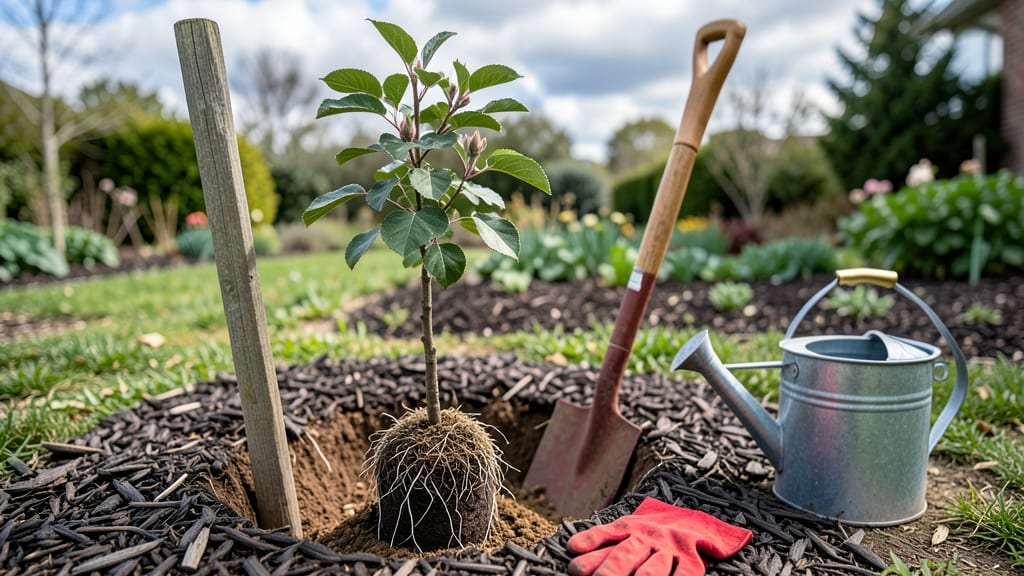
Timing your fruit tree planting in Washington wrong could mean the difference between a thriving orchard and a sad pile of dead saplings. Whether you're dreaming of crisp apples from the Cascades or sweet cherries from the Yakima Valley, getting the planting window right is everything.
The Evergreen State's diverse climate—from Zone 4 in the mountains to Zone 9 near the coast—means no single answer fits all. But here's the good news: with the right chill-hour knowledge and frost-free deadlines, you can plant with confidence.
I'll break down exactly when to dig in your shovel for the best results.
Imagine sinking your hands into warm, workable soil while your bare-root tree waits patiently for its new home. That perfect moment arrives in spring, but the exact date depends on your region's last frost and the specific fruit variety.
Let's explore how to match your tree to Washington's microclimates for maximum success.
From the rain-soaked Puget Sound to the sun-drenched Columbia Basin, each area has its own planting secrets. You'll discover which varieties thrive best where, how to protect young trees from late frosts, and why container planting might be your urban orchard's best friend.
Let's get those roots in the ground at the right time!
Washington’s chill-hour zones: how cold requirements dictate planting months
Washington’s diverse climate—from the cool, wet Pacific Northwest to the dry, sun-drenched Columbia Basin—means fruit trees need specific chill-hour requirements to thrive. These chill hours (accumulated temps between 32°F and 45°F) trigger flowering and fruiting. Planting outside these zones can leave your trees barren or stressed.
For example, apples need 500–1,000 chill hours, while peaches often require 300–500 hours. Understanding your zone ensures your tree breaks dormancy at the right time, setting the stage for a fruitful harvest.
Washington spans USDA Zones 4 through 9, but chill-hour zones often differ. The Cascades and Puget Sound (Zones 7–8) may have 800–1,200 chill hours, while the Columbia Basin and Yakima Valley (Zones 6–7) typically see 500–800 hours.
Eastern Washington’s Palouse region (Zone 5–6) can drop below 400 chill hours, limiting cold-hardy varieties like ‘Enterprise’ apples or ‘Montmorency’ cherries. Always check WA State University Extension’s chill-hour maps to avoid mismatches.
Choosing the right fruit tree variety for your chill zone is critical. A ‘Honeycrisp’ apple (900+ chill hours) planted in the dry, low-chill Yakima Valley might fail to bloom, while a ‘Lapins’ pear (300–500 chill hours) could thrive.
Even within regions, microclimates matter: a south-facing slope in Zone 7 may accumulate more chill hours than a valley floor. Use local nurseries’ recommendations or USDA’s Plant Hardiness Zone Map to narrow your options.
Timing your planting window also depends on chill hours. In high-chill zones (800+ hours), like the San Juan Islands, plant bare-root trees in late winter (February–March) to let roots establish before spring growth.
In moderate-chill zones (500–800 hours), such as Spokane or Wenatchee, aim for early spring (March–April) when soil thaws but frost risk remains low.
For low-chill varieties (300–500 hours) in Zone 6–7, like ‘Red Haven’ peaches, container planting in late winter gives you flexibility to move trees to warmer microclimates if needed.
Bare-root trees—common in Washington nurseries—should be planted while dormant (November–March), but container-grown trees offer more flexibility. These can be planted year-round in mild winters (Zones 7–9) or early spring in colder zones. The key is ensuring the tree has 4–6 weeks to establish roots before summer heat.
For example, a ‘Rainier’ cherry (600–800 chill hours) planted in April in Pullman will have time to root before the July heatwave.
🌱 Chill-Hour & Planting Guide for Washington Fruit Trees
| Fruit Type | Chill-Hour Range | Best Varieties | Optimal Planting Month | Zone Fit |
|---|---|---|---|---|
| Apples | 500–1,000+ | ‘Honeycrisp’, ‘Fuji’, ‘Enterprise’ | Feb–April | 5–8 |
| Cherries | 400–900 | ‘Rainier’, ‘Montmorency’, ‘Stella’ | March–April | 6–8 |
| Pears | 300–600 | ‘Bartlett’, ‘Seckel’, ‘Lapins’ | Feb–March | 5–7 |
| Peaches/Nectarines | 300–500 | ‘Red Haven’, ‘Suncrest’, ‘Fantasia’ | March–April | 6–8 |
Frost-free deadlines by region: when to plant in western vs. eastern Washington
Washington’s diverse climate means your last frost date could vary by weeks depending on where you live.
In the Puget Sound, mild winters often push planting windows into March or early April, while the Columbia Basin and Palouse may wait until late April or May to avoid late frosts. These differences aren’t just about timing—they determine which fruit varieties will thrive in your yard.
For example, ‘Honeycrisp’ apples need 600-800 chill hours, but if you plant too early in Zone 7 (like Yakima), you risk frost damage to young leaves. Meanwhile, ‘Rainier’ cherries, which prefer 400-500 chill hours, can handle slightly later plantings in Zone 8 coastal areas.
Understanding your region’s frost-free window is key to avoiding common mistakes like stunted growth or root shock.
🌧️ Pro Tip: Use the WA State University Extension’s frost map to pinpoint your exact last-frost date. For most of Western WA, aim to plant 2-4 weeks after the average last frost—typically mid-April to early May.
In Eastern WA, where frosts linger longer, wait until late April or early May to give young trees a fighting chance.
⚠️ Late Frost Warning
Eastern Washington’s inland valleys (like the Columbia Basin) can experience late spring frosts even after soil warms. If you’re planting bare-root trees in April, have frost cloth ready to protect new growth. Coastal areas (Zone 8-9) rarely face this issue, but mountain foothills (Zone 5-6) are high-risk zones.
🌡️ Action Step: Check the National Weather Service’s 10-day forecast before planting. If 32°F+ is predicted, delay by 1-2 weeks.
Urban gardeners in Seattle or Spokane might also face microclimate challenges. A backyard near a large tree or building can stay 5°F colder than the surrounding area, delaying planting by 10-14 days.
Always scout your planting spot for 2-3 weeks before digging—look for bud swell on nearby fruit trees as a natural indicator.
Container planting offers a flexible workaround for late frosts. By delaying container planting until mid-May, you avoid early-season risks while still giving trees time to establish roots before summer.
Just ensure your pots have drainage holes and use lightweight potting mix to prevent root rot in Washington’s wet springs.
Finally, don’t overlook tree variety maturity. Dwarf varieties (like ‘Columnar apples) establish faster and tolerate later plantings better than standard-sized trees.
If you’re in a short-season zone (Zone 4-5), prioritize early-bearing varieties like ‘Gala’ apples or ‘Montmorency’ cherries—they reward patience with harvests 2-3 years sooner.
🌳 Remember: The goal isn’t just to plant on time—it’s to plant for your tree’s future. A well-timed sapling today could be bearing 50+ pounds of fruit in just 5 years.
Start with your region’s frost data, adjust for microclimates, and give your trees the best possible start.