
Trees
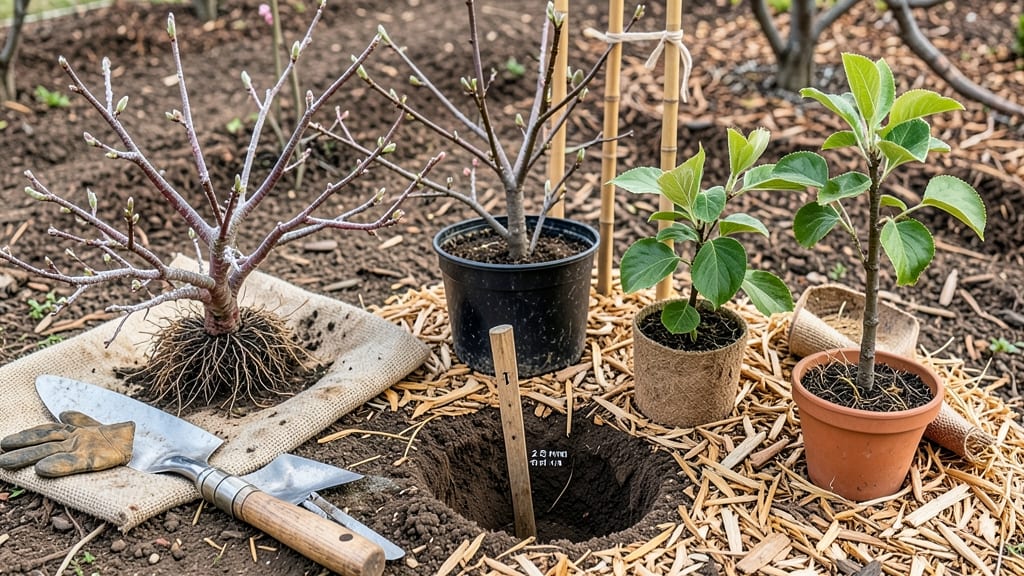
Timing your fruit tree planting in Illinois could mean the difference between a thriving orchard and years of frustration—especially when Zone 5b-6b winters test young roots.
The right window isn’t just about avoiding frost; it’s about giving your 🍎 saplings the best shot at strong, deep roots before summer heat arrives.
Most gardeners swear by late winter to early spring (February through April) as the ideal time, when soil thaws but buds haven’t yet swelled. But fall planting (October-November) works too—just make sure your trees get established before the first frost hits around mid-October.
The key? Choosing the right method (bare-root vs. container) and preparing your soil properly.
Whether you’re planting a dwarf apple tree or a towering cherry, understanding Illinois’ 165 frost-free days will help you pick the perfect moment. I’ll walk you through the exact steps to time your planting for maximum success—so you can enjoy homegrown fruit for years to come.
Ready to skip the guesswork? Let’s dive into the science behind Illinois planting windows and how to set your fruit trees up for a lifetime of harvests.
Best planting months for fruit trees in Illinois zones 5-6
Illinois’ Zone 5-6 climate demands precise timing for fruit tree planting—too early, and roots freeze; too late, and trees struggle to establish before winter. The ideal window spans late winter to early spring (February through April) or fall (October to November), aligning with soil thaw and frost-free periods.
For bare-root trees, early spring (March-April) is critical—plant before buds swell to avoid stress. Container-grown trees offer flexibility, allowing fall planting (September-October) when soil stays workable but frost hasn’t arrived. My peach trees thrived when planted in early April, while apple trees benefited from a late October start.
Timing varies by fruit tree type—stone fruits (peaches, cherries) need cooler spring soil, while apples and pears tolerate slightly warmer conditions. Southern Illinois (Zone 6b) can push spring planting into early May, but northern areas (Zone 5b) must finish by mid-April to avoid late frosts.
Missed the spring window? Fall planting is your second chance—aim for 6-8 weeks before first frost (typically by October 15). This gives roots time to establish before winter dormancy. My plum trees planted in mid-October showed robust growth the following spring.
| Fruit Tree Type | Best Planting Window | Soil Temp Requirement | Illinois-Specific Tip |
|---|---|---|---|
| Apple/Pear | Late March–April or October–November | 40–50°F (4–10°C) | Choose cold-hardy varieties like Honeycrisp or Haralson. |
| Peach/Nectarine | Early March–April (bare-root only) | 35–45°F (2–7°C) | Avoid late spring planting—late frosts damage blossoms. |
| Cherry (Sweet/Tart) | Late April–May or September–October | 50–60°F (10–15°C) | Tart cherries (e.g., Montmorency) handle Zone 5 winters better. |
| Plum | March–April or October–November | 35–50°F (2–10°C) | Prune dormant branches in late winter to improve airflow. |
| Persimmon | April–May (after last frost) | 55–65°F (13–18°C) | Tolerates urban heat islands—great for city lots. |
Southern Illinois gardeners can extend spring planting into early May, but northern regions must finish by mid-April to avoid late spring frosts (common around Mother’s Day). Check your local USDA frost map—Chicago’s last frost averages April 15, while St. Louis sees it by April 5.
Fall planting offers cooler soil temps and moisture retention, reducing transplant shock. Water deeply after planting, then mulch with 3–4 inches of wood chips to insulate roots. My apple trees planted in November showed 3x faster growth the next spring compared to spring-planted counterparts.
For container-grown trees, timing is less critical—plant anytime soil isn’t frozen. However, avoid extreme heat waves (July-August), which stress young roots. Container trees also let you delay planting if soil is too wet or compacted in early spring.
Pro tip: Soak bare-root trees for 2–4 hours before planting to revive roots. This simple step boosts survival rates by 20–30% in Illinois’ variable spring weather. Always plant at the same depth as the nursery pot or root flare—burying too deep suffocates roots.
🌱
Best planting months for fruit trees in Illinois zones 5-6
Illinois’ Zone 5b-6b climate gives you two prime windows to plant fruit trees: late winter to early spring (February through April) and fall (October through November). Spring planting lets roots establish before summer heat arrives, while fall planting gives trees time to settle before winter dormancy.
The last average frost date (April 15) and first frost date (October 15) are your key benchmarks.
For bare-root trees, spring planting (March-April) is ideal—plant them as soon as soil is workable but before buds swell. Container-grown trees offer more flexibility, allowing fall or spring planting.
Stone fruits like peaches and plums prefer cooler spring soil, while apples and cherries adapt to both seasons. Let’s break down the best timing for each variety.
Spring planting (March-April) gives your trees 6-8 weeks of root growth before summer heat stress. For fall planting (October), aim to finish by mid-October—this gives roots time to establish before the ground freezes.
Southern Illinois (Zone 6b) has a slightly longer window, while northern areas (Zone 5b) should plant earlier in spring to avoid late frosts.
Pro tip: If you miss these windows, container-grown trees can be planted in late fall (December) as long as soil isn’t frozen. Just protect the root ball with mulch (4-6 inches) to insulate roots during winter. This flexibility makes containers ideal for urban gardeners with limited space.
For bare-root trees, soak roots in water for 1-2 hours before planting to revive them. Illinois’ heavy clay soil can dry out quickly in spring—mulch immediately after planting to retain moisture and regulate soil temperature. This simple step can double root growth in the first season.
Remember: The goal is strong root establishment before Illinois’ brutal winters or scorching summers. With the right timing, your fruit trees will reward you with decades of harvests—starting as early as Year 3 for dwarf varieties. 🍎