
Plants
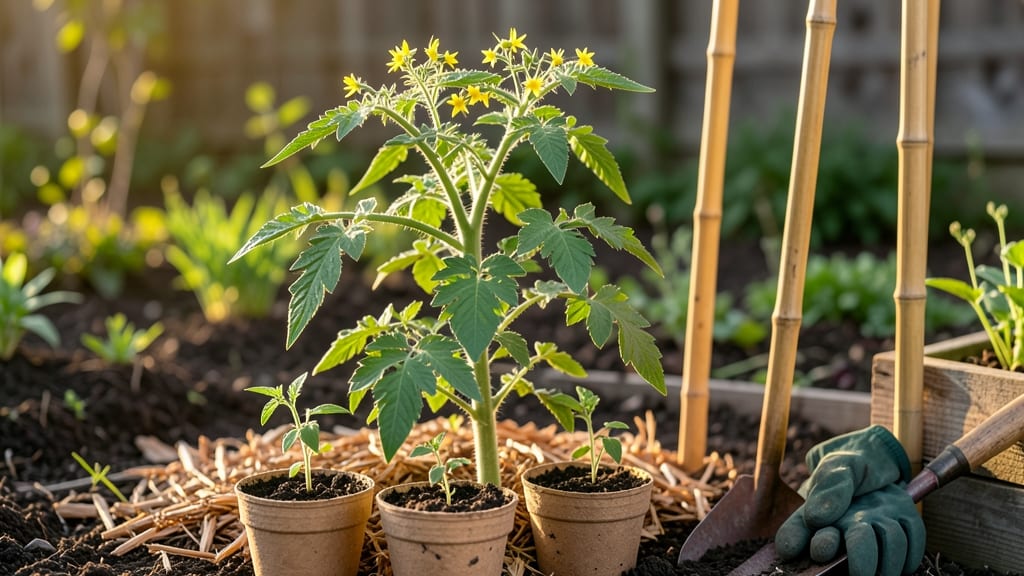
North Carolina tomato planting deadlines by Zone 7a/7b: frost-free timelines
Timing your tomato planting in North Carolina hinges on two critical factors: last frost dates and soil temperature thresholds.
For Zone 7a (e.g., Asheville, Boone), the average last frost occurs between March 15–April 15, while Zone 7b (e.g., Raleigh, Charlotte) typically sees its final frost around April 1–April 30. But don’t rush—tomatoes need warm soil (60°F+) to thrive, and cool spring nights can stunt growth.
Most gardeners in NC wait until mid-April to early May to transplant seedlings, aligning with soil thermometer readings. Early varieties like 'Celebrity' (65–70 days to maturity) can handle cooler soils, but heat-loving 'Solar Fire' (75–80 days) needs consistent warmth.
Pro tip: Use black plastic mulch to raise soil temps by 5–10°F and extend your planting window.
Here’s the golden rule for NC tomatoes: Plant after your region’s last frost and when soil reaches 60°F. For Zone 7a, this often means late April; for Zone 7b, early to mid-April works for early varieties.
Miss this window, and you risk blossom drop or stunted plants.
| Zone | Last Frost Date | Ideal Planting Window | Soil Temp Threshold | Notes |
|---|---|---|---|---|
| 7a (Asheville, Boone) | March 15–April 15 | Late April–Early May | 60°F+ | Use mulch for cooler soils; avoid early planting. |
| 7b (Raleigh, Charlotte) | April 1–April 30 | Early–Mid April (early varieties) | 60°F+ | Stagger plantings for continuous harvests. |
| Both Zones | N/A | Last planting: June 1 | N/A | Late plantings need heat-tolerant varieties. |
North Carolina’s microclimates add another layer of complexity. Urban areas like Charlotte often warm up faster than rural mountain regions, so adjust your timeline accordingly. For example, a south-facing garden bed in Raleigh might be ready 2 weeks earlier than a shaded spot in the Piedmont.
Always monitor soil temperature with a thermometer—50°F soil can delay germination by weeks.
Choosing the right tomato varieties also impacts your planting timeline. Early-season varieties (e.g., 'Stupice', 55–65 days) can handle cooler soils and shorter growing seasons, while late-season varieties (e.g., 'Brandywine', 80–90 days) need long, hot summers.
For Zone 7a, prioritize determinate varieties (bush-type) to avoid frost damage before harvest. In Zone 7b, indeterminate varieties (vining) thrive with staggered plantings.
Don’t overlook the first frost risk in fall. In NC, the average first frost hits between November 1–15, leaving a 180–210-day growing season. Plan accordingly: If you plant in early June, opt for fast-maturing varieties (e.g., 'Early Girl', 50–55 days) to harvest before cold snaps.
For extended harvests, use row covers or greenhouses to push the season.
One common mistake NC gardeners make is planting too late—waiting until May or June leaves little time for fruit development before summer’s end. Aim to have transplants in the ground by early May for most varieties.
If you’re unsure, start with a few early plants in April and add more as the season progresses. This succession planting strategy ensures a continuous harvest from June through October.
For container gardening in NC, the rules are slightly different. Potted tomatoes warm up faster but dry out quicker. Plant after last frost and use <
5 Critical factors that determine the best tomato planting time in NC
North Carolina’s variable microclimates and heat intensity mean frost-free dates alone won’t guarantee tomato success. Five key factors—soil temperature, local climate patterns, variety maturity, heat tolerance, and planting method—dictate the real best time to plant.
Ignore these, and you risk stunted growth or early blight.
First, soil temperature is non-negotiable. Tomatoes need 60°F+ soil to thrive, even if air temps are warm. Use a soil thermometer—planting in 50°F soil delays root growth by 2+ weeks.
In Zone 7a, this often means waiting until mid-April; in 7b, early April may suffice if soil warms faster.
Next, local microclimates create wild variations. Urban areas like Raleigh or Charlotte can be 5–10°F warmer than rural Appalachian foothills. Check your last frost data from the NC State Extension—their Frost/Freeze Probability Maps show Zone 7a averages March 15–April 15 for last frost, but your yard might differ.
🌱 Key Takeaway: Soil > Air Temp
Tomatoes won’t grow if soil is cold—even if air is warm. Test soil depth (4" down) before planting. Black plastic mulch can add 5–10°F to soil temp faster than waiting for "perfect" dates.
Variety maturity days also shift your window. Early varieties like 'Early Girl' (55–60 days) can go in late March under row covers, while heirlooms like 'Brandywine' (80+ days) need June planting to avoid summer’s 90°F+ heat.
Match your harvest goals to first frost risk—NC’s first frost averages November 15, but early varieties may finish by then.
Heat tolerance is the wildcard. Most tomatoes struggle above 90°F, but heat-resistant varieties like 'Solar Fire' or 'Heatmaster' can handle 100°F+ with proper shade cloth and mulching. If your summer hits 95°F+ early, opt for late-June plantings to avoid blossom drop and sunscald.
Finally, planting method alters your timeline. Direct-sown seeds germinate best at 70°F+ soil, while transplants can handle 55°F+—giving you a 2-week head start.
Start seeds indoors 6–8 weeks before last frost, or buy hardened transplants from local nurseries (like Lowe’s or Tractor Supply) as soon as soil warms.
Pro tip: Stagger plantings by 2 weeks to extend harvests. For example, plant half your tomatoes April 15 and the rest May 1—this ensures fruit ripens over 6+ weeks, avoiding glut and waste.
Pair early varieties with late ones (e.g., 'Stupice' + 'Celebrity') for a continuous supply.