
Plants
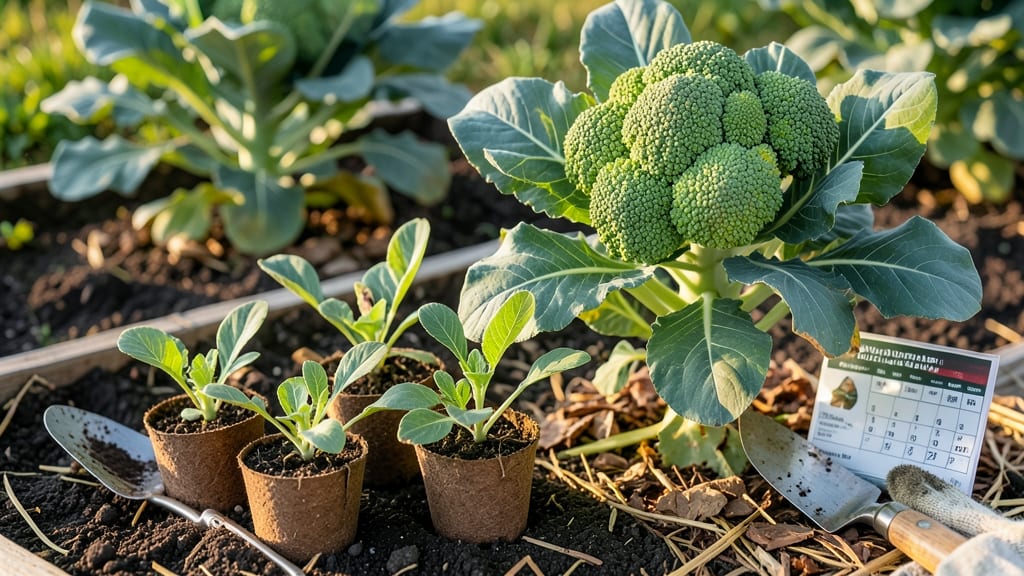
Timing your 🥦 broccoli planting in North Carolina can mean the difference between a bumper crop and wasted effort. The Tar Heel State’s varied climate—from the humid Coastal Plain to the cooler Mountains—means your planting schedule should shift depending on where you live and which USDA zone you’re in.
Most gardeners know broccoli thrives in cool weather, but getting the exact window right is tricky. Plant too early in spring, and frost will nip your seedlings. Wait too long, and summer’s heat will send your plants bolting before they form those perfect heads.
I’ll break down the ideal planting times for your zone, plus pro tips to stretch your harvest from summer through fall.
Whether you’re a first-time gardener or a seasoned green thumb, this guide will help you avoid common mistakes like poor soil prep or ignoring microclimates. You’ll learn how to time your plantings for maximum yield, whether you’re in the Piedmont’s Zone 7b or the Mountains’ Zone 6a.
Ready to grow broccoli that’s healthier, hardier, and ready to harvest just when you need it? Let’s dive into the exact schedule—and what to do if Mother Nature throws you a curveball.
Best planting times for broccoli in North Carolina by USDA Zone
North Carolina’s USDA zones 5b through 8a offer unique windows for growing broccoli, but timing varies dramatically between the Coastal Plain, Piedmont, and Mountain regions.
In cooler zones like Asheville (Zone 7a), you can plant as early as late February, while Wilmington (Zone 8a) gardeners should wait until mid-March to avoid heat stress.
The key is planting 6-8 weeks before your average last frost date—check your local NC State Extension frost maps for precision.
For fall broccoli, aim to sow seeds 85-100 days before your first frost. In Raleigh (Zone 7b), that means mid-July to early August, while Charlotte (Zone 8a) can extend planting into late August.
Fall plantings thrive in NC’s cooler autumn temperatures, producing sweeter, more tender heads before winter sets in.
Broccoli is a cool-season crop that bolts (goes to seed) when temperatures rise above 80°F. In Zone 7b and warmer, plan to harvest before late May to avoid this.
Use shade cloth or row covers to protect plants if summer arrives early—this is especially critical in Zone 8a, where heat stress is more common.
Soil temperature is just as critical as air temperature. Broccoli seeds germinate best in soil between 45°F and 85°F, but ideal transplanting soil temps hover around 55°F-65°F. Use a soil thermometer to monitor—waiting for these conditions ensures strong root establishment.
In Zone 5b (Western NC), this might mean delaying until mid-April, while Zone 8a (Coastal NC) can start earlier.
| USDA Zone | Spring Planting Window | Fall Planting Window | Key Notes |
|---|---|---|---|
| 5b (Mountains) | Late Feb - Mid-April | Mid-July - Early Aug | Use row covers; frost risk higher |
| 6a/6b (Piedmont) | Mid-March - Early May | Early July - Late Aug | Ideal for 'De Cicco' varieties |
| 7a/7b (Central NC) | Late March - Early June | Mid-July - Early Sept | Succession plant every 3 weeks |
| 8a (Coastal NC) | Early Feb - Late May | Late July - Mid-Sept | Heat-tolerant varieties like 'Calabrese' |
Microclimates play a huge role in NC. If you live in a low-lying area or near large bodies of water (like the Coastal Plain), you may experience softer winters and can plant 2-3 weeks earlier than inland zones.
Conversely, valley regions in the Mountains often see colder snaps—protect seedlings with black plastic mulch or straw mulch to insulate roots.
For direct sowing (planting seeds directly in the ground), start 4-6 weeks before your last frost. In Zone 7b, that’s typically mid-February to early March.
If you prefer transplants, buy 4-6 week old seedlings from local nurseries and set them out 2-3 weeks after your last frost. Transplants give you a 2-week head start on the season, which is critical for early spring harvests.
Don’t overlook soil preparation—broccoli thrives in well-draining, slightly acidic soil (pH 6.0-7.0). Work in 2-3 inches of compost or aged manure before planting, and mix in a balanced fertilizer (10-10-10) to boost early growth.
NC’s clay-heavy soils (common in the Piedmont) benefit from sand or peat moss to improve drainage.
Once planted, maintain consistent moisture—broccoli hates drought stress, which triggers bolting. In Zone 8a’s hotter summers, mulch with straw or wood chips to retain moisture and keep roots cool.
Water at the base of plants in the early morning to prevent fungal diseases like downy mildew, which thrives in NC’s humid summers.
Pro tip: Mark your planting dates on a garden calendar and track 75-90 days to harvest from each planting. This helps you stagger crops for continuous harvests—perfect for NC’s long growing season. For example, a March 1st planting in
Best planting times for broccoli in North Carolina by USDA Zone
North Carolina’s diverse climate means your broccoli planting schedule should align with your USDA zone and local frost dates. Coastal areas (like Zone 8a) have milder winters, while the Mountains (Zone 6a) face earlier frosts.
For most of NC, aim to plant 4-6 weeks before your last frost date for spring crops and 60-90 days before first frost for fall harvests.
Spring plantings are critical—start seeds indoors 6-8 weeks before last frost or buy transplants from local nurseries. In Zone 5b-6a (Mountains), this means sowing seeds by mid-March for outdoor planting in April. Warmer zones like Zone 7b-8a (Piedmont/Coastal) can wait until late March to early April.
| USDA Zone | Spring Planting Window | Fall Planting Window | Key Notes |
|---|---|---|---|
| 5b-6a (Mountains) | March 15-April 15 | July 15-August 15 | Use row covers for frost protection |
| 7a-7b (Piedmont) | April 1-May 1 | August 1-September 1 | Succession plant every 2 weeks |
| 8a (Coastal Plain) | March 1-April 15 | August 15-September 30 | Longer growing season—try 2 crops |
For fall harvests, plant seeds in late summer (July-August) so heads mature before cold weather sets in. In Zone 7b, aim for August 1 plantings to harvest by October-November. Coastal gardeners can push this to September for extended yields.
Check your last frost date (NC State Extension has zone maps) and adjust by 2-3 weeks if your microclimate runs cooler (e.g., valleys) or warmer (e.g., urban heat islands). Always harden off seedlings for 7-10 days before transplanting to avoid shock.
Pro tip: Use cool-season varieties like ‘Waltham 29’ for spring or ‘Packman’ for fall—they handle NC’s heat better than standard types. Mulch with straw to keep roots cool and moist during summer’s dog days.
🌱