
Plants
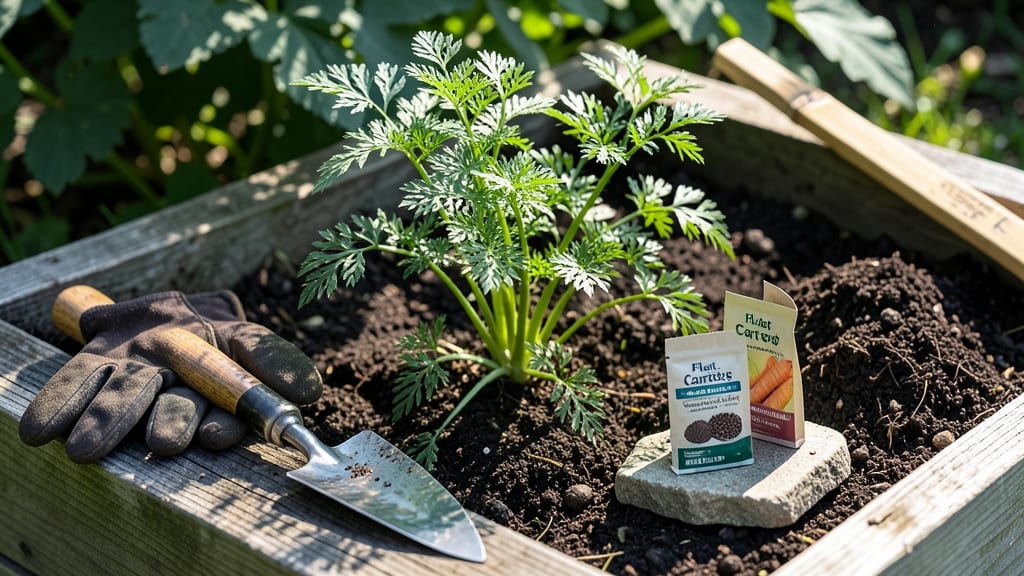
Timing your 🥕 carrot planting in North Carolina can mean the difference between sweet, crisp harvests and bitter, woody roots—so getting it right is everything.
With our mild winters and long growing season, you’ve got two prime chances to plant, but missing the window by even a few weeks can throw off your entire crop.
Most gardeners in zones 7a-8b swear by late February through early April for spring plantings, followed by late July to early August for fall. But here’s the catch: soil temperature matters just as much as calendar dates.
Plant too early when the ground is still cold, and your seeds won’t germinate; too late, and summer heat turns those perfect roots into tough, stringy disappointments.
I’ve tested these windows myself—and learned the hard way about bolting, forking, and uneven growth—so I’ll walk you through exactly when to plant, how to prep your soil, and which varieties thrive in NC’s climate.
By the end, you’ll know the precise timing to maximize your harvest, whether you’re growing baby carrots or full-sized roots.
Ready to skip the guesswork? Let’s dive into the frost-free schedule that’s worked for hundreds of North Carolina gardeners—no more wasted seeds or disappointing harvests.
North Carolina carrot planting calendar: best months by region and soil prep
North Carolina’s diverse climate means your carrot planting schedule should vary by region—whether you’re in the Coastal Plain, Piedmont, or Mountain areas. The key is planting when soil temperatures hit 55–65°F and frost risk fades.
In Coastal NC, start as early as late February, while Mountain regions should wait until mid-April to avoid late frosts.
For a continuous harvest, aim for two main planting windows: spring (March–April) and fall (July–August). Spring carrots thrive in cooler weather, while fall plantings benefit from mild autumn temperatures before the first frost.
Summer planting is tricky—opt for heat-tolerant varieties like ‘Danvers’ or ‘Nantes’ if you must grow during peak heat.
Soil prep is non-negotiable for sweet, straight carrots. Test your soil’s pH—carrots prefer 6.0–6.8. Amend heavy clay with compost or sand to prevent forking. Remove rocks and debris, as carrots need loose, fine-textured soil to grow properly.
A quick tip: Till in aged compost or well-rotted manure 2–3 weeks before planting to improve drainage and fertility.
Here’s your region-specific planting calendar, including soil temperature thresholds and frost dates to guide your timing:
Pro tip: Use a soil thermometer to confirm temperatures before planting. Carrot seeds need consistent warmth to germinate—if soil is too cold (<50°F), they’ll rot in the ground. In Coastal NC, you can even plant baby carrots as early as January under row covers for a head start.
For fall plantings, aim to harvest before the first frost (typically mid-November in the Mountains to early December in the Coast). If you’re in a warmer microclimate, like the Research Triangle, you might squeeze in a third planting in September for a late harvest.
Don’t forget to rotate crops—carrots are prone to pests like carrot rust fly and diseases if planted in the same spot yearly. Wait 3–4 years before replanting carrots or other Apiaceae family members (e.g., parsley, dill) in the same bed.
Once your soil is prepped and temperatures are ideal, sow seeds ¼ inch deep, spacing them 1–2 inches apart. Thin seedlings to 3–4 inches apart when they’re 2–3 inches tall to prevent competition. Mulch with straw or grass clippings to retain moisture and suppress weeds—carrots hate competition!
With the right timing and soil prep, you’ll be pulling crisp, sweet carrots straight from your NC garden in as little as 60 days. Happy planting!
How to extend your carrot harvest season in NC: succession planting guide
North Carolina gardeners can enjoy fresh carrots from spring through fall with succession planting—a simple strategy to stagger plantings every 3–4 weeks. This ensures a steady supply of sweet, crisp roots instead of one massive harvest.
The key is choosing the right varieties and spacing them correctly to avoid overcrowding.
Start your first planting in late February to early March for a spring harvest, then follow up with weekly or biweekly sowings until mid-July. For fall, begin in late July to early August, with final plantings by mid-August to allow enough time before frost.
This method works best in USDA Zones 7a–8b, where frost-free windows are generous.
For heat-tolerant varieties, like Danvers or Nantes, plant in summer (June–July) to avoid bolting. In fall, opt for cold-hardy types such as Chantenay or Paris Market, which mature quickly before the first frost.
Always check seed packets for days to maturity—aim for 50–70 days for baby carrots and 70–90 days for full-sized roots.
- 🌱 Late Feb–Early Mar: First spring planting (harvest May–June)
- 🌿 Every 3–4 weeks: Repeat until mid-July for continuous harvests
- 🌻 Late July–Early Aug: Start fall plantings (harvest Oct–Nov)
- 🍂 Mid-Aug: Final fall planting (harvest before first frost)
When planting, keep rows 12–18 inches apart to allow easy thinning and access. Thin seedlings to 2–3 inches apart once they’re 2 inches tall—this prevents competition and ensures straight, stout roots. Use a hand trowel for precision, and harvest thinnings for baby carrots or microgreens.
Pair carrots with companion plants like onions, leeks, or rosemary to deter pests, while avoiding dill or fennel, which can stunt their growth. Mulch with straw or grass clippings to retain moisture and suppress weeds, especially during hot summer months when soil dries quickly.
To maximize yield, rotate planting locations each season to prevent soil-borne diseases. If space is limited, use raised beds or containers—just ensure the soil is loose and stone-free to prevent forking. With this approach, you’ll enjoy homegrown carrots for 6+ months straight!