
Plants
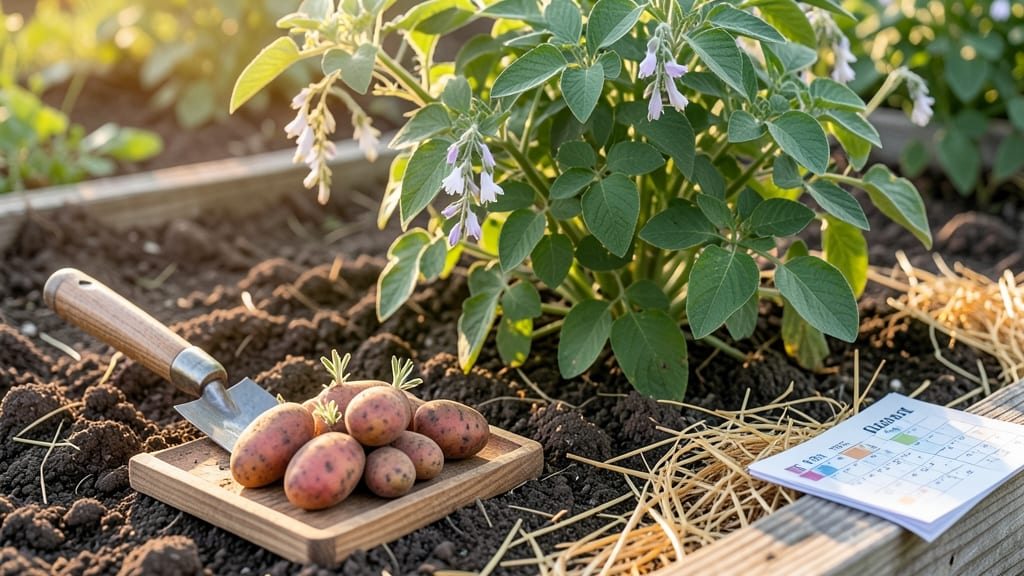
The best time to plant potatoes in Ohio isn’t just about the calendar—it’s about beating frost, warming soil, and giving your 🥔 a fighting chance against Ohio’s unpredictable spring swings. One wrong move, and you’ll end up with stunted tubers or a total flop, but nail the timing, and you’re looking at a harvest that’ll make your neighbors jealous.
Ohio’s USDA Zone 6a gives you a narrow window to work with—typically between March and early May, once the soil hits at least 45°F. That’s when your seed potatoes can finally sprout without the risk of frost zapping them overnight.
But here’s the kicker: planting too early can leave your crop vulnerable, while waiting too long might mean your potatoes mature just as the first frost rolls in.
I’ve grown potatoes in Ohio for years, and the key to success isn’t just picking the right dates—it’s understanding how soil temperature, variety, and even last-minute frost warnings play into your plan.
Whether you’re a first-timer or a seasoned gardener, this guide will help you avoid common pitfalls and set your potatoes up for the biggest, healthiest harvest possible.
Ready to dig in? Let’s break down exactly when to plant—spring vs. fall options, soil prep secrets, and which potato varieties thrive best in Ohio’s climate. Your future meals (and bragging rights) depend on it.
Ohio’s ideal potato planting windows: spring vs fall deadlines by Zone
Ohio’s USDA zones 5-7 create a tight window for planting potatoes—just 2-4 weeks before your last frost date. For most of Ohio, that means mid-March to early May for spring planting, but timing varies by 100+ miles from north to south.
Fall planting is riskier but possible in late August to early September for early-maturing varieties.
Your soil temperature is the real deadline: potatoes won’t sprout until the ground reaches 45°F+. In northern Ohio (zone 5), wait until after April 15—planting too early risks rot from cold, wet soil.
In southern Ohio (zone 7), you can start as early as mid-March, but late frosts in April can still damage young plants.
Here’s how to calculate your exact window: subtract 21 days from your average last frost date (find yours via the Ohio State University Extension frost map). For example, if your last frost is April 20, plant by April 1 to ensure tubers mature before first frost in October.
Fall planting in Ohio is high-risk but rewarding for early harvests. Seed potatoes need 90-120 days to mature, so plant no later than September 1 in southern Ohio or August 15 in the north. Use row covers to extend the season by 2-3 weeks.
Pro tip: Chit your seed potatoes (sprout them indoors 2-4 weeks before planting) to jumpstart growth in Ohio’s cool springs. This shaves 10-14 days off your timeline, giving you a head start on the 60-120 day maturity window.
| Planting Window | Soil Temp Requirement | Last Planting Date | Frost Risk | Best Varieties |
|---|---|---|---|---|
| Spring (Primary) | 45°F+ | 2-4 weeks before last frost | Moderate (late frosts) | Yukon Gold, Kennebec, Red Pontiac |
| Spring (Northern OH) | 45°F+ | April 1 - April 15 | High (April frosts) | Early Red, Irish Cobbler |
| Spring (Southern OH) | 45°F+ | March 15 - April 1 | Low (warmer soil) | Russet Burbank, Fingerling |
| Fall (High-Risk) | 50°F+ | August 15 - September 1 | Very High (early frosts) | Red LaSoda, Purple Viking |
🌱 Use row covers to extend fall planting by 2-3 weeks.
Ohio’s microclimates add another layer of complexity. If you’re in a low-lying area (like the Maumee River valley), frosts linger longer—wait until May 1 to plant. Conversely, urban heat islands in cities like Columbus can warm soil 2-3 weeks earlier than rural areas.
For maximum yield, aim for a 60-day variety like ‘Early Rose’ if planting in late April, or a 120-day variety like ‘Kennebec’ for early May planting. The Ohio State Extension recommends testing soil temperature with a soil thermometer—wait until it’s consistently 50°F+ for 5+ days.
Don’t let Ohio’s unpredictable weather derail your harvest. Use frost cloth for the first 2 weeks after planting to protect young shoots. And if a late frost hits after sprouts emerge, cover plants immediately—they’ll recover if the tubers themselves aren’t frozen.
Remember: early planting ≠ early harvest. Potatoes need warm soil to grow, not just warm air. A 50°F soil in March might feel safe, but 45°F is the magic number for sprouting. Use a soil thermometer—it’s your best tool for Ohio’s variable climate.
Ohio’s ideal potato planting windows: spring vs fall deadlines by Zone
Ohio’s USDA Zones 5-7 create a tight window for planting potatoes—typically between March and early May for spring, with a secondary chance in late August to September for fall plantings.
The key is soil temperature: potatoes need at least 45°F soil to sprout, and Ohio’s frost dates (usually mid-April last frost, mid-October first frost) dictate your timeline.
Spring planting is the most common, but fall offers a second chance for varieties with shorter growing seasons. The difference? Spring potatoes rely on Ohio’s warming soil, while fall plantings must mature before winter sets in.
I’ve found that early April is my sweet spot for spring plantings—just as the ground thaws but before unpredictable late frosts strike.
Here’s the breakdown by Ohio’s zones and frost-free dates:
For spring plantings, aim to get your seed potatoes in the ground 2-4 weeks before your last frost date. In Ohio, this usually means early April for most regions, but always check your local frost-free date—I use the Old Farmer’s Almanac for my area.
If you’re in Zone 5, you might need to wait until late April to avoid frost damage.
Fall plantings are trickier but work well for fast-maturing varieties. Plant in late August (Zone 5) to early September (Zone 7) to ensure tubers mature before the first frost. I’ve had success with ‘Red LaSoda’ in fall plantings—it matures in just 70 days, perfect for Ohio’s short autumn.
Pro tip: Use row covers or black plastic mulch to warm the soil faster in spring, or protect young plants from late frosts. And if you’re planting in May, choose late-maturing varieties like ‘Kennebec’ to maximize your harvest before frost.