
Companion Plants
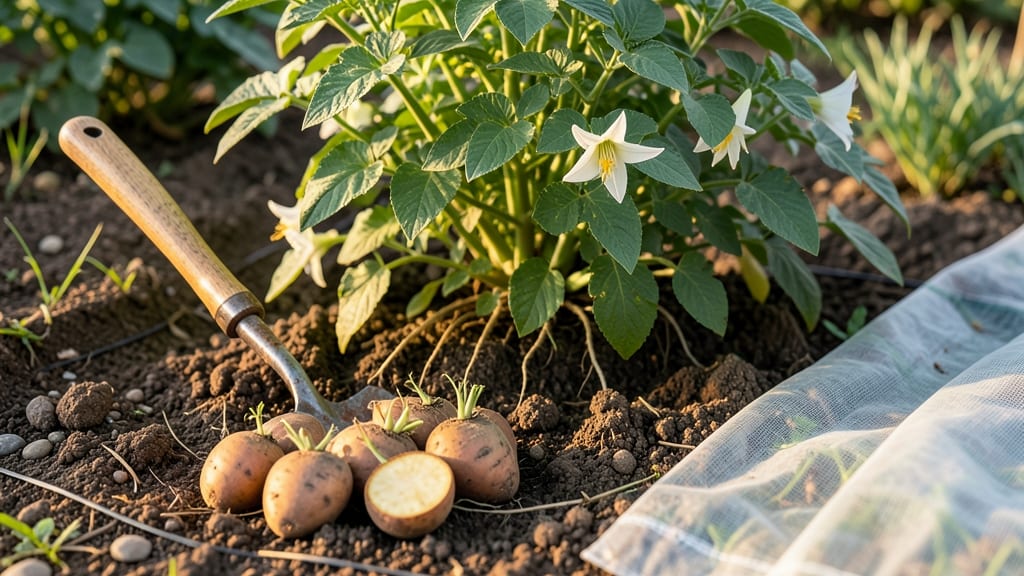
Knowing when to plant potatoes in Ohio can make the difference between a thriving garden and a disappointing harvest. With Ohio's variable climate—especially in Zone 6a—timing is everything for your 🥔 crop to flourish.
Plant too early, and frost will nip your young sprouts; too late, and you might miss the ideal growing window before summer heat sets in.
Most Ohio gardeners aim to get seed potatoes in the ground 2-4 weeks before the last expected frost, typically between early March and mid-April. But don’t just guess—check your local frost dates or use USDA maps to pinpoint the perfect window for your specific area.
Even in containers, potatoes need consistent warmth to thrive, so soil temperature matters just as much as calendar dates.
Whether you're a seasoned gardener or a first-timer, the right planting schedule ensures your potatoes grow strong and produce a bountiful harvest by mid-summer. I’ll walk you through Ohio-specific tips, including how to adjust for late frosts or early heatwaves, so you can maximize your yield without the guesswork.
Ready to dig in? Let’s break down the best times to plant, the varieties that thrive in Ohio’s climate, and how to protect your crop from unpredictable weather. Your perfect potato patch starts with the right timing—and this guide has you covered.
Ohio potato planting calendar by hardiness Zone (5-7) and last frost dates
Ohio’s diverse USDA hardiness zones (5a through 7a) mean your potato planting window can vary by weeks—even between neighboring towns. The key is planting 2-4 weeks before your last expected frost date, when soil temperatures consistently reach 45°F or warmer.
For most Ohio gardeners, this lands between mid-March and early April, but Zone 5 gardeners in northern Ohio may need to wait until late April.
To pinpoint your exact planting window, check the USDA Plant Hardiness Zone Map and local frost date averages. For example, Columbus (Zone 6a) typically sees its last frost around April 15, while Toledo (Zone 5b) might not be frost-free until April 25.
Planting too early risks frost damage, while waiting too long can lead to stunted tubers or disease pressure.
Here’s how Ohio’s zones break down for potato planting timing, including soil temperature thresholds and ideal planting windows:
| Zone | Last Frost Date | Soil Temp Threshold | Planting Window | Notes |
|---|---|---|---|---|
| 5a (Northern OH) | April 25–May 5 | 45°F+ | Late April–Early May | Use frost cloth for early starts; opt for early-maturing varieties. |
| 5b (Northeast OH) | April 15–April 25 | 45°F+ | Mid-April | Soil warming may be needed in cold springs. |
| 6a (Central OH) | April 1–April 15 | 45°F+ | Late March–Early April | Ideal for mid-season varieties like 'Red LaSoda'. |
| 6b (Southwest OH) | March 25–April 5 | 45°F+ | Early April | Can plant early varieties as soon as soil is workable. |
| 7a (Southern OH) | March 15–March 30 | 45°F+ | Late March | Longer growing season allows for late varieties like 'Russet Burbank'. |
For container gardening, Ohio gardeners in all zones can start potatoes 4-6 weeks earlier using black plastic pots or grow bags. These absorb and retain heat better than regular containers, helping you meet the 45°F soil temperature requirement faster.
Just be sure to move containers indoors or under a hoop house if nighttime temperatures dip below freezing.
Pro tip: Use a soil thermometer to confirm your soil is warm enough before planting. Cold soil slows germination and can lead to rotten seed pieces. If your soil is still too cold, cover it with black plastic mulch for 1-2 weeks to warm it up naturally.
Ohio’s short growing season (about 165 frost-free days) means timing is critical. Planting too late can result in small, underdeveloped tubers, while early planting risks frost damage. Aim to have your potatoes harvested before the first frost in October—most varieties need 90-120 days to mature.
For gardeners in Zone 6 and 7, consider planting a second crop in late June for a fall harvest. Choose early-maturing varieties (like 'Early Girl') and use row covers to extend the season into September.
🌱
How to adjust planting time for Ohio’s unpredictable weather patterns
Ohio’s weather can be as unpredictable as a toddler’s mood—one day sunny, the next a surprise frost. If you’ve ever planted potatoes only to wake up to a late spring freeze, you know how quickly your plans can go south.
The key is flexibility: knowing how to adjust planting dates based on soil temperature, frost forecasts, and even cloud cover can save your crop from disaster.
Most Ohio gardeners aim for March or early April planting, but if your soil stays cold or frost lingers, don’t rush. Wait until the ground reaches 45°F or warmer—this is your green light to plant.
Use a soil thermometer (just $10 at garden centers) to check, or press your finger into the soil: if it feels cool to the touch, it’s not ready yet.
For Zone 5b and 6a gardeners (like most of central Ohio), late frosts are a real threat. If frost is forecasted after planting, cover your rows with frost cloth or even old bedsheets secured with bricks.
This simple trick can protect young sprouts until they’re strong enough to survive on their own.
Even if the calendar says "spring," don’t plant too early. In 2022, Columbus saw frost as late as April 22nd. If you plant in early March and hit a late freeze, your potatoes will rot in the ground before they sprout. Always check the Old Farmer’s Almanac for your local frost dates.
Pro Tip: Plant a test row 1-2 weeks before your target date. If it survives a frost, the rest of your crop will too.
If your spring is unusually cold (like 2020’s "Snowmageddon" delays), consider container planting. Pots warm up faster than garden beds, and you can move them to a sunny spot or even indoors under grow lights if frost threatens. Just use 5-gallon buckets with drainage holes—potatoes need room to grow!
For Zone 7a gardeners (southern Ohio), you’ve got a little more wiggle room. You can plant as late as mid-April, but if summer heat arrives early, opt for early-maturing varieties (like ‘Red Norland’) to avoid stress.
And if you miss the spring window? Don’t panic—you can plant a second crop in late June for a fall harvest, though yields will be smaller.
Finally, keep an eye on the 7-day forecast in the days leading up to planting. If rain is predicted, delay by a week—wet soil stays cold longer and can lead to waterlogged tubers or disease.
A few extra days waiting for dry, warm soil is always worth it for a healthy crop.