
Companion Plants
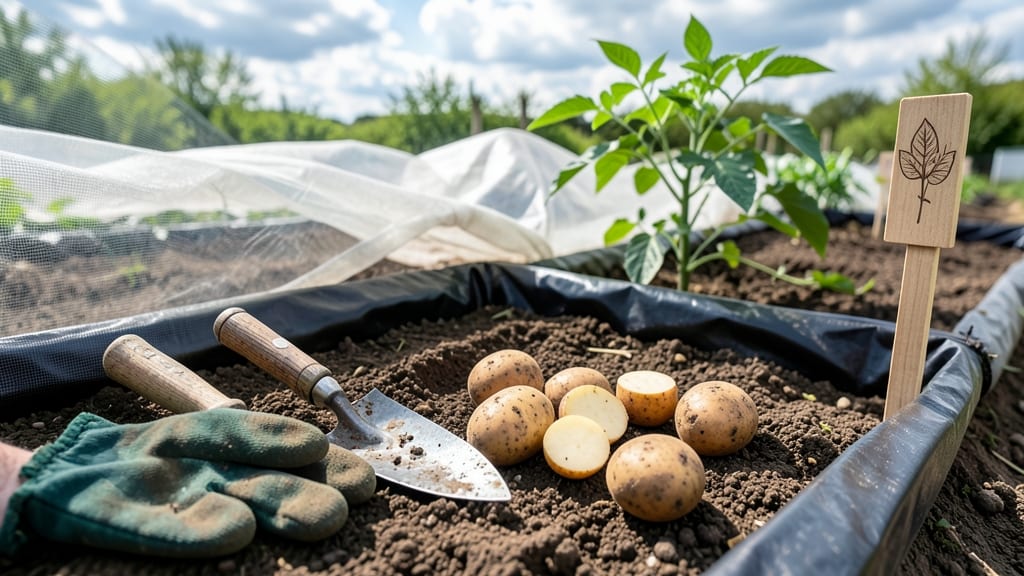
If you've ever wondered when to plant potatoes in Ohio, timing is the secret weapon between a bountiful harvest and a sad, bolted mess.
Ohio's Zone 6a climate means you've got just 165 frost-free days to work with, and getting those seed potatoes in the ground at the right moment makes all the difference.
Planting too early risks frost damage, while waiting too long can trigger those premature flowers that send your potatoes bolting before they're ready. The good news?
With the right variety-specific schedule, you can enjoy zero-bolt harvests from early red potatoes to late-season fingerlings—all without guessing when to stick those 🥔 in the dirt.
I'll break down the exact planting windows for Ohio's climate, including how to adjust for your specific microclimate. Whether you're in Columbus, Cincinnati, or the Appalachian foothills, you'll learn when to start chitting your seed potatoes indoors and when to get them in the ground for maximum yield.
Let's dive into the variety-by-variety planting calendar that'll have you digging up perfect potatoes from July through August—no more wasted efforts or disappointed harvests. Ready to master Ohio's potato-growing secrets?
Ohio potato planting calendar by variety: early, mid, and late season timing
Ohio’s variable spring temperatures make potato planting tricky—one wrong move, and your seed potatoes bolt before producing tubers. But by matching variety maturity to Ohio’s USDA Zone 6a frost dates, you can avoid bolting and enjoy a high-yield harvest.
The key? Planting early, mid, and late season varieties at precise intervals to stretch your harvest from June through August.
For Ohio gardeners, the last average frost date is around April 15, but soil temperature (not air temperature) determines readiness. Aim to plant when soil reaches 45°F—use a soil thermometer to check.
Early varieties need cooler soils, while late-season types thrive in warmer conditions. Below, I’ve broken down the ideal planting windows for Ohio’s top potato varieties, plus frost risk factors to watch.
🌱 Pro Tip: Chit your seed potatoes 4-6 weeks before planting by placing them in a bright, cool spot (55–65°F). This jumpstarts growth and ensures uniform sprouting in the garden.
| Variety Type | Planting Window (Ohio) | Days to Harvest | Key Notes |
|---|---|---|---|
| Early (Red Potatoes) | Mid-March to early April (soil 40–45°F) | 60–90 days | Cold-tolerant; harvest by June 15 to avoid bolting. |
| Mid (Russet Potatoes) | Late April to early May (soil 50–55°F) | 90–110 days | Plant after last frost; ideal for July harvests. |
| Late (Fingerlings) | Early May (soil 55–60°F) | 100–120 days | Extend season with row covers; harvest in August. |
| New Potatoes (All Types) | April–May (plant in containers for early harvests) | 45–60 days | Harvest small tubers when plants flower for tender "new" potatoes. |
🌡️ Soil Temp Check: Use a thermometer to confirm readiness—45°F for early, 55°F for late varieties.
Ohio’s Appalachian regions (e.g., Southeast Ohio) often experience later frosts than the rest of the state, so adjust planting dates 1–2 weeks later if you’re in Zones 5b–6a. For example, in Athens or Cambridge, hold off until late April for mid-season varieties to avoid frost damage.
Meanwhile, Northern Ohio (e.g., Toledo, Cleveland) can plant early varieties as soon as mid-March under frost cloth.
To maximize yield, hill soil around potato plants when they reach 6 inches tall, adding 2–3 inches of loose soil or compost to encourage tuber formation. This is especially critical for late-season varieties, which need consistent warmth to bulk up.
Avoid hilling too early—wait until the foliage outgrows the original row to prevent green tubers (which contain toxic solanine).
💡 Light Management: If your garden gets partial shade, prioritize early and mid-season varieties—they tolerate 4–6 hours of sun better than late-season types. For full-sun spots, late varieties thrive with 8+ hours of light and produce larger tubers.
Finally, don’t overlook succession planting. In Ohio, you can squeeze in two harvests by planting early varieties in March and late varieties in May. This ensures a steady supply from June through August, just in time for Ohio’s farmers' markets and fresh-eating season.
Just remember: never plant potatoes in the same spot two years in a row—they deplete soil nutrients and attract potato scab.
With this variety-specific schedule, you’ll avoid the #1 Ohio potato mistake: bolting. Next, we’ll cover how to tweak these dates for urban gardens, clay soils, and high-altitude areas—stay tuned! 🌱
Ohio potato planting calendar by variety: early, mid, and late season timing
Ohio’s Zone 6a climate gives you a narrow window to grow potatoes—just 165 frost-free days—so choosing the right variety and planting at the perfect time is critical.
The key is matching your seed potato variety to Ohio’s spring temperature fluctuations, which can cause early bolting if you’re not careful.
Early varieties like Red LaSoda or Yukon Gold thrive when planted 4-6 weeks before Ohio’s last frost date (around April 15).
Mid-season varieties such as Russet potatoes need to go in the ground 2-3 weeks later, while late varieties like Fingerlings can wait until late April or early May.
Here’s the breakdown of planting windows for Ohio’s three main potato categories, including soil temperature triggers and frost risk factors:
| Variety Type | Planting Window | Soil Temp Trigger | Frost Risk | Harvest Window |
|---|---|---|---|---|
| Early (Red) | Mid-March to early April | 45°F+ (chit indoors first) | High (late frosts common) | Late June to early July |
| Mid (Russet) | Late March to mid-April | 50°F+ (warmer soil needed) | Moderate (after April 15) | July to early August |
| Late (Fingerling) | Early to mid-April | 55°F+ (longer growing season) | Low (extended season) | August to early September |
For early varieties, start chitting your seed potatoes 6-8 weeks before planting (around mid-February) to jumpstart growth. Place them in a cool, bright spot (50-55°F) with light exposure to encourage sprout development without bolting.
If you’re in Ohio’s Appalachian foothills or high-altitude areas, delay planting by 1-2 weeks to avoid late spring frosts. Use row covers or a cold frame to protect young plants until soil warms consistently above 50°F.
Remember, soil temperature matters more than air temperature. Use a soil thermometer to confirm readiness—potatoes won’t sprout until the soil hits 45°F for early varieties or 50°F+ for mid/late varieties. Planting too soon in cold soil can stunt growth and invite rot.