
Plants
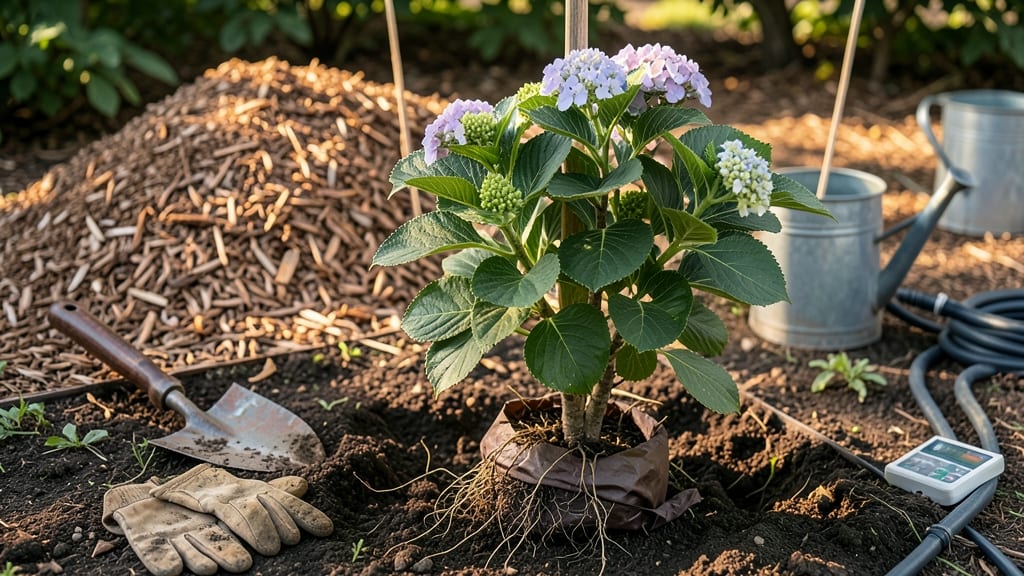
If you're asking "when is the best time to plant hydrangeas in the Northeast", the answer depends on one key factor: root growth timing. Planting your 🌸 hydrangeas too early means struggling with frost damage, while waiting too late risks stunted growth before winter hits.
For gardeners in USDA Zones 5-7, the ideal windows are April-May or September-October. Spring planting lets roots establish before summer heat, while fall gives them time to settle before dormancy. Both approaches work—but each has its own advantages depending on your local microclimate.
Let's break down the pros and cons of each season, plus the exact conditions to watch for in your region. You'll learn how to prepare soil, adjust for late frosts, and avoid the most common mistakes that trip up Northeast gardeners.
Ready to give your hydrangeas the strongest start possible? The right timing could mean the difference between a shrub that thrives and one that barely survives. Let's get into the details.
Spring vs fall planting for hydrangeas: which season gives stronger root growth?
Deciding between spring and fall planting for hydrangeas in the Northeast can feel like a high-stakes gamble—get it wrong, and your shrub might struggle to establish roots before winter or bolt in summer heat.
Both seasons offer advantages, but the Northeast’s unpredictable climate (USDA Zones 3-7) demands careful timing. Let’s break down how each season impacts root growth, winter hardiness, and bloom performance.
Spring planting (April–May) gives hydrangeas a full growing season to establish roots before winter, but early springs can bring late frosts that damage tender new growth.
Fall planting (September–October), on the other hand, allows roots to settle in before dormancy, but planting too late risks frost damage before roots take hold. The key? Understanding your local microclimate and soil conditions.
For example, in Zone 5a (like upstate New York), where frost can linger until late April, spring planting should wait until after the last frost date. Meanwhile, in Zone 7a (like parts of Maryland), fall planting can extend into early October.
The goal is to give roots 4–6 weeks to establish before winter dormancy begins.
| Factor | Spring Planting | Fall Planting |
|---|---|---|
| Best Months (Northeast) | April–May | September–October |
| Root Establishment Window | 6–8 months (until winter) | 4–6 weeks (before dormancy) |
| Risk of Frost Damage | High (late frosts) | Moderate (if planted too late) |
| Bloom Performance | Strong (full growing season) | May delay blooms by 1 year |
| Soil Prep Time | Moderate (amend before planting) | High (amend + mulch for winter) |
| Watering Needs | High (establishing roots) | Moderate (reduce in late fall) |
| Best For | Fast establishment, immediate blooms | Hardier varieties, winter protection |
If you opt for spring planting, prioritize well-draining soil and partial shade to protect young roots from drying out. Amend heavy clay soils (common in the Northeast) with compost to improve aeration. Water deeply 2–3 times per week for the first month to encourage root spread.
For fall planting, focus on mulching (3–4 inches of organic mulch) to insulate roots from temperature swings. Hydrangeas planted in fall may not bloom until the following year, but they’ll be hardier and better equipped to handle winter.
Choose late-summer bloomers (like Hydrangea paniculata) for fall planting—they’ll still produce buds before dormancy.
One common mistake in the Northeast is planting hydrangeas too early in spring (before the last frost) or too late in fall (after the first frost). Always check your local frost dates—the National Oceanic and Atmospheric Administration (NOAA) provides regional forecasts.
For example, Boston (Zone 6b) averages its last frost around April 15, while Buffalo (Zone 6a) can see frost until May 1.
Another critical factor is soil temperature. Hydrangeas prefer soil temps above 50°F (10°C) for root growth. Use a soil thermometer to monitor—if temps drop below this, delay planting until conditions improve. In the Northeast, this often means waiting until after Memorial Day for spring planting.
Ultimately, spring planting is the safer bet for beginners, while fall planting rewards patience with stronger root systems. Whichever you choose, mulch heavily and water consistently—these two steps make the biggest difference in Northeast gardens.
🌸
Spring vs fall planting for hydrangeas: which season gives stronger root growth?
When deciding between spring vs. fall planting for hydrangeas in the Northeast, I always recommend considering your local frost dates and soil temperature. Both seasons offer advantages, but one will likely suit your USDA Zone 5-7 climate better.
Spring planting (April-May) gives roots a full growing season to establish before winter, while fall planting (September-October) allows roots to settle before dormancy.
The key difference lies in root development speed. Spring-planted hydrangeas grow aggressively in warm months but may struggle if transplanted too early. Fall-planted shrubs, however, establish roots in cooler weather, reducing transplant shock. For me, fall planting often works better in Zone 5a where winters are harsh.
| Factor | Spring Planting (April-May) | Fall Planting (September-October) |
|---|---|---|
| Root Establishment | Fast growth in warm soil (60°F+) | Slower but steady in cool soil (50-60°F) |
| Frost Risk | Moderate (late frosts possible) | Low (roots harden before winter) |
| Watering Needs | High (establishing roots) | Moderate (reduces as temps drop) |
| Bloom Performance | Full bloom next year | May delay blooms by 1 year |
| Best For | Zones 6-7 with mild winters | Zones 5-6 with harsh winters |
For Zone 5 gardeners, I always lean toward fall planting because it gives roots time to harden before winter. However, if you're in Zone 7, spring planting might be safer due to milder winters.
The key is to avoid planting when soil temperatures drop below 50°F—this can stunt root growth.
One mistake I see often is planting hydrangeas too late in spring (after June) or too early in fall (before September). Both scenarios risk exposing young roots to extreme temperatures. Always check your local frost dates—aim to plant at least 6-8 weeks before the first frost for fall planting.
Pro tip: If you're unsure, spring planting is the safer bet for most Northeast gardeners. It gives you more flexibility to adjust watering and care as the season progresses. But if you're committed to fall, choose a cloudy day to reduce transplant shock.
For maximum bloom potential, I recommend spring planting in Zone 6-7 and fall planting in Zone 5. The right choice depends on your specific microclimate—observe your garden's behavior for a few years to determine what works best.