
Plants
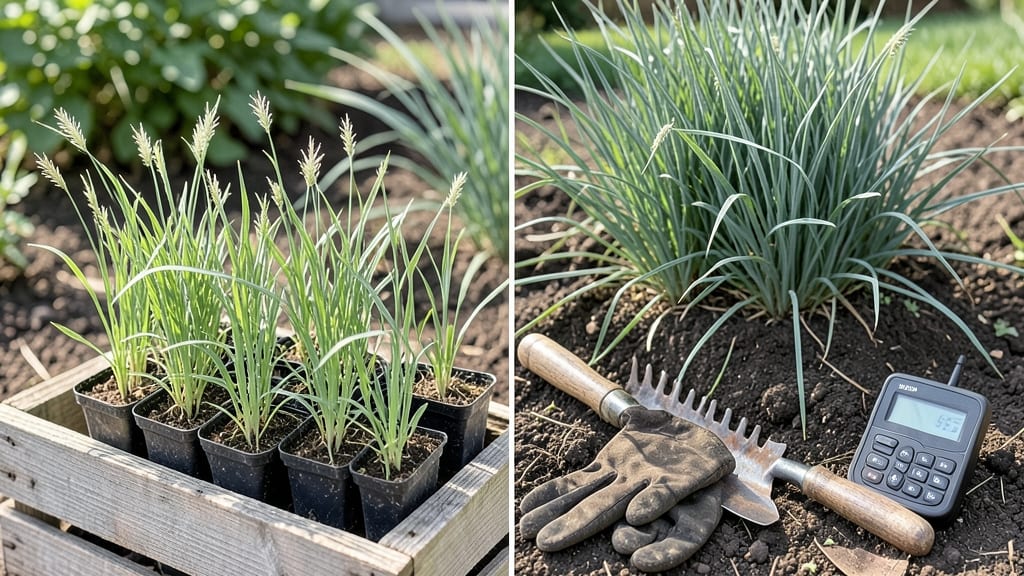
If you're dreaming of a lush, green fescue lawn in Kansas, timing is everything—plant too early or too late, and you’ll end up with weak roots and patchy growth.
The perfect window for planting this resilient grass isn’t just about the calendar; it’s about understanding your local climate, soil conditions, and even frost dates to give your 🌱 fescue the best shot at thriving.
Most Kansas gardeners swear by early fall planting (August through early September), when soil stays warm but temperatures cool enough to prevent stress. But spring planting (March to April) can also work—if you play it smart.
We’ll break down the pros and cons of each season, so you can choose the approach that fits your yard’s needs and your schedule.
Whether you’re a first-time planter or a seasoned gardener, getting the timing right means stronger root systems, faster establishment, and a lawn that stays vibrant through Kansas’ unpredictable weather. Ready to learn the exact steps to plant fescue for maximum success? Let’s dive in.
From soil prep to post-planting care, we’ll cover everything you need to know to turn your lawn into the envy of the neighborhood—starting with the best time to plant for your specific zone in Kansas.
Best time to plant fescue in Kansas: fall planting vs spring planting compared
Kansas’ cool-season climate creates a perfect window for planting tall fescue—but timing is everything. As a cool-season grass, fescue thrives when soil temperatures hover between 60°F and 75°F, giving you two ideal planting seasons: early fall and early spring.
Let’s break down which option works best for your Kansas lawn.
Fall planting is my top recommendation for Kansas gardeners. Why? Because fall’s mild temperatures and consistent rainfall give fescue seeds the perfect environment to germinate and establish deep root systems before winter dormancy. Spring planting is still viable, but summer’s intense heat and drought risks can stress young seedlings.
Here’s the key difference: Fall planting (August–early September) aligns with Kansas’ natural growing season, while spring planting (March–April) races against summer’s heat. Both seasons have pros and cons, so let’s compare them side by side to help you decide.
Fall Planting vs Spring Planting for Fescue in Kansas
| Factor | Fall Planting (Aug–Early Sept) | Spring Planting (March–April) |
|---|---|---|
| Ideal Soil Temp | 60°F–75°F | 55°F–65°F |
| Germination Speed | 7–14 days (faster with moisture) | 10–21 days (slower in cooler soil) |
| Establishment Time | 6–8 weeks before frost | 8–12 weeks before summer heat |
| Watering Needs | Moderate (natural rainfall helps) | High (spring drought risk) |
| Weed Competition | Low (cooler temps slow weeds) | High (spring weeds germinate fast) |
| Best For | Deep root growth, drought resistance | Repairing thin lawns, quick coverage |
For northern Kansas (USDA Zone 5b), aim to plant fescue by September 15 to ensure roots establish before the first frost (typically October 15). In southern Kansas (Zone 7a), you have a slightly longer window—plant by October 1 to avoid winter stress.
Spring planting in Kansas works best if you start by mid-March, giving seedlings time to grow before summer’s heat arrives. However, spring-planted fescue may struggle with weed competition and drought stress, so prioritize consistent watering and pre-emergent herbicides to protect young grass.
One critical factor I can’t overstate: soil temperature. Use a soil thermometer to confirm temps are ideal—fall soil cools faster than spring soil warms, so act quickly. If temps drop below 50°F, germination slows dramatically.
My personal recommendation? Plant in early fall for the strongest, most drought-resistant lawn. But if you missed fall, don’t panic—spring planting still delivers great results with proper care. Just be prepared for more frequent watering and weed control.
Next, let’s dive into a month-by-month planting timeline to help you pinpoint the exact dates for your Kansas region. Whether you’re in Wichita, Topeka, or Kansas City, these tips will keep your fescue thriving.
Best time to plant fescue in Kansas: fall planting vs spring planting compared
Choosing between fall and spring planting for your fescue lawn in Kansas depends on your local climate zone and how you want to manage growth. Most Kansas gardeners prefer fall planting because it allows the grass to establish roots before winter dormancy, giving it a head start in spring.
However, spring planting can also work if you’re prepared for hotter conditions later in the season.
In Kansas’ USDA Zones 5b-7a, the ideal fall planting window is from mid-August to early September, while spring planting should happen between mid-March and mid-April. These timelines align with soil temperatures and frost dates to ensure your fescue thrives without stress from extreme heat or cold.
The key difference lies in temperature management. Fall planting avoids the summer heat that can stress young seedlings, while spring planting risks drought conditions if planted too late. Let’s break down the pros and cons of each approach to help you decide what works best for your yard.
If you’re in northern Kansas (Zone 5b), aim for late August planting to give your fescue enough time to root before the first frost around mid-October. In southern Kansas (Zone 7a), you can push planting to early September since frost arrives later, around mid-October.
For spring planting, March is ideal—planting in April risks summer heat stress.
One major advantage of fall planting is that fescue grows slowly in cooler weather, reducing the need for frequent watering. In contrast, spring planting requires more attention to keep seedlings hydrated as temperatures rise.
However, spring planting can be a good option if you’re replacing an existing lawn and need quick coverage.
Regardless of when you plant, always test your soil for pH (ideal range: 6.0-7.0) and amend with compost or lime if needed. This step is critical for ensuring your fescue gets the nutrients it needs to thrive in Kansas’ variable climate.