
Plants
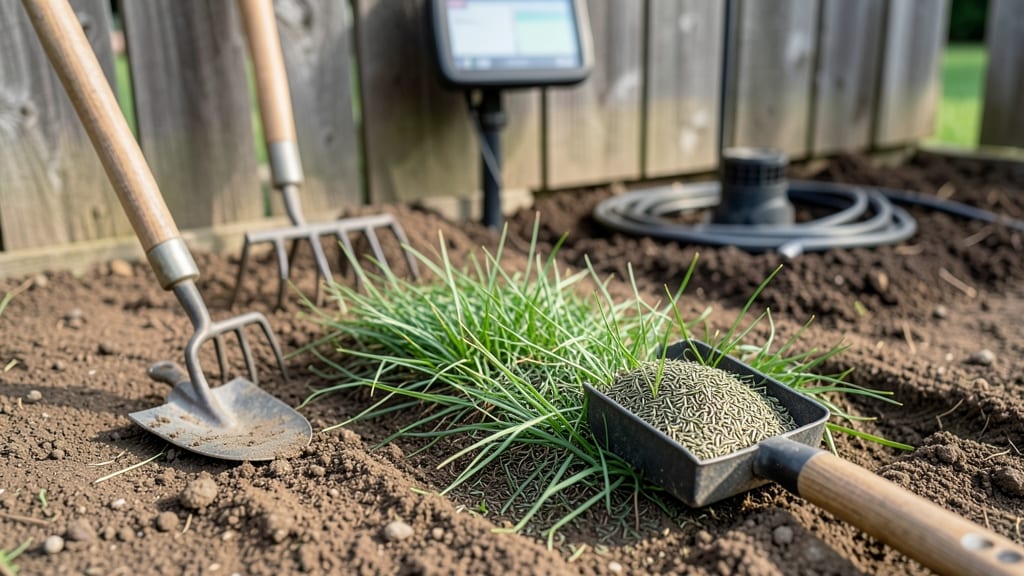
If you've ever stared at a patchy Oklahoma lawn and wondered "when is the best time to plant grass seed in Oklahoma", you're not alone. The difference between a lush green yard and a struggle with weeds often comes down to timing—something Oklahoma's unpredictable weather can make tricky.
Most gardeners know spring and fall are ideal, but in Oklahoma's 6a-8a zones, those windows can feel like moving targets. Too early, and your seedling 🌱 could fry in summer heat.
Too late, and winter dormancy sets in before roots establish. Let me show you the exact soil temperature and rainfall cues that separate success from disappointment.
We'll break down why early fall (September-October) often outperforms spring planting for Oklahoma lawns, plus how to prepare your soil for maximum germination. Spoiler: It's not just about throwing seed on dirt—it's about working with your climate, not against it.
Whether you're fixing bare spots or starting fresh, these insights will help you plant with confidence. Ready to transform that brown patch into something green? Let's get started.
Oklahoma’s ideal grass seed planting window: soil temperature & rainfall requirements
If you're ready to transform your Oklahoma lawn, timing is everything. Planting grass seed at the wrong time can lead to poor germination, wasted money, and months of frustration.
The key lies in understanding soil temperature, rainfall patterns, and how Oklahoma’s USDA zones 6a-8a influence your planting schedule. Let’s break down the perfect windows for success.
Oklahoma’s climate offers two prime planting seasons: early spring and early fall. These periods provide ideal soil temperatures (between 50°F and 65°F) and consistent moisture—critical factors for grass seed germination.
Skipping these windows means battling either scorching summer heat or winter dormancy, both of which stress young seedlings.
For spring planting, aim for March to early April when soil temperatures stabilize above 50°F. This gives seedlings time to establish roots before summer’s heat arrives. In contrast, fall planting (late September to October) allows grass to grow strong roots before winter dormancy sets in.
Both seasons avoid the extreme temperature swings that can shock young grass.
Now, let’s dive into the specifics with this quick-reference table covering soil temps, rainfall, and planting windows tailored to Oklahoma’s climate:
| Season | Ideal Months | Soil Temp Range | Rainfall Needs | Key Considerations |
|---|---|---|---|---|
| Spring | March–Early April | 50°F–65°F | 1–1.5 inches/week | Avoid late spring heat; use mulch to retain moisture. |
| Fall | Late September–October | 55°F–65°F | 1–1.25 inches/week | Plant 4–6 weeks before first frost; grass grows slower but stronger. |
| Summer | Avoid | Above 75°F | High evaporation; supplemental watering required | Seedlings struggle with heat stress; germination rates drop sharply. |
| Winter | Avoid | Below 40°F | Frozen soil; watering ineffective | Seedlings cannot establish; risk of frost damage. |
Oklahoma’s northern regions (USDA zones 6a-7a) tend to have cooler soils in spring, so you might push planting slightly earlier (late February). Meanwhile, southern Oklahoma (zones 7b-8a) can wait until mid-April for spring planting due to slower soil warming.
Always check your local last frost date—typically March 15 in northern OK and April 1 in the south—to time your planting perfectly.
Rainfall is another critical factor. Oklahoma’s spring showers provide natural moisture, but fall planting often requires supplemental watering, especially in western regions prone to drought. Aim for 1–1.5 inches of water per week (including rainfall) during germination.
Use a rain gauge or tuna can to measure accurately—many homeowners underestimate their lawn’s needs!
Pro tip: If you’re planting in late spring (May), choose heat-tolerant varieties like Bermuda grass and use shade cloth to protect seedlings from intense afternoon sun. For fall planting, focus on cool-season grasses like tall fescue to capitalize on cooler temps before winter.
One common mistake is assuming Oklahoma’s unpredictable weather means you can plant anytime. But soil temperature is non-negotiable—seeds won’t germinate below 50°F or above 75°F. Use a soil thermometer ($10 at garden centers) to confirm conditions before planting.
This small investment can save you hours of frustration and dozens of dollars in wasted seed.
Ready to take action? Start by testing your soil’s pH and moisture levels 2–3 weeks before planting. Aim for a pH of 6.0–7.0 and loosen the top 2–3 inches of soil with a rake or aerator.
This prep work ensures your grass seed has the best possible start—no matter which seasonal window you choose.
Oklahoma’s ideal grass seed planting window: soil temperature & rainfall requirements
Oklahoma’s 6a-8a climate zones create unique challenges for grass seed planting. The perfect window hinges on two critical factors: soil temperature and rainfall. Aim for 50-65°F soil temps—too cold, and germination stalls; too hot, and seedlings burn out.
My experience shows early fall (September-October) often outperforms spring here because summer heat arrives faster than expected.
For spring planting, target March-April when daytime highs stabilize above 60°F. This gives seedlings time to establish before Oklahoma’s 100°F+ summers arrive. Fall planting, however, offers cooler temps and consistent rainfall—ideal for root development before winter dormancy.
Here’s the golden rule: Plant when average daily temps are between 60-75°F and rainfall averages 1 inch per week. Oklahoma’s September-October typically delivers both, while April-May can be hit-or-miss due to unpredictable spring showers.
| Season | Ideal Planting Months | Soil Temp Range (°F) | Rainfall Needs | Key Consideration |
|---|---|---|---|---|
| Spring | March-April | 50-65°F | 1-1.5" weekly | Avoid planting after May 15—heat stress risks rise sharply. |
| Fall | September-October | 55-70°F | 0.75-1.25" weekly | Best for cool-season grasses—roots establish before winter. |
| Avoid | June-August | Above 75°F | Irregular | Seedlings burn out in Oklahoma’s summer heat. |
Pro tip: Use a soil thermometer to verify temps before planting. I’ve seen March soil temps in Oklahoma’s panhandle drop below 50°F overnight—wait until daytime highs consistently stay above 60°F. For warm-season grasses like Bermuda, push planting to late April-May when soil warms to 70°F+.
Oklahoma’s northern regions (6a) should plant 2 weeks earlier than southern areas (7b-8a). Check your last frost date (typically March 15 in the north, April 15 in the south) and plant 4-6 weeks before to account for slow germination in cooler soils.
Don’t overlook rainfall patterns. Oklahoma’s September-October often brings steady showers, reducing irrigation needs. For spring planting, have a drip irrigation system ready—unpredictable April showers can leave seedlings thirsty. Aim for 1 inch of water per week after planting, either from rain or supplemental watering.