
Plants
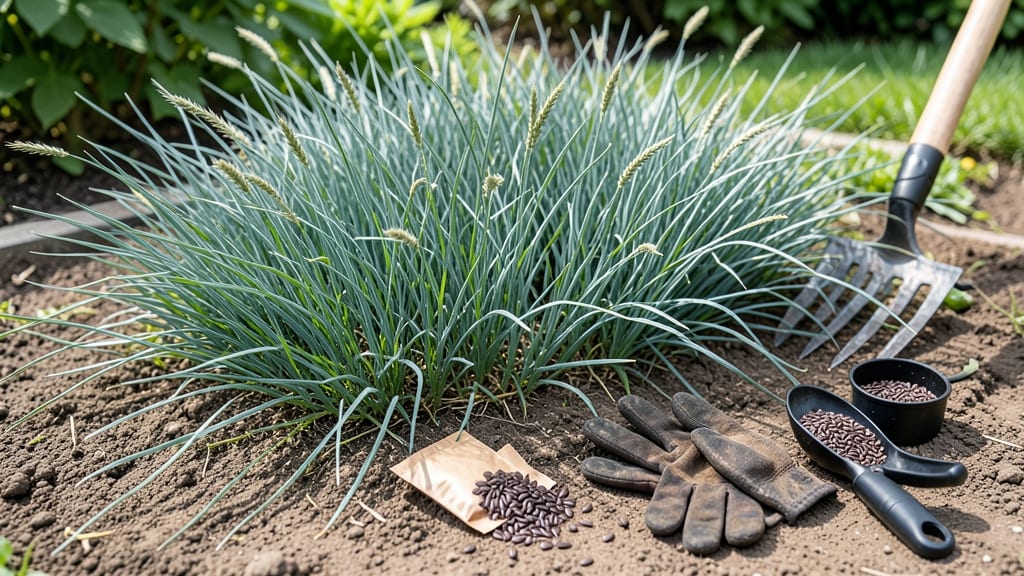
If you're asking "when do you plant rye grass in Texas", the answer depends on where you live—because North Texas and South Texas have wildly different frost dates that dictate the perfect window.
Plant too early, and frost will wipe out your 🌾 rye grass before it takes hold; too late, and summer heat will stunt its growth before winter sets in.
For most of Texas, the ideal time to plant 🌾 rye grass falls between September and November, giving it 4-6 weeks to establish strong roots before the first frost hits.
But in North Texas (zones 7b-8a), you’ll want to start by early October, while South Texas gardeners (zones 9a-10a) can push planting into late November without worry.
Why does this matter? Because 🌾 rye grass thrives as a cover crop or forage, but it needs the right conditions to survive Texas’s unpredictable weather. Whether you're in Dallas, Austin, or Houston, getting the timing right means healthier soil, better erosion control, and a stronger lawn come spring.
I’ll break down the exact frost-free windows for your region, plus pro tips to ensure your 🌾 rye grass grows lush and resilient—no matter where in Texas you’re planting. Let’s get started.
Texas rye grass planting dates by frost zone (North vs south)
Texas’s diverse climate zones mean your rye grass planting window can shift by weeks—even months—from the Panhandle to South Texas.
In North Texas (Dallas/Fort Worth), where first frosts arrive November 15, you’ll want to plant rye grass by October 15 to give seedlings time to establish before winter.
Meanwhile, in South Texas (Houston/San Antonio), where frost rarely hits before December 15, you can plant as late as November 1—or even push into early December in sheltered microclimates.
The key is soil temperature: rye grass germinates best when soil is between 50°F and 70°F. In Central Texas (Austin), this typically aligns with September-October, while North Texas may need to start in late August to avoid heat stress.
For spring planting (less common but possible), aim for February-March—but be prepared for summer heat to stress young plants.
Microclimates matter too. Urban areas like Dallas have warmer microclimates than rural North Texas, while hill country regions near Austin can experience earlier frosts than coastal Galveston. Always check local frost dates from sources like the Texas A&M AgriLife Extension to fine-tune your timing.
🌾 Texas Rye Grass Planting Window by Region
| Region | First Frost | Ideal Planting Window | Soil Temp for Germination | Key Consideration |
|---|---|---|---|---|
| North Texas (Dallas, Fort Worth) | Nov 15 | Aug 20 - Oct 15 | 50°F - 70°F | Avoid late summer heat |
| Central Texas (Austin, Waco) | Dec 1 | Sep 1 - Nov 1 | 55°F - 68°F | Hill country gets frost earlier |
| South Texas (Houston, San Antonio) | Dec 15 | Sep 15 - Nov 15 | 60°F - 75°F | Coastal areas can plant later |
| West Texas (Lubbock, Midland) | Nov 1 | Aug 1 - Sep 30 | 50°F - 65°F | Extreme heat in summer |
For North Texas gardeners, late August is your last chance to plant before summer heat (above 90°F) becomes lethal to young seedlings. I’ve seen rye grass seeds planted in mid-September in Dallas thrive when given consistent moisture and morning shade during the hottest afternoons.
In Central Texas, October is prime time—cooler temps and longer daylight speed up germination.
If you’re in South Texas, don’t rush—November planting is common, and some gardeners even oversow in December for early spring greening. The coastal bend near Beaumont can push planting into early January with row covers to protect against rare frosts.
Just remember: rye grass won’t tolerate summer heat, so spring planting is risky unless you’re in shaded microclimates.
One Texas-specific tip: Clay soils (common in East Texas) can delay germination by 5-7 days due to poor drainage. If your soil is heavy clay, amend with compost or plant in raised beds to improve water absorption.
I’ve had rye grass fail in unamended clay even with perfect timing—soil prep matters just as much as planting dates.
For spring planting (if you missed fall), February is your best bet in North and Central Texas. Wait until March in South Texas to avoid late-winter freezes.
But be warned: summer heat will stress young plants, so mulch heavily and water deeply to encourage deep root growth before the 100°F+ temperatures hit.
Pro tip: Use a soil thermometer to confirm germination-ready temps. I planted rye grass in Austin in late October one year, only to watch it sit dormant for weeks because soil temps hovered at 48°F. Waiting until November when temps hit 55°F made all the difference.
Finally, <
Texas rye grass planting dates by frost zone (North vs south)
Texas’s diverse climate zones mean your rye grass planting window depends on where you live. In North Texas (Dallas/Fort Worth), the first frost typically hits by November 15, while South Texas (Houston/San Antonio) can wait until December 15.
This creates a 4-6 week difference in ideal planting times.
For fall establishment, aim to plant 4-6 weeks before frost. In North Texas, that’s mid-September to early October, while Central Texas can plant until late October, and South Texas gardeners have until November.
Spring planting should happen by late February to early March before summer heat arrives.
Soil temperature is just as critical as frost dates. Rye grass germinates best when soil temps are between 50°F and 70°F. In North Texas, soil cools to this range by mid-September, while South Texas may need to wait until October due to lingering summer heat.
Microclimates matter too! Cities like Austin and San Antonio experience hotter urban heat islands, which can delay soil cooling. If you’re in a warmer microclimate, plant 2-3 weeks later than the general guidelines to avoid heat stress on seeds.
| Region | First Frost | Ideal Planting Window | Soil Temp for Germination | Key Consideration |
|---|---|---|---|---|
| North Texas (Dallas/Fort Worth) | Nov 15 | Mid-Sept to Early Oct | 50°F-70°F (by mid-Sept) | Earlier frost risk; plant sooner |
| Central Texas (Austin/San Antonio) | Dec 1 | Late Sept to Late Oct | 50°F-70°F (by Oct) | Urban heat delays soil cooling |
| South Texas (Houston) | Dec 15 | Late Sept to Nov | 50°F-70°F (by Oct-Nov) | Longer growing season; later planting possible |
Spring planting is trickier in Texas due to rapid summer heat. Rye grass won’t tolerate consistent temps above 90°F, so late February to early March is your last chance. In North Texas, this window is tighter—plant by February 15 to avoid heat stress.
Pro tip: Use a soil thermometer to confirm temps before planting. If soil is still above 75°F, wait another week. In dry years, irrigation may be needed to cool soil faster for earlier planting.