
Plants
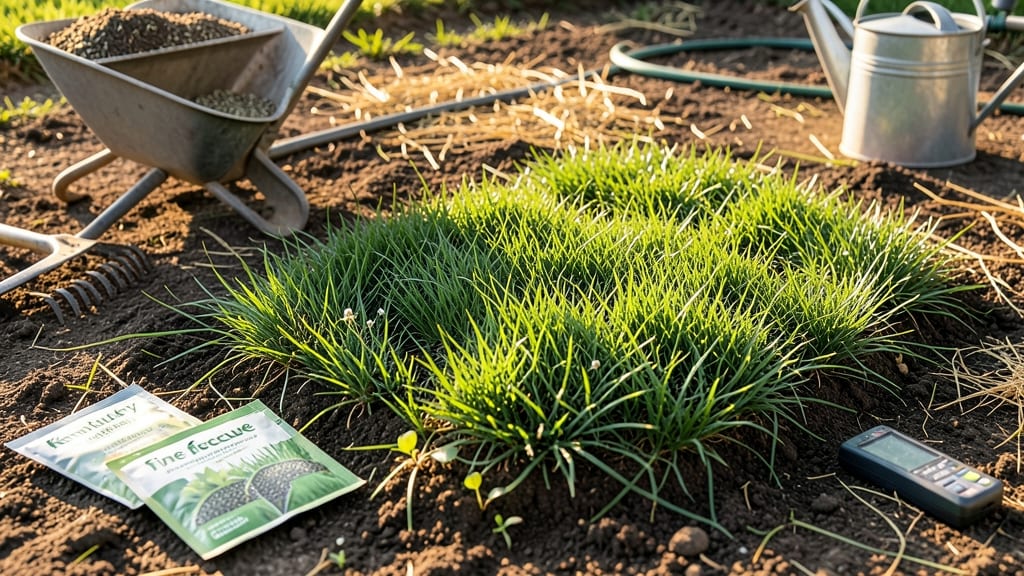
If you’ve ever planted grass seed in Massachusetts only to watch it wither under a sudden frost or struggle in scorching summer heat, you know timing is everything for that lush, green lawn you’re after.
The best time to plant grass seed in Massachusetts isn’t just about picking a season—it’s about syncing with your hardiness zone, soil temperatures, and frost dates to give your grass the fighting chance it needs.
Most gardeners in zones 5b-6b swear by early fall or spring, but here’s the catch: planting too early in spring risks frost damage, while waiting too late in fall leaves your lawn vulnerable to winter weeds.
I’ll break down the exact frost-free windows for your specific zone, so you can plant with confidence and avoid common pitfalls like patchy germination or wasted seed.
Whether you’re prepping for a cool-season variety like Kentucky Bluegrass or tackling a high-traffic lawn, the right timing can mean the difference between a thick, vibrant carpet and a frustrating do-over. Let’s dive into the science behind Massachusetts’ planting windows—and how to prep your soil for success.
From testing soil pH to adjusting for clay-heavy ground, I’ll walk you through the critical steps to ensure your grass seed takes root when it counts. Ready to transform your lawn? Let’s get started.
Massachusetts frost-free planting windows by hardiness zone: exact dates for best grass seed germination
Massachusetts spans USDA hardiness zones 5b-6b, which means frost dates vary dramatically from the Berkshires to Cape Cod. For cool-season grasses like Kentucky Bluegrass and Fescue, timing is critical—plant too early, and frost will kill seedlings; too late, and weeds take over.
The sweet spot? 4-6 weeks before your first frost in fall or after the last frost in spring.
Most of Massachusetts sees its last frost between April 15-30, while the first frost arrives mid-October. Southern MA (like Boston) has a slightly longer growing season, while northern regions (like North Adams) need to plant earlier in spring and later in fall.
Let’s break it down by zone so you can pinpoint your perfect window.
🌱
Massachusetts Grass Planting Windows by Zone
| Zone | Last Frost Date | First Frost Date | Best Spring Planting Window | Best Fall Planting Window | Soil Temp Threshold |
|---|---|---|---|---|---|
| 5b (Northwest MA) | April 20-25 | October 10-15 | Late April–Early May | Mid-September–Early October | 55°F (13°C) |
| 6a (Central MA) | April 15-20 | October 15-20 | Early April–Mid-May | Late August–Mid-October | 55°F (13°C) |
| 6b (Southeast MA) | April 1-10 | October 25-November 1 | Mid-March–Early May | Late August–Late October | 55°F (13°C) |
Source: USDA Plant Hardiness Zone Map & MA Climate Data
For northern MA (zone 5b), aim for late April to early May in spring or mid-September to early October in fall. In southern MA (zone 6b), you can start as early as mid-March in spring or push into late October in fall.
Always check a local frost calendar—like the one from the National Weather Service—for real-time updates.
Soil temperature is just as critical as air temperature. Grass seeds need soil that’s at least 55°F (13°C) to germinate. Use a soil thermometer to check—if it’s cooler, wait a few more weeks.
In spring, this usually aligns with late April to early May; in fall, it’s September to early October.
Pro tip: If you’re planting tall fescue, it’s more cold-hardy and can handle slightly earlier spring plantings, while Kentucky Bluegrass thrives in the cooler fall months. Match your seed variety to your zone and timeline for best results.
🌿
One common mistake I see is planting too early in spring when the soil is still cold. Seedlings struggle to establish roots in chilly, wet conditions, leading to weak growth and disease.
Similarly, planting too late in fall leaves grass vulnerable to winter kill. The 4-6 week buffer before frost gives roots time to anchor before winter sets in.
For extra peace of mind, use a seed germination calculator or check the MA Department of Agricultural Resources for yearly updates. They track frost dates and can help you adjust your schedule if you’re in a transition zone.
✂️
Spring vs. fall planting: which season wins for Massachusetts lawns (and why)
Deciding between spring and fall planting in Massachusetts can feel like choosing between two equally tempting options—but each season brings unique advantages (and challenges) for your lawn.
Most Massachusetts gardeners lean toward fall planting because it gives grass roots a head start before winter dormancy, but spring planting has its own perks, especially if you’re starting from scratch or repairing a damaged lawn.
For cool-season grasses like Kentucky Bluegrass and Fescue—common choices in MA—fall planting is often the gold standard. The 60-day window before the first frost (typically September to early October) allows seeds to germinate, establish roots, and strengthen before winter.
This early growth gives your lawn a competitive edge over weeds and ensures a thicker, greener lawn by next spring.
But don’t count out spring planting! If you missed the fall window or are dealing with bare patches, planting in late April to early May can still yield great results.
The key is ensuring the soil is at least 55°F (13°C) and that you’ve prepped the area thoroughly to avoid common pitfalls like uneven germination or drought stress during Massachusetts’ unpredictable spring weather.
Here’s the breakdown of what works best for each season—and why one might be the right fit for your lawn’s needs.
Spring Planting: Pros and Cons
- Ideal for new lawns or large repairs (more time to establish before summer heat).
- Warmer soil speeds up germination (visible growth in 7–14 days).
- Less competition from winter weeds compared to fall.
- Risk of late frosts (especially in Zone 5b).
- Summer heat can stress young seedlings if not watered consistently.
- Weeds may outcompete grass if soil isn’t prepped properly.
On the other hand, fall planting is often the safer bet for Massachusetts homeowners. The cooler temperatures reduce water stress on seedlings, and the longer daylight hours encourage robust root growth.
Plus, fall-planted grass enters winter with a stronger root system, making it more resilient to drought and foot traffic once spring rolls around.
If you’re torn between seasons, consider your lawn’s current state: Fall is best for overseeding or thinning patches, while spring is ideal for starting from scratch.
Either way, the secret to success lies in soil prep—whether you’re planting in March or October, your grass will thank you for a little extra care upfront.
Ready to dive deeper into pre-planting prep? Let’s tackle the critical