
Plants
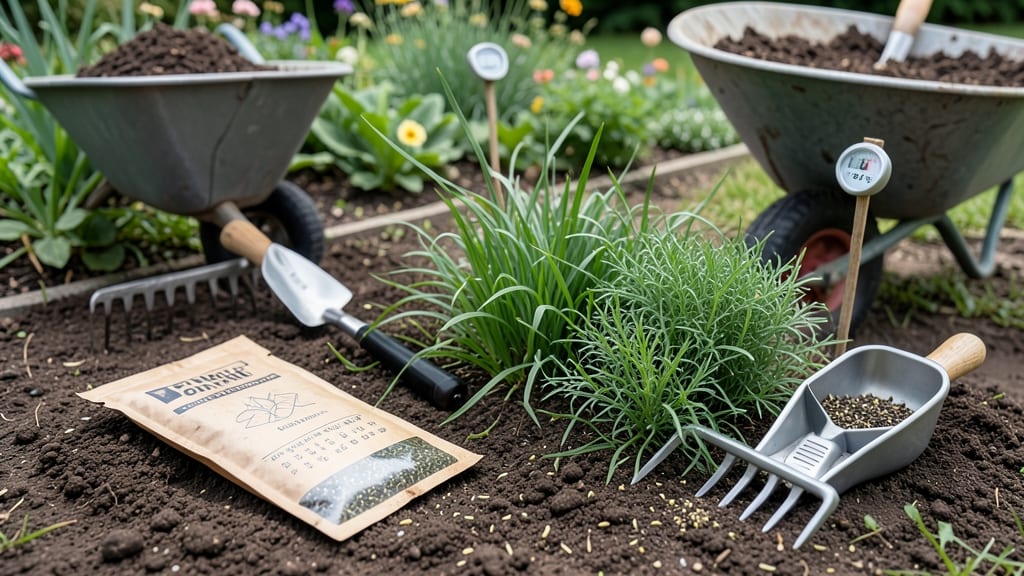
If you’ve ever stared at a patchy Wisconsin lawn wondering when is the best time to plant grass in Wisconsin, timing might be the missing piece.
The best time to plant grass in Wisconsin isn’t just about the calendar—it’s about soil temperature, frost dates, and your specific USDA zone.
Wisconsin’s 4b-6a climate means your northern lawn behaves differently than your southern neighbor’s. Plant too early, and frost will kill new shoots; too late, and weeds steal the show. But nail the frost-free window, and you’ll see thick, green grass within weeks.
Whether you’re seeding in early spring or fall, I’ll break down the exact months to plant based on your zone, plus pro tips to beat Wisconsin’s unpredictable weather. No more guessing—just a lush lawn you can count on.
Ready to transform your yard? Let’s dive into the science-backed timing that works for Wisconsin’s unique growing conditions.
Wisconsin’s ideal grass planting windows by USDA Zone (with exact dates)
Timing your grass planting in Wisconsin isn’t just about avoiding frost—it’s about matching your seed to the soil temperature and USDA Zone. Most of Wisconsin falls in Zones 3-5, where early spring and fall offer the best windows.
Plant too early, and frost will kill tender seedlings. Wait too long, and weeds will outcompete your grass.
For precise timing, check the last frost date in your area (typically mid-April to early May) and aim to plant when soil temps hit 50–65°F. Fall planting works too—just finish by mid-September to early October before the first frost (mid-October to early November).
Northern Wisconsin (Zone 3-4) has a shorter growing season, while southern areas (Zone 5) enjoy a longer window. Always verify local frost data from sources like the National Weather Service or Old Farmer’s Almanac to avoid costly mistakes.
Here’s a breakdown of the best planting windows by USDA Zone, including soil temperature thresholds and key deadlines:
| USDA Zone | Ideal Planting Window | Soil Temp Threshold | Last Frost Date | First Frost Date |
|---|---|---|---|---|
| Zone 3 (North) | Late April–Early May OR Mid-September |
50–55°F | Mid-May | Late September |
| Zone 4 (Central) | Early April–Late May OR Early September–Mid-October |
50–60°F | Early May | Mid-October |
| Zone 5 (South) | March–Early June OR August–Late October |
55–65°F | Early May | Early November |
Zone 3 gardeners should prioritize fall planting—the cooler temps reduce weed pressure and give grass time to establish roots before winter. Meanwhile, Zone 5 areas can stretch their window into early June for warm-season grasses like Bermuda or Zoysia, though these are less common in Wisconsin.
Pro tip: Use a soil thermometer (available for ~$10) to confirm temps before planting. If your soil is still chilly, wait—cold soil slows germination and invites disease. Patience here saves you from replanting later.
Urban vs. rural areas also play a role. Cities like Milwaukee (Zone 5) experience urban heat islands, which can extend the spring window by 1–2 weeks. Rural spots in northern Wisconsin may need to wait until after Mother’s Day (May 10–14) to be safe.
For cool-season grasses (like Kentucky Bluegrass or Fescue), aim for late August to mid-September in Zone 4–5. These grasses thrive in cooler weather and establish roots before winter dormancy. Warm-season grasses, if used, should go in late May to early June.
Remember: Watering schedules change post-planting. Keep soil consistently moist (not soggy) for the first 2–3 weeks—this is critical for germination. Use a sprinkler or drip irrigation to avoid washing away seed.
🌱
Spring vs. fall grass planting in Wisconsin: which works best for your lawn type?
Wisconsin’s cool-season climate makes both spring and fall viable options for planting grass, but each season offers unique advantages—and challenges. For most Wisconsin lawns, fall planting (late August to early October) is the gold standard, but spring planting (mid-April to early June) can work if you act fast.
The right choice depends on your grass type, local microclimate, and how much time you’re willing to invest in post-planting care.
Cool-season grasses like Kentucky bluegrass, tall fescue, and perennial ryegrass dominate Wisconsin lawns. These varieties thrive in fall’s mild temperatures and shorter days, which encourage deep root growth before winter.
Warm-season grasses like zoysia or buffalo grass (less common in WI) prefer summer heat, but they’re not ideal for most of the state’s climate.
🌱 Spring Planting: Pros & Cons
- Longer growing season for establishment
- Easier to spot weeds early
- No fall frost risk
- Competes with spring weeds (crabgrass)
- Requires consistent watering during dry spells
- Higher seed cost due to demand
Fall planting, however, gives your grass a 6-8 week head start before winter dormancy. The soil stays warm while air temperatures drop, creating perfect conditions for root development. September and early October are ideal—plant too late (after mid-October), and new growth may not harden off before frost.
In southern Wisconsin (Zones 5a-5b), you can push planting into early November if soil temps stay above 50°F.
Your local microclimate plays a huge role. Urban areas with heat islands (like Madison or Milwaukee) may have earlier last frosts than rural zones, while northern WI (Zones 3-4) faces shorter frost-free windows. Check the USDA Plant Hardiness Zone Map and your local cooperative extension office for precise deadlines.
For example, Green Bay (Zone 4b) should aim for late August to early September, while La Crosse (Zone 5a) can extend to mid-October.
If you choose spring planting, prioritize weed control—pre-emergent herbicides in early April can prevent crabgrass. For fall planting, focus on soil prep in August: aerate compacted areas and top-dress with compost to improve drainage.
Both seasons require 1 inch of water weekly for the first 4-6 weeks post-planting, but fall’s cooler temps reduce evaporation, making watering slightly easier.
Pro tip: Test your soil pH before planting—Wisconsin’s clay-heavy soils often need lime (to raise pH) or sulfur (to lower pH). Aim for a pH of 6.0–7.0 for cool-season grasses.
If your lawn already has bare patches, consider overseeding in fall instead of full reseeding to save time and money.