
Plants
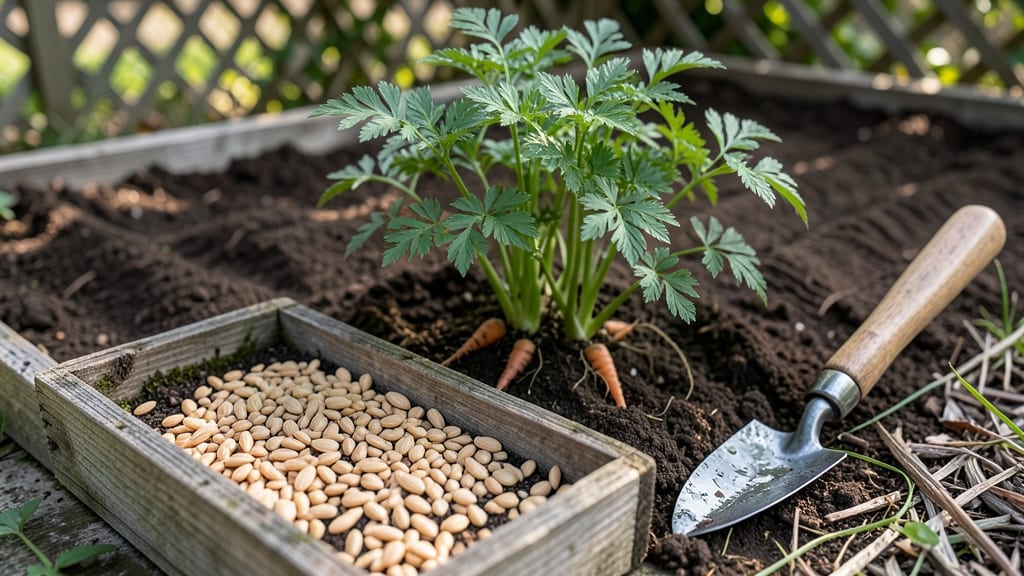
Timing your spring carrot planting can make all the difference between a thriving garden and wasted effort. With 🥕 seeds needing 60-80 days to mature, getting them in the ground too early risks frost damage, while planting too late cuts your harvest short.
In USDA Zone 6a, where frost often lingers until mid-April, knowing the perfect window is key to success.
Most gardeners aim to plant carrots 2-4 weeks before the last expected frost date, but soil temperature matters just as much. Cold ground slows germination, so wait until temperatures consistently stay above 45°F—a simple soil thermometer check makes this easy.
This timing ensures your seeds sprout quickly and grow strong before summer heat arrives.
If you're in a cooler region, don't panic—there are smart ways to extend your growing season. Using row covers or cold frames can push your planting window earlier, giving you an extra harvest before fall frost.
The goal is simple: balance timing with your local climate to maximize those sweet, crisp roots you'll be pulling from the soil in just a few months.
Ready to dig in? I'll walk you through the exact steps to prepare your soil, space seeds properly, and avoid common mistakes that ruin timing. Let's get those carrots growing like a pro!
Optimal carrot planting dates by USDA zone: avoid frost damage
Getting your carrot seeds in the ground at the right time ensures strong germination and healthy growth. Since carrots are sensitive to frost, planting too early can damage tender seedlings.
But waiting too long risks bolting (premature flowering) or stunted roots. The key is aligning your planting with your USDA zone and last frost date.
Most carrot varieties thrive when soil temperatures reach 50°F (10°C)—a threshold that varies by region. In cooler zones (3-5), you’ll need to start seeds indoors or use protective covers.
Meanwhile, gardeners in warmer zones (7-10) can plant earlier. Let’s break down the ideal planting windows for each zone to help you avoid frost damage and maximize your harvest.
🌱
| USDA Zone | Last Frost Date | Early Planting Window | Mid-Season Planting | Late Planting Window |
|---|---|---|---|---|
| Zones 3-4 | Mid-May | Start indoors 8-10 weeks before last frost | Direct sow after last frost (early June) | Succession plant every 2 weeks until July |
| Zones 5-6 | Mid-April | Direct sow 2-3 weeks before last frost (late March) | Main planting in early April | Succession plant until mid-June |
| Zones 7-8 | Mid-March | Direct sow in late February | Main planting in March-April | Succession plant until early July |
| Zones 9-10 | None (winter-friendly) | Direct sow in January-February | Main planting in March-April | Succession plant until August |
🌡️ Pro Tip: Use a soil thermometer to confirm 50°F+ before planting.
If you’re unsure about your last frost date, check your local Cooperative Extension Service or use online tools like the National Gardening Association’s Frost Calculator. These resources provide hyper-local data to refine your planting schedule.
For example, a gardener in Zone 5 with a last frost date of April 15 should aim to plant seeds by April 1 to avoid frost damage.
For succession planting, sow seeds every 2-3 weeks after your initial planting. This staggered approach ensures a continuous harvest and reduces the risk of overcrowding.
Carrots need about 60-80 days to mature, so timing your last planting 8-10 weeks before your first frost date guarantees a fall harvest before cold sets in.
In regions with short growing seasons, opt for early-maturing varieties like ‘Paris Market’ (58 days) or ‘Early Nantes’ (60 days). These varieties tolerate cooler soils and still deliver sweet, crisp roots. Meanwhile, longer-season varieties like ‘Danvers’ (75 days) or ‘Chantenay’ (80 days) thrive in warmer zones with extended summers.
🌿
Another critical factor is soil temperature. Carrot seeds germinate poorly in cold soil (<45°F or 7°C). To speed up germination, use black plastic mulch or plant in a warm bed where soil heats up faster. You can also cover seeds with a clear plastic dome until sprouts emerge—just remove it once seedlings appear to prevent overheating.
Finally, avoid planting carrots in heavy clay soil or areas with rocks, as these conditions cause forked or stunted roots. Instead, amend your soil with compost and sand to create loose, crumbly beds.
Loose soil also makes thinning seedlings easier—a necessary step to prevent competition and ensure straight, uniform carrots.
By following these zone-specific guidelines, you’ll give your carrots the best possible start. The right timing not only protects your investment but also sets the stage for a bountiful, flavorful harvest all season long.
☀️
Optimal carrot planting dates by USDA zone: avoid frost damage
Getting your carrot planting timing right in spring depends entirely on your USDA zone and last frost date. Carrots are cold-tolerant but won't germinate well in freezing soil—aim for 40-50°F soil temperatures for best results.
Most gardeners plant 2-4 weeks before the last frost, but this varies dramatically from Zone 3 to Zone 10.
In colder regions like Zones 3-5, you might start seeds indoors 6-8 weeks before last frost or use cold frames for early outdoor sowing.
Meanwhile, gardeners in Zones 7-10 can plant directly into the garden as early as February or March, often enjoying multiple harvests before summer heat sets in.
🌱 Carrot Planting Timeline by USDA Zone
| Zone | First Planting Window | Soil Temp Requirement | Success Tip |
|---|---|---|---|
| 3-4 | Late April - Early May | 45-50°F | Use row covers for early starts |
| 5-6 | Mid-April - Late May | 40-50°F | Sow successionally every 2 weeks |
| 7-8 | February - March | 50-60°F | Plant early for fall harvests |
| 9-10 | January - February | 55-65°F | Choose heat-tolerant varieties |
Note: Adjust for your local last frost date - check the National Weather Service or Plant Maps app for precise timing.
To pinpoint your exact planting window, check your local frost dates and count backward from the last frost date. For example, if your last frost is May 10, aim to plant 4-6 weeks before—around April 1-15.
Always test your soil temperature with a thermometer before planting; carrots need consistent warmth to germinate properly.
Pro tip: Plant short-season varieties like 'Paris Market' or 'Little Finger' for earliest harvests, while longer varieties like 'Danvers' or 'Nantes' can handle slightly cooler soils. Just remember—overly cold soil causes poor germination, while waiting too long risks summer bolting. Balance is key!
For gardeners in Zones 3-6, consider succession planting every 2 weeks through June to extend your harvest window. This ensures a steady supply of fresh carrots without overwhelming your garden at once. Always keep seeds moist but not soggy until germination—typically 10-21 days depending on variety and conditions.
Don't forget: Carrots thrive in loose soil—work in compost before planting to prevent forked roots. Thin seedlings to 2-3 inches apart once they're 2 inches tall to give them room to grow.
With the right timing and soil prep, you'll be harvesting crisp, sweet carrots in 60-80 days!