
Plants
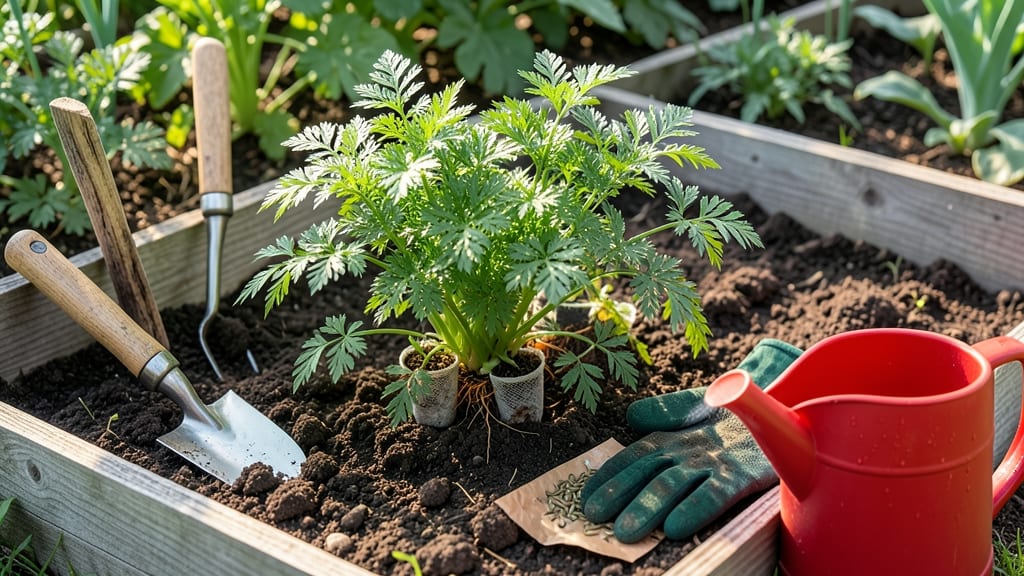
Timing your carrot planting in Nebraska isn't just about following a calendar—it's about outsmarting the 5b-6a climate where a single late frost or early heatwave can turn your crop into a flop.
Whether you're in Omaha's urban gardens or the High Plains' dry fields, getting those seeds in the ground at the right moment means the difference between sweet, crisp 🥕 harvests and bitter, woody failures.
Most Nebraska gardeners swear by two planting windows: early spring when the soil warms to 50°F and late summer when temperatures start cooling. But here's the catch—your exact dates depend on whether you're in Zone 5b (where frosts linger longer) or 6a (with slightly milder springs).
Miss the window, and you risk bolting carrots or stunted growth from Nebraska's notorious drought conditions.
I've tested these strategies for years, and what works isn't just about dates—it's about preparing your soil, choosing the right varieties, and knowing when to protect your plants from Nebraska's unpredictable weather swings.
Let me walk you through the exact planting schedule that's actually worked for local farmers and home gardeners alike.
By the end, you'll know not just when to plant, but how to stretch your harvest season from June through November—even in Nebraska's challenging climate. Ready to grow carrots that actually thrive?
Optimal carrot planting dates in Nebraska by USDA Zone 5-6
Nebraska’s USDA Zones 5b-6a create a 160-day frost-free window—just enough time to grow sweet, crisp carrots if you time your planting right.
The key is planting 4-6 weeks before your last frost date (typically mid-April in Omaha and Lincoln) and avoiding the heat of summer, which can cause bolting or woody roots.
For most of Nebraska, early spring (March-April) and late summer (July-August) are your best bets. Rural areas in the Panhandle (Zone 5b) may need to start 2-3 weeks earlier to beat frost, while eastern Nebraska (Zone 6a) can extend planting slightly later.
Always check your local frost dates—they vary by just a few days across the state.
Here’s how to calculate your exact window: Subtract 60 days (carrots’ minimum maturity time) from your first frost date (mid-October). This gives you a late July cutoff for summer planting. For spring, aim for March 15-April 15 to ensure harvest before summer heat sets in.
| Planting Window | USDA Zone 5b (Panhandle) | USDA Zone 6a (Omaha/Lincoln) | Key Notes |
|---|---|---|---|
| Spring Planting | March 1–April 1 | March 15–April 15 | Soil must reach 50°F+ for germination. |
| Fall Planting | July 15–August 1 | July 20–August 10 | Harvest before first frost (mid-October). |
| Soil Temp | 50–60°F | 50–60°F | Use a soil thermometer—carrots won’t sprout below 50°F. |
| Frost Risk | High (late April) | Moderate (mid-April) | Use row covers if planting early. |
In Omaha and Lincoln (Zone 6a), the last frost date is around April 15, giving you a 160-day growing season. Plant Nantes or Paris Market varieties in early April for a June-July harvest before summer heat arrives.
For a fall crop, sow seeds by July 20 to harvest before frost in October.
Rural areas like Scottsbluff (Zone 5b) have a shorter season—plant 2 weeks earlier (late March) and choose fast-maturing varieties like ‘Early Nantes’ (50 days). Avoid planting after July 15 in these areas, as roots may not mature before frost. Always test your soil temperature—carrots need 50°F+ to germinate.
Pro tip: Use succession planting every 2 weeks in spring to stagger harvests. Sow a small batch every 10 days until mid-May for a continuous supply. This works especially well in eastern Nebraska, where summers are hotter and shorter.
If you’re in western Nebraska (High Plains), watch for drought conditions. Carrots need consistent moisture—mulch heavily to retain soil moisture and prevent forking. In sandy soils (common in the Panhandle), mix in compost to improve water retention.
For container gardening, start seeds indoors 4-6 weeks before your last frost and transplant seedlings when soil is 55°F+. Use deep pots (12+ inches) to accommodate long roots. Containers dry out faster, so water daily in summer and use a moisture meter to avoid over- or under-watering.
Remember: Carrots hate heat. If temperatures exceed 80°F for prolonged periods, they’ll bolt (go to seed) or develop woody, bitter roots. Plan your planting to avoid June-July heat—this is why spring and fall crops work best in Nebraska.
Optimal carrot planting dates in Nebraska by USDA Zone 5-6
Nebraska’s USDA Zones 5b-6a offer a 160-day frost-free window, but timing your carrot planting correctly is key to avoiding frost damage or bolting from heat. In most areas, the last spring frost arrives around mid-April, while the first fall frost hits by mid-October.
This means your best windows are early spring (March-April) and late summer (July-August) for a fall harvest.
For Omaha and Lincoln, aim to plant carrots 2-3 weeks after your last frost date—typically late April to early May. Rural areas in the Panhandle or western Nebraska may have slightly earlier frost dates, so adjust by 1-2 weeks.
Always check your local Almanac frost predictions or use a frost-free calculator for precision.
🌱Pro Tip: Use a soil thermometer—carrot seeds need soil temps above 50°F (10°C) to germinate. In Nebraska, this usually aligns with late April to early May for spring planting.
| Planting Window | USDA Zone 5b | USDA Zone 6a | Notes |
|---|---|---|---|
| Spring Planting | Late April - Early May | Early April - Mid-May | Plant 2-3 weeks after last frost; use row covers if frost threatens. |
| Fall Planting | Mid-July - Early August | Late June - Mid-July | Aim for 8-10 weeks before first frost; harvest before soil temps drop below 50°F. |
| Succession Planting | Every 2-3 weeks until June | Every 2-3 weeks until July | Extend harvest with weekly sowings; stop by mid-July for fall crops. |
If you miss the spring window, don’t worry—fall planting works well in Nebraska. Start seeds in mid-July for a late October harvest before hard frosts set in. Short-day varieties like ‘Danvers’ handle Nebraska’s summer heat better than long-day types, so choose wisely.
For high-altitude areas (e.g., western Nebraska), push planting dates 1-2 weeks later due to cooler temps. Always test your soil—carrots thrive in loose, well-draining soil with a pH of 6.0-7.0. Amend heavy clay soil with compost or sand to prevent forking.
✂️Key Takeaway: Nebraska’s two planting windows—spring (April-May) and fall (July-August)—are your best bets. Use succession planting and cold frames to stretch your harvest season and beat Nebraska’s unpredictable weather.