
Plants
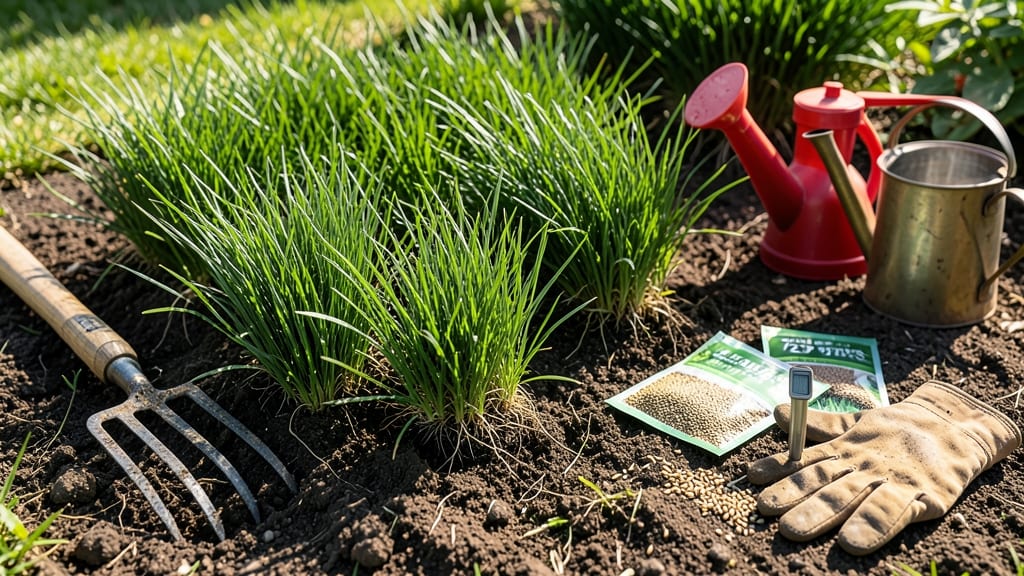
If you’ve ever stared at a patchy lawn and wondered when is the best time to plant grass in Georgia, timing is the secret weapon you’ve been missing.
The state’s shifting frost zones—from the chilly North Georgia mountains to the balmy coast—mean your neighbor’s perfect schedule might be your downfall. Plant too early, and frost will turn your hard work into mulch; too late, and summer’s brutal heat will stress new sprouts before they take hold.
Here’s the good news: Georgia’s climate actually gives you two ideal windows—early spring and early fall—when temperatures and soil conditions align for success.
But the devil’s in the details: Atlanta’s 7B zone plays by different rules than Savannah’s 8A, and even a week’s delay can mean the difference between lush green and brownout.
Let’s break down the exact deadlines, soil prep hacks, and regional tweaks to ensure your grass thrives from seed to full maturity.
You’ll also discover why cool-season grasses like tall fescue and warm-season varieties like Bermuda don’t play nice together—and how to transition between them without ending up with a lawn full of weeds.
Plus, I’ll spill the secrets to avoiding Georgia’s most common planting blunders, from overwatering in humidity to ignoring soil pH (a 6.0–7.0 range is non-negotiable).
Ready to skip the guesswork and plant with confidence? By the end, you’ll know exactly when to roll out the seed in your county, how to prep soil for maximum germination, and the 3 critical care steps that keep new grass alive through Georgia’s extreme weather. Let’s get started.
Georgia’s frost zones and grass planting deadlines by region
Georgia’s diverse climate—from the cool mountain valleys of the north to the humid coastal plains of the south—means your grass planting window depends heavily on your USDA frost zone.
The state spans zones 5A to 8B, with last frost dates ranging from early March in the north to late February in the south. Getting this timing right ensures your seed germinates in ideal conditions, not under scorching summer heat or late-season frost.
For most of Georgia, the best times to plant grass are early spring (March–April) or early fall (August–September). However, northern Georgia’s higher elevations (zones 5A–6B) face earlier frosts, while southern Georgia (zones 7B–8B) can plant slightly earlier. Let’s break down the county-specific deadlines to avoid costly mistakes.
| Region | USDA Zone | Last Frost Date | Best Planting Window | Avoid Planting After |
|---|---|---|---|---|
| North Georgia Mountains (e.g., Blue Ridge, Dahlonega) | 5A–6A | Mid-April | April 15–May 15 (spring) or August 15–September 15 (fall) | June 1 (summer heat risk) |
| Atlanta Metro (e.g., Fulton, DeKalb) | 7B–8A | March 15 | March 1–April 15 (spring) or August 1–September 15 (fall) | May 30 (summer drought risk) |
| Central Georgia (e.g., Macon, Columbus) | 7A–8A | March 1 | February 28–April 15 (spring) or July 31–September 15 (fall) | June 15 (heat stress) |
| South Georgia (e.g., Savannah, Brunswick) | 8A–8B | February 15 | February 15–March 31 (spring) or July 15–September 1 (fall) | May 1 (humidity/fungal risk) |
Note: Fall planting allows grass to establish roots before winter dormancy.
If you’re in zone 5A–6A (North Georgia), wait until mid-April to plant cool-season grasses like tall fescue. The soil should be at least 55°F (13°C) for 3–4 days straight to ensure germination.
For warm-season grasses (Bermuda, Zoysia), aim for late spring (May) once daytime temps consistently hit 75°F (24°C).
In Atlanta (zone 7B–8A), you’ve got flexibility: plant cool-season grasses in March or warm-season grasses in May.
But avoid planting after May 30, as summer’s 90°F+ (32°C+) heat will dry out seed before it germinates. Savannah (zone 8A–8B) can plant as early as February for warm-season grasses, but fall planting is riskier due to hurricane season disrupting establishment.
Pro tip: Check your local Cooperative Extension Service for hyper-local frost data. For example, Dahlonega (zone 6B) might have frost until May 1, while Valdosta (zone 8A) rarely sees frost after January 31.
Use a soil thermometer to confirm temps before planting—50°F (10°C) soil temp is the minimum for most grass seeds.
Timing isn’t just about frost—it’s also about soil moisture. Planting in Georgia’s dry spring (April–May) without proper irrigation can lead to failed germination.
Always water deeply 2–3 times per week for the first month after planting, regardless of the season. Mulch lightly (with straw) to retain moisture and protect new seedlings from crusting.
One common mistake? Assuming “spring” means March across the board.
In North Georgia (zones 5A–6A), March is still frost-prone, while in South Georgia (zone 8B), March is too early for warm-season grasses. Fall planting (August–September) is often the safest bet for most of Georgia, giving grass 6–8 weeks to establish roots before winter.
For transition zones (7A–7B), like Athens or Augusta, you can overseed warm-season grass with ryegrass in fall for winter color, then switch back in spring. But time it right: plant ryegrass by October 15 to avoid first frost and remove it by late April before Bermuda or Zoys
Georgia’s frost zones and grass planting deadlines by region
Georgia’s diverse climate—from the cool mountain valleys of North Georgia to the humid coastal plains—means planting grass at the wrong time can spell disaster. The state spans USDA zones 7A to 8B, with frost dates varying by hundreds of miles.
In Atlanta (Zone 7B), the last frost typically hits around March 15, while Savannah (Zone 8A) rarely sees frost after January 15. Timing isn’t just about avoiding frost—it’s also about escaping summer’s brutal heat and humidity, which can stress young grass.
For best results, aim to plant 4–6 weeks before the last frost in spring or 6–8 weeks before the first frost in fall. This window ensures your grass establishes roots before extreme temperatures set in.
In North Georgia (Zones 6A–7A), like Dahlonega or Blue Ridge, spring planting starts in late March, while South Georgia (Zones 8A–8B), including Albany or Valdosta, can plant as late as early April without frost risk.
| Region | USDA Zone | Last Frost | First Frost | Best Planting Window |
|---|---|---|---|---|
| North Georgia (e.g., Blue Ridge, Dahlonega) | 6A–7A | Mid-March | Mid-November | Late March–Early April or August–September |
| Central Georgia (e.g., Atlanta, Macon) | 7B–8A | Early March | Late November | Early March–April or August–September |
| South Georgia (e.g., Savannah, Albany) | 8A–8B | Late January | Early December | February–April or August–September |
Fall planting is often more successful in Georgia because cooler temperatures reduce stress on young grass. In Zone 7B (Atlanta), aim for August 15–September 15, while Zone 8A (Savannah) can extend planting until early October.
The key is to give grass 6–8 weeks of warm weather to root before winter slows growth. Avoid planting in late fall—grass planted too close to frost won’t survive the cold.
If you’re in a transition zone (7A–8A), like Columbus or Augusta, consider overseeding warm-season grass with cool-season ryegrass in late fall for temporary winter coverage. This hybrid approach minimizes bare spots during Georgia’s mild winters while still leveraging the benefits of warm-season grasses in summer.
Pro tip: Check your local Cooperative Extension Service for county-specific frost dates. For example, Rome (Zone 7A) may have a later frost than Athens (Zone 8A), even though they’re only 100 miles apart. A quick call to your county extension office can save you from costly mistakes.
Once you’ve nailed the timing, focus on soil prep—Georgia’s clay-heavy soils need amendments like compost or sand to improve drainage.
Test your soil’s pH (ideal: 6.0–7.0) and adjust with lime or sulfur before planting. Mulch lightly after seeding to retain moisture and protect young grass from summer’s intense sun or winter’s cold snaps.