
Plants
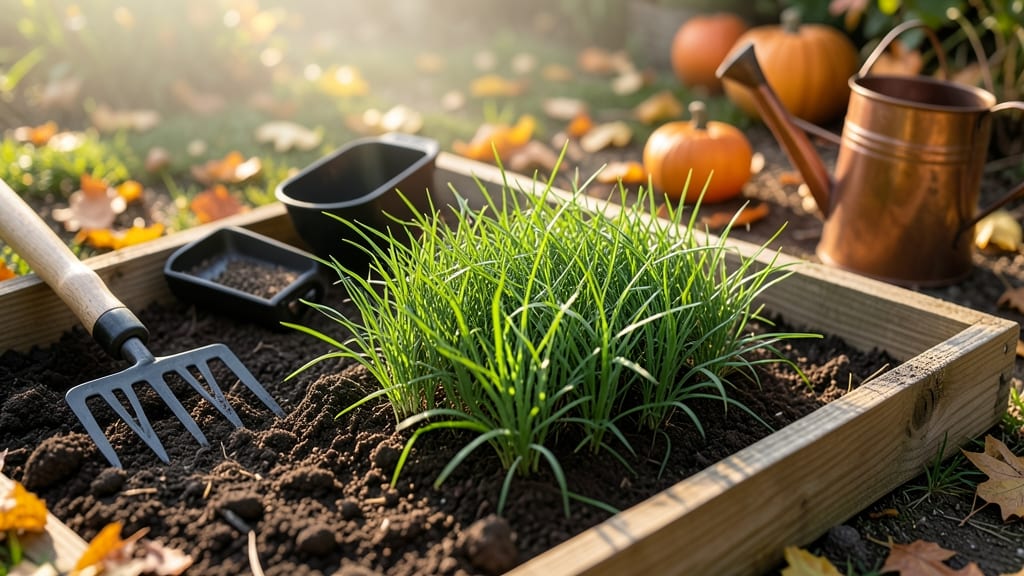
Timing your grass seed planting in the fall can make or break your lawn's success—get it wrong, and you'll end up with patchy growth or weak roots before winter.
The secret lies in understanding your local climate and soil conditions, especially if you're in USDA Zone 6a like many gardeners in the Midwest.
Fall planting gives your 🌱 grass a head start, allowing roots to establish before the ground freezes. But rushing too late risks frost damage, while starting too early may leave seedlings vulnerable to summer heat.
The ideal window? 4-6 weeks before your first frost—typically late September to early October in Zone 6a.
Why does this matter? Cooler fall temperatures reduce weed competition, and consistent moisture helps seeds germinate without stress. I'll walk you through exactly how to check soil temps, adjust for your microclimate, and avoid common mistakes that sabotage lawns every year.
Ready to grow a thicker, greener lawn next spring? Let's break down the exact steps—from soil prep to post-planting care—to ensure your grass seed thrives when it counts most.
USDA Zone deadlines for fall grass seed planting by region
Fall planting gives grass seed 4-6 weeks to establish roots before winter dormancy. The key is timing it so seedlings germinate but don't face frost before they're 3-4 inches tall.
Your USDA zone determines your exact window—plant too early and weeds take over, too late and roots won't strengthen before cold. Let's break down the ideal planting months by region to avoid these pitfalls.
In northern zones (3-7), aim for mid-August to early October. Cooler climates have shorter growing seasons, so the window is tighter. For example, in Zone 5, you've got just 6 weeks between soil temps dropping below 50°F and first frost.
Southern zones (8-11) can plant later—September to November—thanks to milder winters and longer growing seasons.
Here's how to find your zone: Check the USDA Plant Hardiness Zone Map using your ZIP code. Most homeowners fall between Zones 5-9, where fall planting yields the best results.
The Pacific Northwest and Deep South have unique quirks—PNW's cool, wet falls delay planting, while the South's lingering heat can stress seedlings.
🌱 USDA Zone Fall Planting Deadlines
| Zone | Ideal Planting Window | Soil Temp Threshold | Key Consideration |
|---|---|---|---|
| 3-5 | Mid-August to early September | 60-70°F | Short growing season |
| 6-7 | Late August to mid-October | 55-65°F | Moderate frost risk |
| 8-9 | September to early November | 65-75°F | Longer growing season |
| 10-11 | October to December | 70-80°F | Minimal frost threat |
⚠️ Pro Tip: Always plant 4-6 weeks before first frost—check your local National Weather Service for exact dates.
For Zone 6a (like much of the Midwest), I recommend starting in late August to give seedlings time to root before October's first frost. In Zone 9 (Southern California), you can push it to November—just watch for unseasonable heatwaves that dry out soil.
Coastal areas often have milder microclimates, so adjust your timeline accordingly.
If you're in a transition zone (e.g., 7b/8a), err on the earlier side. For example, Atlanta (Zone 7b) should plant by mid-October, while Austin (Zone 8a) can go until November 1st.
Always verify with your local cooperative extension office—they track historical frost dates and soil conditions specific to your area.
One common mistake is assuming "fall" means October. In northern climates, September is often the only safe month. Meanwhile, southern gardeners might plant into November—just choose cool-season grasses like tall fescue or ryegrass for better cold tolerance.
Warm-season grasses like Bermuda won't survive winter, so avoid them in fall.
Remember: Soil temperature matters more than air temperature. Use a soil thermometer to confirm 60-75°F at 4 inches deep—this is the sweet spot for germination. If temps drop below 50°F, seedlings slow dramatically. In Zone 4, that means planting by early September—no exceptions!
For high-elevation areas (e.g., Denver at 5,280 ft), subtract 1-2°F per 1,000 ft from your zone's baseline. This can shift your planting window 2-3 weeks earlier than sea-level neighbors. Always account for microclimates too—south-facing slopes warm faster than shaded valleys.
Finally, late-September plantings in Zones 5-7 often succeed if you use mulch or frost blankets to protect young sprouts. But don't wait until October 15th—by then, roots won't have time to establish before winter.
When in doubt, plant early and let weeds compete with your grass rather than risking weak seedlings.
How to check soil temperature and microclimate conditions
Testing your soil temperature is the #1 way to know when to plant grass seed in fall. Seed needs 60-75°F soil to germinate properly—too cold and it won’t sprout.
Too hot (above 80°F) can stress young seedlings. I always check temps before seeding, especially in USDA Zones 5-9 where late heatwaves sneak in.
Use a simple soil thermometer ($10 at garden centers) to take readings 2-3 inches deep. Morning is best—soil temps drop at night. If your area’s average lows are dropping below 40°F at night, it’s time to plant.
For example, in Zone 7, I aim for mid-September when soil hovers around 65°F.
Don’t forget microclimate adjustments! Shady spots stay cooler longer, while south-facing areas may need earlier planting. If your lawn has partial shade, test both sunny and shady areas—they’ll have different ideal planting windows.
I once planted cool-season grass in late October on a north-facing slope, and it failed because the soil stayed too cold.
🌡️ 5 Steps to Test Soil Temp Like a Pro
- 📍 Pick 3 test spots: Sunny, shady, and average areas.
- ⏰ Check at 10 AM—soil temps peak then.
- 🌱 Insert thermometer 2-3 inches deep—where roots will grow.
- 📈 Monitor for 3 days—temps fluctuate daily.
- 📅 Plant when temps stay 60-75°F for 5+ days.
For elevation adjustments, add 1°F per 100 feet of elevation. If you’re at 5,000 feet, your soil will feel 50°F cooler than sea level. I live at 3,200 feet in Colorado, so I plant 2 weeks earlier than my Zone 6 neighbors in the valley.
Use the USDA Plant Hardiness Map to find your exact zone and adjust accordingly.
Weather apps like Weather Underground or AccuWeather can help track soil temperature forecasts. Look for "soil therm" data if available—it’s more accurate than air temps. I also set phone alerts for first frost dates to avoid planting too late.
Pro tip: If your area has unpredictable fall weather, plant 2 weeks early rather than risking late-season heat.
Finally, water your soil 24 hours before testing—moist soil gives a more accurate reading. If your soil feels dry, water it first. I always keep a small watering can nearby for quick adjustments.
Remember: Cool-season grasses (like fescue and ryegrass) need consistent moisture to germinate, so aim for 1 inch of water weekly after planting.