
Flowers
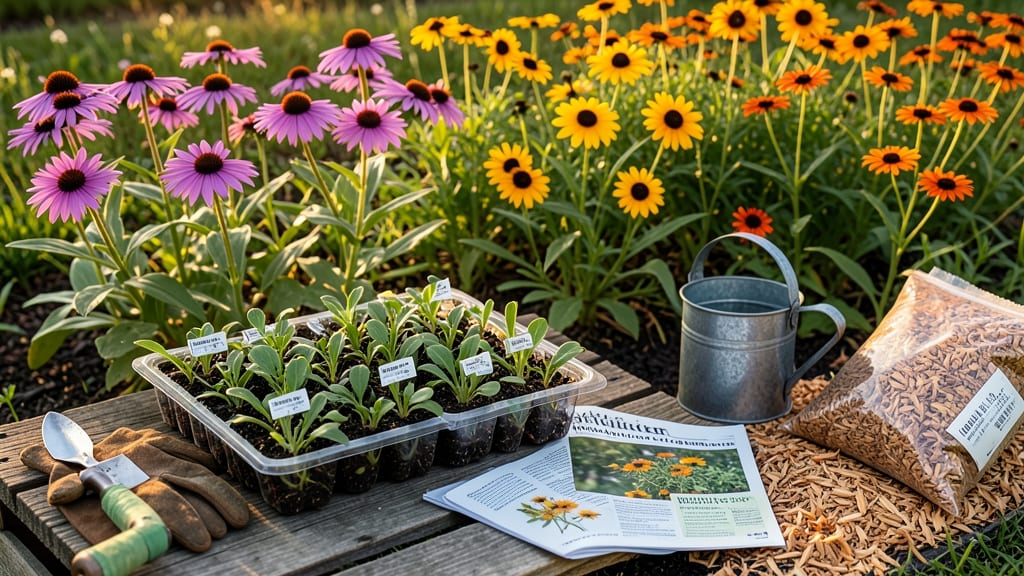
When is the best time to plant flowers in Michigan?—it’s not just about luck, it’s the key to transforming your garden from a frost-bitten disappointment into a vibrant, blooming paradise. With Michigan’s 5b-6b zones and unpredictable frost dates, planting too early could leave your 🌸 dreams wilting before they even begin.
Most gardeners make the same mistake: assuming "spring" means mid-March, when the ground is still too cold for tender roots. But here’s the secret—waiting for consistent warmth (usually after mid-April in southern Michigan or early May in the UP) gives your flowers the head start they need.
In this guide, I’ll break down the exact windows for planting annuals, perennials, and bulbs—plus pro tips to stretch your season without risking frost damage. Whether you’re in Detroit or Traverse City, you’ll know precisely when to dig in for zero-frost success.
Ready to turn your garden into a year-round showstopper? Let’s get started with the best planting calendar tailored just for Michigan’s climate.
Michigan’s flower planting zones: when to plant by last frost dates
Michigan’s USDA zones 5b and 6a create a tricky balance—warm enough for summer blooms but cold enough for late frosts that can devastate tender flowers. The key to success? Planting after your average last frost date, which varies dramatically between the Upper Peninsula and Lower Peninsula.
For example, Detroit’s last frost typically hits around April 15, while Traverse City waits until May 1, and the Upper Peninsula can linger until May 10 or later.
To avoid frost damage, always check your local Michigan State University Extension frost date maps or use a soil thermometer—50°F (10°C) for 7+ days signals it’s safe for most flowers.
Perennials are hardier and can often be planted 2–4 weeks earlier than annuals, but tender varieties like petunias or marigolds need to wait until all danger of frost has passed.
Pro Tip: Use the 5-10-10 rule for planting: Wait 5 days after the official last frost date, then monitor forecasts for 10 more days to ensure no late cold snaps. This buffer gives your flowers the best chance to establish roots before summer heat arrives.
| Region | Avg. Last Frost | Best Planting Window | Notes |
|---|---|---|---|
| Lower Peninsula (Detroit, Grand Rapids) | April 10–15 | April 20–May 10 (annuals) March 20–April 15 (perennials) |
Warmer microclimates near lakes may allow earlier planting. |
| Traverse City, Northern Lower Peninsula | April 25–May 1 | May 5–15 (annuals) April 1–15 (perennials) |
Cooler lake-effect areas need later plantings. |
| Upper Peninsula (Marquette, Houghton) | May 5–10 | May 15–25 (annuals) April 20–May 5 (perennials) |
Shorter growing season; prioritize cold-hardy varieties. |
| Southeast Michigan (Ann Arbor, Kalamazoo) | April 5–10 | April 15–May 5 (annuals) March 15–April 10 (perennials) |
Urban areas may experience heat islands; monitor soil temps. |
For bulbs like tulips and daffodils, plant in fall (September–October) so they establish roots before winter. These hardy plants thrive in Michigan’s climate and often bloom earlier than spring-planted flowers.
Meanwhile, fall-planted annuals (like pansies or snapdragons) can give you early spring color—just sow seeds or transplants in August–September for a head start.
Don’t forget to prep your soil 2–4 weeks before planting. Michigan’s clay-heavy soils benefit from amendments like compost or peat moss to improve drainage.
A quick soil test (available through MSU Extension) will tell you if your garden needs lime (to raise pH) or sulfur (to lower pH)—most Michigan soils lean acidic, so a pH of 6.0–7.0 is ideal for most flowers.
If you’re eager to start early, hardy perennials like coneflowers, black-eyed Susans, and daylilies can handle light frosts and often survive being planted in late spring (May).
Just be prepared for slower initial growth. For tender annuals, patience is key—rushing to plant before the last frost can mean wilting blooms or stunted growth.
Use these zone-specific guidelines to create a stunning, frost-proof flower garden that blooms reliably from spring to fall. Next, we’ll dive into the best flowers for Michigan’s seasons—including cold-hardy varieties that thrive in our unpredictable climate. 🌸
Best flowers to plant in Michigan by season: cold-hardy vs. heat-loving varieties
Michigan’s diverse climate means some flowers thrive in spring’s chill, while others need summer’s warmth. The key is matching frost tolerance with your planting window. For example, tulips and daffodils can handle Michigan’s late spring frosts, while marigolds and zinnias only bloom after consistent warmth arrives.
Start with spring-blooming perennials like peony and iris, which tolerate USDA Zone 5b’s cooler temps. These hardy beauties reward patience with months of blooms and return yearly.
For annuals, wait until after the last frost (typically mid-May in southern Michigan) to plant heat-loving varieties like sunflowers and cosmos.
Fall is your secret weapon for extending color. Mums and asters love Michigan’s cool autumn air and often rebloom into November. Even tender annuals like pansies can survive light frosts, making them perfect for late-season plantings.
| Season | Top Flowers | Frost Tolerance | Michigan Tip |
|---|---|---|---|
| Spring | Tulips, Daffodils, Peonies | High (survive light frost) | Plant bulbs in fall for early blooms. |
| Summer | Coneflowers, Black-Eyed Susans, Zinnias | Moderate (need warmth) | Wait until after May 15 in most regions. |
| Fall | Mums, Asters, Pansies | Very High (love cool air) | Plant late August to September for best blooms. |
For Michigan’s Upper Peninsula, where frost lingers longer, opt for late-blooming varieties like Russian sage or hollyhocks. These tough perennials handle Zone 5b’s shorter season with ease.
In southern Michigan, you can push the envelope with tender annuals like geraniums if you use row covers for early plantings.
Pro tip: Check soil temperatures before planting. Most annuals need soil at 60°F+, while cool-season crops like pansies thrive at 50-60°F. Use a soil thermometer to avoid frost damage or stunted growth.
Don’t forget container gardening for heat-sensitive plants! Move tender annuals like petunias indoors when night temps drop below 50°F. With the right seasonal selections, your Michigan garden can bloom from spring tulips to fall mums—no frost left behind! 🌷