
Flowers
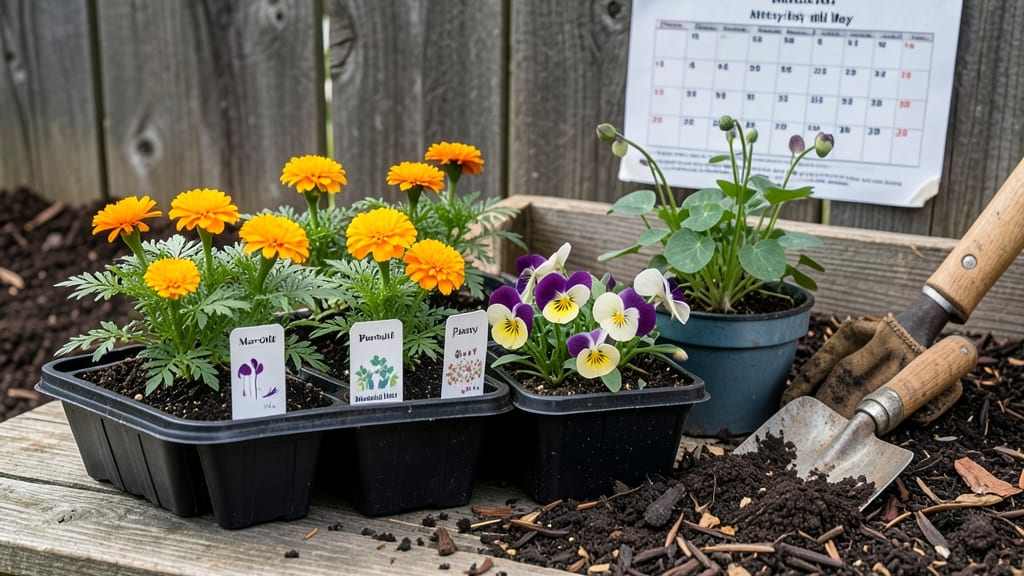
When is it safe to plant flowers in Michigan? Timing your flower planting can mean the difference between a lush, blooming garden and a sad pile of frost-bitten petals. The last spring frost isn't just a date—it's the game-changer that determines whether your annuals, perennials, and bulbs thrive or struggle.
I've spent years watching Michigan's unpredictable weather patterns, and what I've learned is that planting too early risks damage from late frosts, while waiting too long can shorten your blooming season.
Whether you're in the Upper Peninsula or the Lower Peninsula, understanding your specific USDA zone and microclimate makes all the difference.
In this guide, I'll break down exactly when it's safe to plant flowers in Michigan, including frost-free dates by zone, the best varieties for your growing season, and smart strategies to extend your planting window. Let's get those gardens blooming beautifully!
From cold-hardy marigolds to heat-loving zinnias, we'll cover the perfect planting windows for every type of flower. Plus, I'll share pro tips for soil prep and protecting your plants from Michigan's notorious late frosts. Ready to transform your garden?
Michigan frost-free dates by USDA hardiness Zone: when to plant flowers safely
Michigan’s diverse climate means frost dates vary dramatically from Zone 4a in the Upper Peninsula to Zone 6b near Detroit. Getting these dates wrong can mean the difference between a thriving flower garden and a sad, frost-nipped disappointment.
Let’s break down the last spring frost averages by zone so you can plant with confidence.
For most of Michigan, the safe planting window begins 2-4 weeks after the average last frost date. However, cool-season flowers like pansies and snapdragons can handle light frosts, while tender annuals like petunias need warmth.
The key is knowing your microclimate—urban areas often warm up faster than rural spots due to heat island effect.
Here’s how Michigan’s USDA hardiness zones translate to planting timelines, with regional variations that could save your spring blooms:
| Zone | Last Frost Date | Safe Planting Window | Regional Notes |
|---|---|---|---|
| 4a (Upper Peninsula) | May 15–20 | May 30–June 5 | Longer winters. Use row covers for early starts. |
| 4b (Northern Lower Peninsula) | May 1–10 | May 15–25 | Variable frost. Wait for 3 consecutive warm days. |
| 5a (Central Michigan) | April 25–May 5 | May 10–20 | Moderate climate. Ideal for perennials and hardy annuals. |
| 5b (Southern Lower Peninsula) | April 15–25 | April 30–May 10 | Earlier springs. Watch for false springs—late frosts can occur. |
| 6a (Southeast Michigan) | April 10–20 | April 25–May 5 | Urban areas warm faster. Plant heat-loving flowers early. |
| 6b (Thumb Region) | April 5–15 | April 20–May 1 | Longest growing season. Extend with fall planting. |
Pro tip: Use the Michigan State University Extension’s frost date map for your exact location. Even within a zone, elevation changes can shift frost dates by 1-2 weeks.
For example, Traverse City (Zone 5b) might see frost until May 10, while Ann Arbor (Zone 6a) could be safe by April 25.
If you’re planting bulbs in fall, aim for 6 weeks before the first hard frost—typically mid-September to early October. For spring-blooming bulbs like tulips, cooler soil temperatures help prevent premature sprouting. Use mulch to insulate the ground and protect tender shoots.
For container gardening, you can plant 2-4 weeks earlier than in-ground flowers since containers warm up faster. Just be ready to move pots indoors if a late frost threatens. Harden off your plants gradually to avoid shock—this means acclimating them to outdoor conditions over 5-7 days before final planting.
Remember, weather patterns are changing. Over the past decade, Michigan’s last frost dates have shifted earlier by 7-10 days in some areas. Stay flexible and monitor local forecasts. When in doubt, wait 2 more weeks—your flowers will thank you with longer, healthier blooms.
🌱
Best flower varieties for Michigan’s short vs. long growing seasons
Michigan’s climate varies dramatically from the Upper Peninsula’s cooler zones to the Lower Peninsula’s longer growing seasons. Choosing the right flower varieties ensures your garden thrives despite these differences. Cold-hardy plants like marigolds and coneflowers excel in shorter seasons, while zinnias and sunflowers love the warmth of southern Michigan.
For Zone 4a-5a (northern Michigan), prioritize early bloomers and cold-tolerant perennials. In Zone 5b-6b (southern Michigan), you can push the limits with heat-loving annuals that thrive in longer summers. The key is matching your planting window to each variety’s needs—whether it’s spring-blooming bulbs or summer-long annuals.
Here’s a quick guide to top-performing flowers for Michigan’s diverse climate, organized by season and hardiness:
🌱 Early Spring Bloomers (Plant in Late April - Early May)
- Tulips & Daffodils – Plant bulbs in fall (Oct-Nov) for early spring blooms. Thrives in Zone 4a-6b.
- Bleeding Heart – Perennial that tolerates partial shade and cool soils. Ideal for Zone 3-8.
- Sweet Alyssum – Cold-hardy annual that blooms early spring to frost. Great for Zone 4-9.
☀️ Summer Annuals (Plant After Last Frost, Mid-May - Early June)
- Zinnias – Heat-loving and drought-tolerant. Perfect for Zone 3-10; plant after soil warms.
- Sunflowers – Fast-growing and great for pollinators. Sow directly in soil after last frost.
- Marigolds – Pest-repellent and cold-tolerant. Plant early spring or late summer for fall blooms.
🌿 Perennials for Long-Lasting Color (Plant in Spring or Fall)
- Coneflowers – Drought-resistant and low-maintenance. Thrives in Zone 3-9; blooms summer to fall.
- Black-Eyed Susans – Golden blooms that attract butterflies. Plant in spring or fall for Zone 4-9.
- Russian Sage – Drought-tolerant perennial with silvery foliage. Ideal for Zone 5-9; plant in spring.
🌼 Fall-Blooming Stars (Plant in Early Summer)
- Chrysanthemums – Cold-hardy annuals that bloom late summer to frost. Plant 4-6 weeks before first frost.
- Astors – Fragrant perennials that thrive in partial shade. Plant in spring or fall for Zone 3-8.
- Goldenrod – Late-season pollinator magnet. Plant in spring for Zone 3-9; blooms August-October.
Pro tip: For northern Michigan, start cold-hardy annuals like pansies indoors in March to transplant after the last frost. In southern Michigan, you can extend your season by planting heat-tolerant varieties like portulaca or lantana as late as July for fall color.
Always check your local frost dates and soil temperature before planting—even the hardiest flowers need the right conditions to thrive. With the right varieties, your Michigan garden can burst with color from spring to frost! 🌷