
Flowers
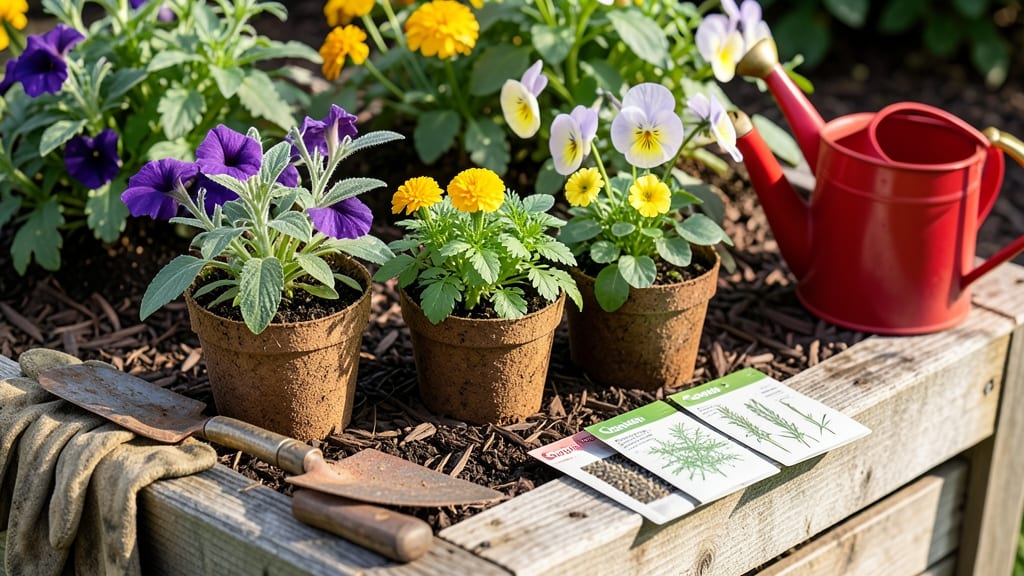
Timing your Zone 6b flower planting can mean the difference between a garden bursting with color and one that barely makes it past the first frost.
With 165 frost-free days to work with, getting those bulbs and seeds in the ground at the right moment is key—especially when temperatures can swing wildly between spring and fall.
Most gardeners in Zone 6b know spring is the prime window for planting annuals and perennials, but did you know fall offers a second chance for bulbs and cold-hardy varieties?
I’ll break down the exact dates to follow, whether you’re in the Midwest or Appalachia, so you can avoid common mistakes like planting too early or missing the last frost date of April 15.
What you’ll discover here are the cold-hardy flowers that thrive in your zone, along with a seasonal checklist to keep your garden blooming from early spring to late fall. No more guessing—just proven strategies to extend your bloom time and protect your plants from unexpected frosts.
Ready to transform your garden into a year-round showstopper? Let’s dive into the exact planting schedule that’ll have your flowers thriving, no matter what Zone 6b throws your way.
Zone 6B flower planting calendar: exact dates for annuals, perennials, and bulbs
Zone 6B offers a 165-day frost-free growing season, giving you plenty of time to grow vibrant flowers—but timing matters. Plant too early, and frost will kill tender seedlings. Too late, and your blooms may arrive after summer’s peak.
The key is aligning your planting dates with local frost averages (typically April 15 for last frost and October 15 for first frost), while accounting for your garden’s microclimate.
Spring is the prime time for annuals and frost-sensitive perennials, while fall is ideal for bulbs and hardy perennials. Even in Zone 6B, some regions experience earlier or later frosts, so I recommend checking your local frost dates and adjusting by 1-2 weeks if needed.
For example, areas near lakes or mountains may have cooler microclimates that delay planting by 7-10 days.
Here’s your month-by-month planting guide for Zone 6B, tailored to the most popular flower types. Use this as your roadmap to maximize blooms from spring through fall!
Zone 6B Flower Planting Timeline
| Season | Plant Type | Optimal Planting Window | Key Notes |
|---|---|---|---|
| Spring | Annuals (e.g., Marigolds, Petunias) | After last frost (April 15) | Start seeds indoors 6-8 weeks before last frost |
| Spring | Perennials (e.g., Coneflowers, Black-Eyed Susans) | April 1–May 15 | Divide established clumps in early spring |
| Spring | Bulbs (e.g., Tulips, Daffodils) | September–October (for spring bloom) | Plant 6-8 weeks before first frost for best results |
| Summer | Heat-Tolerant Annuals (e.g., Zinnias, Sunflowers) | June 1–July 15 | Direct sow after soil temps reach 60°F |
| Fall | Fall-Blooming Perennials (e.g., Asters, Chrysanthemums) | August 15–September 15 | Plant 6-8 weeks before first frost for fall color |
| Fall | Spring-Blooming Bulbs (e.g., Hyacinths, Crocuses) | September–October | Plant before ground freezes for next spring |
🌱 Pro Tip: Use row covers to extend spring planting by 2-3 weeks if frost threatens.
For annual flowers, timing is critical because they complete their life cycle in one season. Start tender annuals like petunias or geraniums indoors 6-8 weeks before your last frost date (April 15 in most of Zone 6B).
If you’re planting directly outdoors, wait until soil temperatures reach 60°F—usually mid-to-late April—to avoid frost damage. Heat-loving annuals like zinnias or sunflowers can wait until June for optimal performance.
Perennials are more forgiving but still benefit from early spring planting.
Most established perennials (like coneflowers or black-eyed Susans) can go in the ground as early as April 1, but avoid planting if frost is forecasted. Divide perennials in early spring (March–April) to rejuvenate clumps and encourage stronger blooms.
For fall-blooming perennials like asters, plant by August 15 to ensure they establish roots before winter.
Bulbs are a Zone 6B gardener’s secret weapon for year-round color. Plant spring-blooming bulbs (tulips, daffodils) in fall (September–October), 6-8 weeks before the first frost. This gives roots time to establish before winter.
For summer-blooming bulbs (like dahlias), plant in spring after last frost. Remember: deeper planting (6–8 inches) protects bulbs from frost heave and rodent damage.
Don’t overlook succession planting to keep your garden blooming all season. After harvesting early spring flowers, replant with summer annuals like cosmos or marigolds. Then, fill gaps in late summer with fall-blooming perennials or pansies for winter interest.
This strategy ensures your garden stays vibrant from April through October.
Cold-hardy flowers that thrive in Zone 6B: best choices by season
Zone 6B’s unpredictable frosts and short growing season demand flowers that can handle temperature swings. The good news? Many perennials and cold-hardy annuals not only survive but thrive here, giving you vibrant blooms from spring to fall.
I’ve narrowed down the best varieties for each season, so you can focus on what works without wasting time (or money) on finicky plants.
For spring planting, prioritize cold-tolerant perennials like coneflowers and black-eyed Susans, which can handle light frosts and still bloom by early summer.
These workhorses return year after year, making them a gardener’s best friend in Zone 6B. Pair them with pansies or violas for early color—both can take 28°F temperatures and keep blooming until heat arrives.
🌸
🌱 Top Zone 6B Flowers by Season
- 🌷 Spring (March-April): Pansies, Violas, Lungwort, Bleeding Heart
- ☀️ Summer (May-July): Coneflowers, Black-Eyed Susans, Daylilies, Marigolds
- 🍂 Fall (August-October): Chrysanthemums, Asters, Goldenrod, Russian Sage
- ❄️ Winter (November-February): Snowdrops, Winter Aconite, Hellebores (evergreen foliage)
💡 Pro Tip: Plant bulbs like tulips in fall (September-October) for spring blooms—they’ll naturalize over time!
Summer is where annuals shine in Zone 6B, but choose wisely. Marigolds and zinnias are heat-tolerant and repel pests, while cosmos self-seed effortlessly, giving you free blooms next year. For perennials, daylilies and sedum are drought-resistant and bloom late into fall, often surviving until the first frost.
Don’t overlook fall-planted flowers—this is your secret weapon for next year’s garden. Chrysanthemums and asters love cooler weather and add late-season color. Even Russian sage, with its silvery foliage and lavender blooms, thrives when planted in early fall, giving you a head start on spring growth.
For winter interest, evergreen perennials like hellebores and snowdrops provide structure and early blooms. These plants push through snow for February-March color, proving that Zone 6B gardens can be stunning year-round with the right choices.
✂️