
Plants
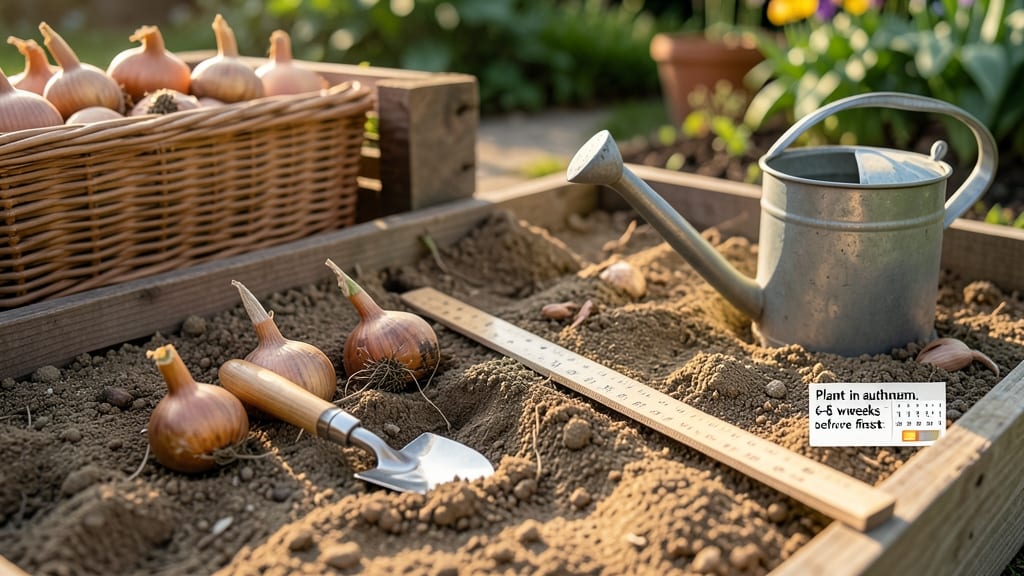
Planting tulip bulbs in Australia at the wrong time can mean skipping spring’s most vibrant blooms entirely—because unlike northern gardens, our climate flips the rules. While many gardeners assume autumn is the only window, Australian growers actually have two key opportunities to get it right, depending on your region’s frost patterns and heat spikes.
Here’s the game-changer: In cooler southern states like Melbourne or Sydney, the ideal window stretches from late autumn (May) through early winter (July), when soil temps drop but frost hasn’t yet settled.
But in subtropical zones like Brisbane or Perth, spring planting (August–October) often yields better results—avoiding summer’s scorching heat while still delivering those 🌷 showstoppers by spring.
Timing isn’t just about the calendar—it’s about soil prep, bulb depth, and even afternoon shade in hotter areas. I’ll break down the exact steps to maximize your tulips’ potential, whether you’re in a frost-prone valley or a sunbaked coastal strip. Let’s make sure your garden doesn’t miss a single bloom.
Ready to transform your garden? The key is knowing when to plant—and how to protect those bulbs once they’re in the ground. Spoiler: It’s not as simple as “dig and forget.”
Best planting times for tulip bulbs in Australia by climate zone
Australia’s diverse climate zones mean tulip bulb planting times vary dramatically. Unlike northern hemisphere gardeners who plant in autumn, Australian gardeners must align planting with cooler months to avoid summer heat stress.
The key is timing bulbs to establish roots before spring growth begins—typically between May and July in most regions.
Southern Australia (e.g., Melbourne, Adelaide) has the most predictable cooler seasons, making it ideal for traditional autumn planting. Meanwhile, northern regions (e.g., Brisbane, Perth) can plant slightly later due to milder winters. Let’s break it down by zone to ensure your tulips bloom reliably every spring.
🌷
In southern temperate zones, aim to plant 6-8 weeks before frost (if applicable) to allow roots to establish. For example, in Melbourne, frost typically arrives by late June, so planting by mid-May ensures bulbs are rooted before winter sets in.
For coastal areas, prioritize well-draining soil to prevent waterlogging during winter rains. Add compost or sand if your native soil is heavy clay. In inland regions, mulch with straw or pebbles to retain moisture and regulate soil temperature.
💧
Subtropical and tropical zones often see success with spring planting (August-September) instead of autumn. This avoids the extreme heat of summer while still allowing bulbs to bloom by late winter. For instance, Brisbane gardeners often plant tulips in July to enjoy flowers by September.
Regardless of your zone, always plant bulbs at a depth of 3x their height (typically 6-8 inches deep) and space them 4-6 inches apart. This ensures proper airflow and reduces disease risk.
In hotter climates, opt for dwarf tulip varieties like ‘Darwin Hybrid’ or ‘Fosteriana’, which handle heat better than standard types.
✂️
One final tip: Pre-chill bulbs for 6-8 weeks in the fridge before planting if you’re in a warm region. This mimics natural winter conditions and encourages blooming. Store bulbs in a paper bag in the vegetable crisper (not the freezer) to simulate cool soil temperatures.
Autumn vs spring planting: which works better in Australian gardens?
Australian gardeners often debate whether to plant tulip bulbs in autumn (like their northern hemisphere counterparts) or shift to spring planting to avoid summer heat. The truth? Both methods work—but success hinges on your climate zone and how you prepare the bulbs.
In cooler regions like Victoria or Tasmania, autumn planting (May–July) aligns with natural dormancy cycles, while subtropical areas like Queensland or northern NSW often see better results with spring planting (August–October).
The key difference lies in soil temperature and frost risk. Autumn-planted bulbs need 4–6 weeks of cool soil (below 15°C/59°F) to establish roots before winter dormancy. Spring planting, however, lets bulbs skip frost entirely—critical in frost-prone zones like the Tablelands or Alpine regions.
Let’s weigh the pros and cons to help you decide what works best for your garden.
🌷
Autumn Planting vs Spring Planting: Pros & Cons
Autumn Planting
- Pros: Traditional method, aligns with natural dormancy
- Cons: Frost risk in cooler zones, requires careful timing
Spring Planting
- Pros: Avoids frost, works in subtropical climates
- Cons: Bulbs may not establish roots as deeply, needs extra care
Regional Tip: In Perth or Adelaide, autumn planting often succeeds with mulch protection. In Brisbane or Cairns, spring planting with shade cloth yields better blooms.
If you choose autumn planting, aim to plant 6–8 weeks before the first frost (check your local Bureau of Meteorology forecasts). For spring planting, bulbs should go in the ground 4–6 weeks before your typical last frost date—or earlier in hotter zones to prevent summer stress.
Either way, soil prep is non-negotiable: Amend with compost and sand for drainage, and plant at 3x the bulb’s height (typically 15–20cm deep).
One common mistake? Assuming all tulips thrive equally in both seasons. Darwin tulips (like ‘Ice Cream’ or ‘Purple Prince’) handle spring planting better, while classic Dutch varieties (e.g., ‘Queen of Night’) prefer autumn. Always check your bulb’s cold requirement—some need 12+ weeks below 10°C/50°F to bloom!
Pro tip: For spring planting, pre-chill bulbs for 8–10 weeks in the fridge (vegetable drawer) before planting to mimic winter dormancy. This trick works wonders in subtropical climates where natural cold snaps are rare.
Ready to pick your approach? The right timing can turn a lackluster garden into a springtime paradise—just don’t wait until the last minute. The clock starts ticking now! 🌿