
Plants
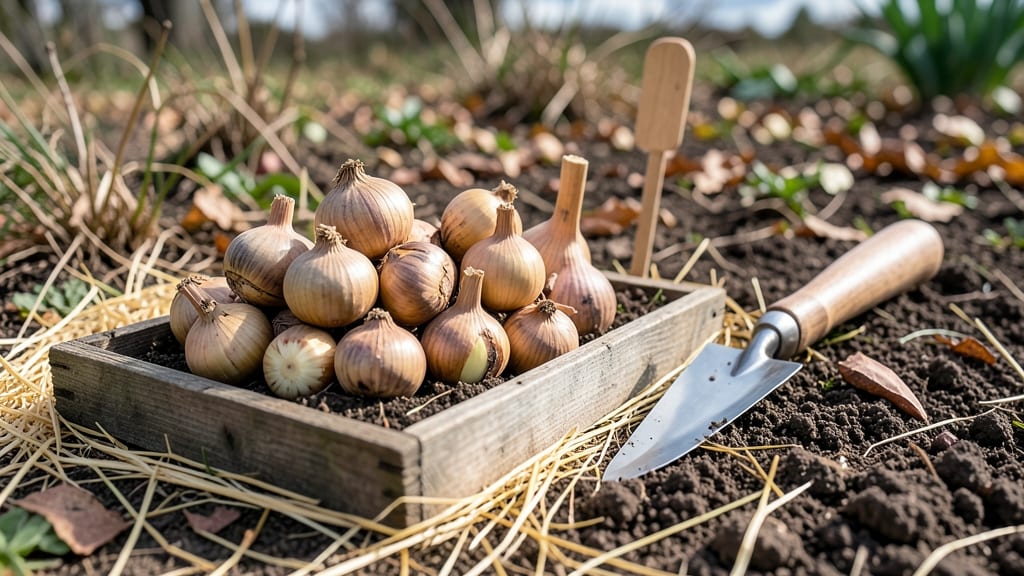
Planting tulip bulbs in Michigan at the wrong time can mean the difference between a showstopping spring garden and a sad, rotting investment. The October–November window is your golden opportunity, but getting it just right depends on your frost dates and soil conditions.
Most Michigan gardeners in zones 5b–6b know the drill: plant 6 weeks before the ground freezes, usually by mid-October. But with unpredictable weather patterns, timing can be tricky—especially when early frosts sneak in or warm spells delay planting.
I’ll break down exactly when to dig, how deep to go, and what to watch for so your 🌷 bulbs thrive through winter.
This isn’t just about throwing bulbs in the ground and hoping for the best. The key to success lies in soil prep, spacing, and understanding how Michigan’s climate affects root development.
Whether you’re in Detroit or Traverse City, I’ve got the local insights you need to avoid common mistakes and set your tulips up for bold, vibrant blooms next spring.
Ready to master the timing? Let’s dive into the frost-date cheat sheet and regional tips that will make your tulip planting effortless—no guesswork required.
Michigan tulip planting dates by USDA Hardiness Zone (with frost-date cheat sheet)
Michigan’s USDA Hardiness Zones 4b-6a create a 6-week window for planting tulip bulbs—typically from early October to mid-November. Planting too early risks rot in warm soils, while waiting too late means bulbs won’t establish roots before winter.
Let’s break down the exact timing for each zone to ensure your tulips thrive.
Most of Michigan falls into Zones 5b-6a, where the average first frost arrives in mid-October and the ground freezes by mid-November. Tulip bulbs need 4-6 weeks to root before frost hits, so aim to plant 6 weeks before your area’s average first hard freeze.
For example, in Zone 5b, plant by October 15-20; in Zone 6a, you have until November 1-5.
🌱Pro Tip: Use your local Almanac’s frost dates (like the Old Farmer’s Almanac) or check the Michigan State University Extension for your county’s specific averages. These dates shift slightly yearly due to climate variability.
| USDA Zone | Average First Frost | Ideal Planting Window | Soil Temp Goal | Depth & Spacing |
|---|---|---|---|---|
| Zone 4b (Northern MI) | October 10-15 | September 25 - October 10 | 45-55°F | 6-8" deep, 4-6" apart |
| Zone 5b (Central MI) | October 15-20 | October 1-15 | 50-60°F | 6-8" deep, 4-6" apart |
| Zone 6a (Southern MI) | October 25-November 1 | October 15-November 1 | 55-65°F | 6-8" deep, 4-6" apart |
Soil temperature is critical—tulip bulbs rot in soils above 60°F. Use a soil thermometer to confirm temps are between 45-60°F before planting. In warmer southern Michigan (Zone 6a), you might need to wait until late October to avoid this risk.
If you’re in northern Michigan (Zone 4b), don’t wait past October 10, or bulbs may not root deeply enough. For central Michigan (Zone 5b), the sweet spot is early October, giving bulbs time to root before the first frost.
🌿Local Tip: In Detroit (Zone 6a), I’ve planted tulips as late as November 1 with success, but only after checking that soil temps had dropped below 60°F. In Traverse City (Zone 5b), I stick to early October to account for earlier frosts.
For container gardening, plant bulbs in pots by mid-October and move them to a garage or cold frame once soil temps drop below 50°F. This extends your planting window by 2-3 weeks in colder zones.
💡Remember: Tulip bulbs need 6-8 weeks of chill to bloom. Planting too late (after November 15) in most of Michigan risks poor flowering or no blooms at all. Use this frost-date cheat sheet to time it perfectly!
After planting, mulch with 2-3 inches of straw to insulate bulbs from freeze-thaw cycles, which can damage emerging shoots. Remove mulch in early spring once shoots appear.
How to adjust tulip planting for Michigan’s unpredictable weather patterns
Michigan’s weather can be as unpredictable as a snowstorm in July—one day it’s 60°F and sunny, the next it’s freezing rain. For tulip bulbs, this means timing your planting just right is critical.
Bulbs need 6-8 weeks to establish roots before winter sets in, but early frosts or soggy soil can derail even the best-laid plans. The key is flexibility: watch your local forecast and adjust planting dates accordingly.
Start by checking your USDA Zone (Michigan spans Zones 4-6) and note the average first frost date. In most of the state, this falls around mid-October, but northern areas like Traverse City can see frost as early as late September.
Plant bulbs 6 weeks before the first hard frost—typically by late September to early October—but delay if the ground stays warm or rain keeps it soggy.
Here’s the tricky part: soil temperature. Tulip bulbs need soil to be 40-50°F for root growth. If your soil is still warm from summer, bulbs may rot before they root. Test soil temps with a soil thermometer or wait until nighttime temps consistently dip below 60°F.
In humid areas like Detroit or Grand Rapids, prioritize well-draining soil to prevent rot during Michigan’s unpredictable fall rains.
- Early frost? If temps drop below 32°F before bulbs root, cover them with straw or mulch.
- Soggy soil? Avoid planting if ground is waterlogged—wait for drainage or amend with compost.
- Late fall warmth? If soil stays above 50°F past October, delay planting to avoid rot.
Michigan’s microclimates vary wildly—urban areas stay warmer, while rural spots freeze faster. Adjust timing by 1-2 weeks based on your location.
Regional differences matter too. In southern Michigan (Zones 5b-6a), like Ann Arbor or Kalamazoo, you can sometimes plant as late as early November if the ground isn’t frozen. But in northern Michigan (Zone 4b), such as Marquette, aim for late September to beat the early frosts.
Pro tip: Use a frost date calculator like the National Weather Service’s to fine-tune your schedule.
Don’t forget to mulch after planting—a 2-3 inch layer of straw or shredded leaves insulates bulbs from temperature swings and keeps soil moist. In windy areas, like the Upper Peninsula, add extra mulch to prevent soil from drying out.
And if you’re in a low-lying spot where cold air pools, plant bulbs on a slightly elevated mound to avoid frost pockets.
Finally, if Michigan’s weather throws you a curveball—like a late-season heatwave in October—don’t panic. Store unplanted bulbs in a cool, dark place (like a garage) until conditions improve. With a little flexibility and local know-how, you’ll outsmart Michigan’s mood swings and still get those showstopping tulips next spring. 🌷