
Plants
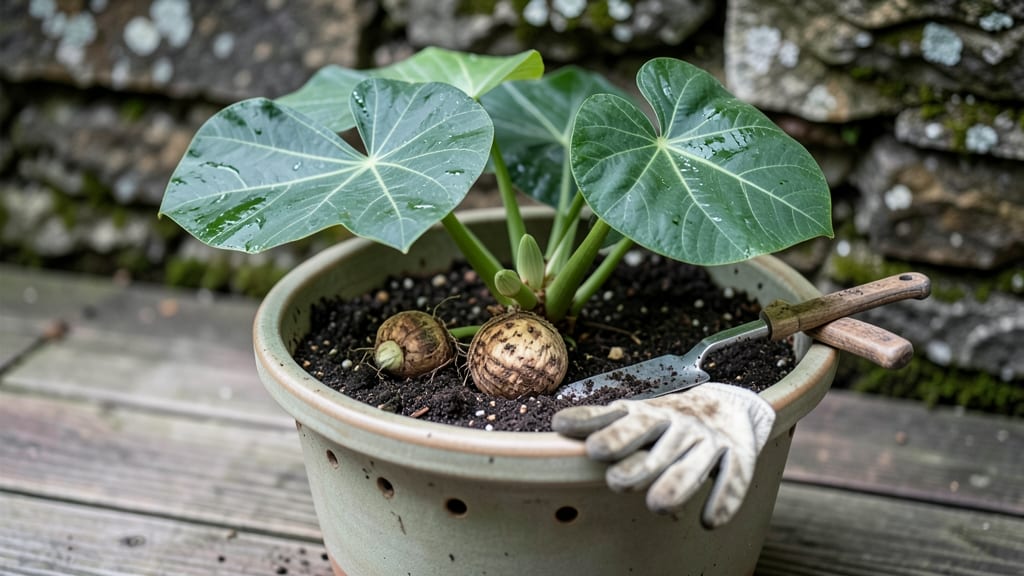
If you're wondering when to plant elephant ear bulbs in pots, timing is everything—especially when growing these tropical beauties in containers where temperature swings can make or break their success.
Unlike in-ground planting, potted elephant ears need extra care to avoid heat stress or premature dormancy, so knowing the perfect window is key to lush, vibrant growth all season.
For most gardeners in USDA Zone 6a and warmer, the ideal time to plant is after your last frost date—typically late spring to early summer—when soil temperatures consistently stay above 60°F.
But here's the catch: if you're in a hotter climate, like Zones 8-11, you might want to plant earlier to beat the summer heat, while cooler zones can wait until early summer when the soil warms up naturally.
Container gardening adds another layer to the equation. Pots heat up faster than garden beds, so choosing the right time means balancing warmth and moisture. Plant too early, and your bulbs could rot; too late, and you’ll miss out on that stunning 🌿 foliage display.
I’ll walk you through the best months for your specific zone and how to adjust for containers, so you can enjoy those dramatic leaves without the guesswork.
Ready to transform your patio or balcony into a tropical oasis? Let’s dive into the exact timing, signs your pots are ready, and pro tips to keep your elephant ears thriving from bulb to bloom.
Best planting months for elephant ear bulbs in pots by USDA climate zone
Elephant ear bulbs (Colocasia or Alocasia) thrive in containers when planted at the right time, but their frost sensitivity and heat tolerance vary by climate zone. Unlike in-ground planting, pots heat up faster and dry out quicker, so timing matters even more.
Below, I’ll break down the ideal planting months for USDA zones 7 through 11, accounting for soil temperature and container conditions.
In zones 7-9, aim to plant elephant ear bulbs after your last frost date, typically late April to early June. These zones experience mild winters, but bulbs won’t survive frost, so wait until soil temps reach 60°F or warmer.
For zones 10-11, where frost is rare, you can plant as early as February to March, but avoid extreme heat—bulbs prefer warm but not scorching soil.
Containers complicate timing because they heat up faster than garden beds. If your pots sit in full sun, soil can reach 90°F+ by midday, stressing bulbs. To adjust, plant slightly later in hotter zones (e.g., June in zone 10) or use light-colored pots to reflect heat.
Here’s a quick zone-by-zone summary to help you decide when to plant:
| USDA Zone | Ideal Planting Month | Soil Temp Requirement | Container Adjustments |
|---|---|---|---|
| 7 | Late April–May | 60°F+ | Use 1-gallon pots; add mulch |
| 8 | May–Early June | 65°F+ | Choose east-facing spots |
| 9 | Early May–June | 65°F+ | Water daily in summer |
| 10 | February–March or June | 60°F+ (avoid heatwaves) | Plant in shade; use terracotta pots |
| 11 | March–April or July | 60°F+ | Prioritize drainage; elevate pots |
For zones 7-9, late spring is critical because it balances warm soil and avoids early summer heat. In zones 10-11, you have two windows: early spring (for cooler microclimates) or late summer (to escape peak heat).
If you’re in a transitional zone (e.g., zone 6b), consider overwintering bulbs indoors and planting in May.
Pro tip: Test your pot’s soil temp with a soil thermometer—aim for 60°F+ before planting. If it’s cooler, delay by 1-2 weeks or use black pots to absorb heat faster. Containers dry out quicker, so pre-moisten potting mix before planting to reduce shock.
One common mistake? Planting too early in zones 7-9 when nights are still chilly. Elephant ears won’t sprout until soil stays warm consistently, so patience pays off. In zone 11, avoid planting in May-June if temps exceed 90°F—opt for July instead.
If you’re unsure about your zone, check the USDA Plant Hardiness Zone Map and adjust by 1-2 months if your local climate runs hotter or cooler than average. For example, Southern California (zone 10) can plant in February, while Florida (zone 10) might wait until March due to humidity.
Remember: Container size matters. A 5-gallon pot holds moisture better than a 1-gallon pot, so larger containers can handle slightly earlier planting. Just ensure pots have drainage holes—elephant ears hate soggy roots.
🌿
Best planting months for elephant ear bulbs in pots by USDA climate zone
Elephant ear bulbs thrive in pots when planted at the right time, but the perfect window shifts depending on your USDA zone and container setup. In Zones 7-9, aim for late spring after the last frost—typically April to May—when soil temps hit 60°F+.
Warmer zones (10-11) can plant as early as March to avoid summer heat stress, while cooler zones (6-7) may wait until early June for safer growth.
Containers complicate timing because they heat up faster than garden beds. I’ve seen potted elephant ears wilt in 90°F+ heat if planted too late. The key is balancing warmth and moisture—plant when your area’s nighttime temps stay above 55°F consistently.
For example, in Zone 8, March-April works, but Zone 10 gardeners should plant by February to prevent dormancy.
| USDA Zone | Ideal Planting Month | Soil Temp Goal | Container Notes |
|---|---|---|---|
| 6-7 | Early June | 60°F+ | Use black pots to absorb heat |
| 8-9 | April-May | 65°F+ | Add mulch to retain moisture |
| 10-11 | February-March | 60°F+ | Plant in shade cloth for summer |
For container gardeners, pot size matters. Use containers at least 12 inches wide/deep to prevent root crowding. Smaller pots dry out faster, so adjust your planting timeline to avoid stress.
In Zone 9, for example, I plant in April but move pots to shade by July to protect leaves from scorching.
Pro tip: Test soil temp with a thermometer—elephant ears need consistent warmth to sprout. If your area has unpredictable springs, wait until nighttime temps stay above 55°F for 5+ days. This prevents bulb rot, a common issue in damp, cool pots.
Remember: Late summer planting (August-September) is risky in pots unless you’re in Zone 10+. Bulbs need 6-8 weeks to establish roots before winter. For cooler zones, hold off until next spring to avoid winter kill in containers.
Timing isn’t just about months—it’s about microclimates. If your patio gets afternoon sun, plant 2 weeks earlier than the zone guidelines suggest. And always use well-draining potting mix to prevent soggy soil, which can rot bulbs planted too early.