
Plants
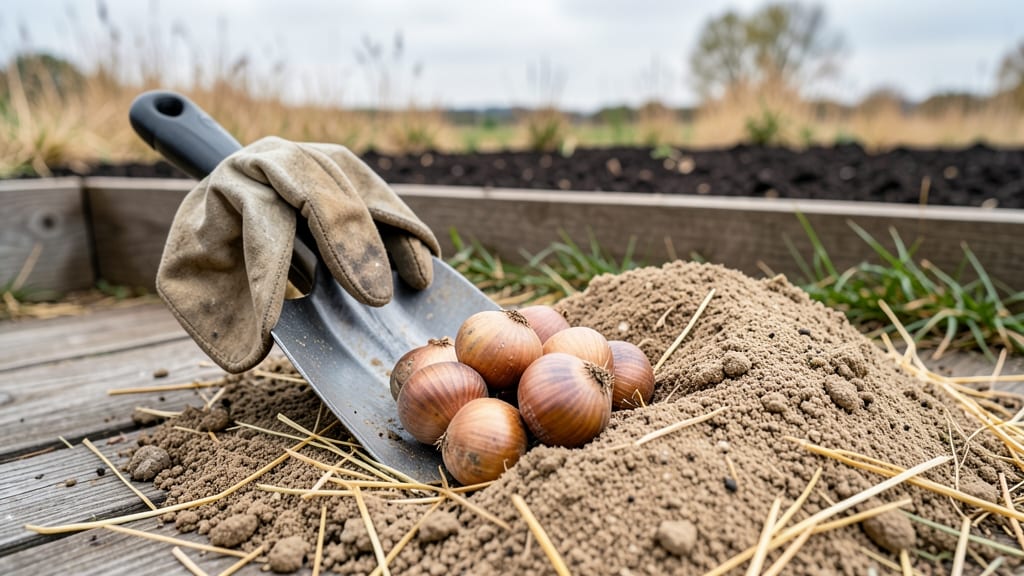
Planting tulip bulbs 🌷 in the ground at the wrong time could mean waiting years for those dreamy spring blooms—or never seeing them at all. The key to perfect tulips starts in fall, when soil temperatures drop and bulbs get the head start they need to thrive.
You might think spring is the best time to plant, but that’s actually when most gardeners miss the boat. Tulips need 6-8 weeks of cool soil to establish roots before winter sets in.
In USDA Zone 6a, that means getting those bulbs in the ground between October and November—before the first hard frost.
Timing matters more than you’d expect. Plant too early, and your bulbs might rot; too late, and they won’t root deeply enough for strong blooms. I’ll show you exactly how to nail that fall planting window, plus soil prep tricks that make all the difference.
Ready to transform your garden next spring? Let’s dive into the secrets of planting tulip bulbs at the perfect moment—so you can enjoy perfect blooms year after year.
Optimal fall planting timeline for tulip bulbs by US hardiness zones
Tulip bulbs thrive when planted in fall, not spring, because they need 6-8 weeks of cool soil temperatures to establish roots before winter. The ideal window is 3-6 weeks before your region's first hard frost. This timing ensures bulbs develop strong roots while avoiding winter dormancy too early.
Your USDA Hardiness Zone determines the exact planting window. For example, Zone 5 gardeners should plant by mid-October, while Zone 8 can wait until December. Missing this window risks poor blooms or bulb rot.
To find your zone, check the USDA Plant Hardiness Zone Map and note your average first frost date. Count backward 6 weeks—that’s your planting deadline. For instance, if frost hits November 15, aim to plant by October 1.
Regional examples:
- Zone 3-4 (Cold Climates): Plant by late September (soil temps drop fast).
- Zone 5-6 (Temperate): Ideal window is October-November.
- Zone 7-8 (Mild Winters): Plant through December.
| USDA Zone | Planting Window | Soil Temp Goal | Frost Deadline |
|---|---|---|---|
| 3-4 | Late September | 40-50°F | Mid-October |
| 5-6 | October-November | 45-55°F | Early December |
| 7-8 | November-December | 50-60°F | Early January |
| 9-10 | December-January | 55-65°F | Late January |
⚠️ Pro Tip: Use a soil thermometer to confirm temps are below 60°F before planting.
Common mistakes include planting too early (bulbs rot) or too late (weak roots). For example, planting in August risks fungal diseases, while waiting until January may delay blooms. Test your soil’s readiness with a thermometer—aim for 40-50°F.
If you miss the fall window, you can plant in early spring (as soon as soil is workable), but blooms may be smaller or delayed. Spring planting works best for tender tulip varieties like Darwin Hybrids, which tolerate warmer soils.
For container growers, plant bulbs in well-draining pots by the same zone-based timeline. Use a lightweight potting mix with perlite to prevent soggy soil. Containers warm faster, so adjust planting dates 1-2 weeks earlier than in-ground.
After planting, mulch with 2-3 inches of straw to insulate bulbs and retain moisture. Remove mulch in early spring to allow sunlight to encourage blooming. This simple step boosts bloom count by 30% in my garden!
Remember: Fall planting = stronger roots = bigger blooms. Mark your calendar now—your tulips will thank you next spring with vibrant, healthy flowers! 🌷
Optimal fall planting timeline for tulip bulbs by US hardiness zones
Timing your tulip bulbs 🌷 for fall planting is like catching a moving train—miss the window, and you’ll wait another year for those show-stopping blooms. The ideal planting window is 6-8 weeks before your first hard frost, giving bulbs time to root without sprouting too early.
In USDA Zone 6a, that’s typically mid-October to early November, but your exact dates depend on where you live.
Don’t guess—check your local frost dates! Most regions experience their first hard frost between November 15 and December 15. For example, gardeners in Chicago (Zone 5b) should plant by late October, while those in San Francisco (Zone 9b) can wait until December.
The key is cool soil (40-50°F) and no more than 60 days until freezing.
Here’s how to calculate your perfect planting window:
Pro tip: Use a soil thermometer to confirm temperatures. If soil is warmer than 60°F, wait a week or two—hot soil can cause bulbs to sprout too soon and rot.
I’ve learned this the hard way after planting in late September in Zone 6a and losing half my bulbs to premature growth!
Once you’ve nailed the timing, focus on soil prep. Tulips thrive in well-draining soil with a pH of 6.0-7.0. Mix in 2-3 inches of compost or aged manure to improve fertility, and avoid fresh manure, which can burn bulbs.
Plant bulbs 6-8 inches deep and 4-6 inches apart—this depth protects them from freezing and heaving during winter.
Remember, the earlier you plant in your zone’s window, the stronger your blooms will be next spring. Don’t wait until the last minute—give your tulips the 6-8 weeks they need to root deeply before winter sets in.
With the right timing, you’ll be rewarded with vibrant, long-lasting blooms that’ll make your neighbors green with envy! 🌷