
Flowers
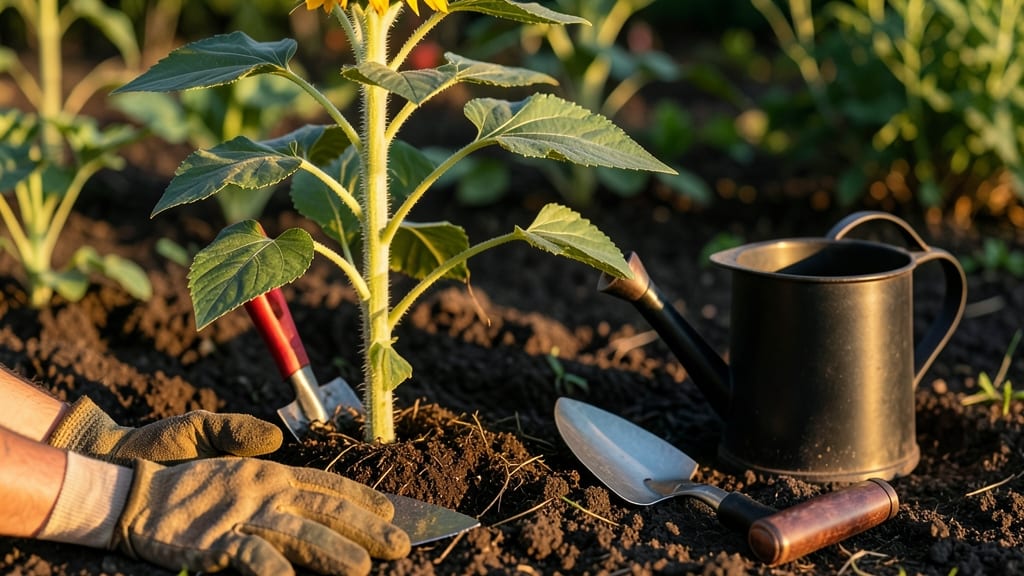
If you've ever dreamed of growing towering sunflowers that reach for the sky in your Louisiana garden, when do you plant sunflowers in Louisiana is the secret question you can't afford to ignore.
Planting these cheerful giants at the wrong time means watching them wilt before they even bloom—something no gardener wants to see.
The key to success lies in Louisiana's unique climate, where USDA Zones 8a-9b give you two prime planting windows: spring and fall.
Whether you're in New Orleans or Shreveport, knowing exactly when to put those seeds in the ground makes all the difference between a 6-foot disappointment and a 12-foot masterpiece.
I'll walk you through the exact frost-free months that work best for your region, plus pro tips for soil prep and aftercare. By the end, you'll know whether March or September is your best bet—and how to adjust for Louisiana's heat and humidity.
Ready to grow sunflowers that turn heads? Let's get started with the planting schedule that'll have your garden looking like a postcard by summer.
Louisiana sunflower planting calendar: month-by-month frost-free guide
Louisiana’s long growing season and warm climate create perfect conditions for sunflowers, but planting timing is critical to avoid heat stress or late-season wilting. Unlike northern states, Louisiana’s USDA Zones 8a-9b allow for two planting windows: spring and fall.
Let’s break down the exact frost-free months and soil temperature requirements for each region.
In North Louisiana (e.g., Shreveport), the last frost date typically falls around March 15, while South Louisiana (e.g., New Orleans) enjoys frost-free conditions by February 15.
This 2-week difference means gardeners in southern parishes can start earlier, but all regions should wait until soil warms to 50°F (10°C) for optimal germination.
For spring planting, aim to sow seeds 4-6 weeks before your last frost date. In most of Louisiana, this translates to late February to early April.
In South Louisiana, you can start as early as mid-February, while North Louisiana gardeners should wait until early March to avoid frost damage to young seedlings.
Here’s a quick reference for ideal planting windows by region:
| Region | Last Frost Date | Ideal Planting Window | Soil Temp Requirement |
|---|---|---|---|
| North Louisiana (Shreveport) | March 15 | Late February - Early April | 50°F (10°C) |
| Central Louisiana (Baton Rouge) | March 1 | Late January - Early April | 50°F (10°C) |
| South Louisiana (New Orleans) | February 15 | Mid-January - Early April | 50°F (10°C) |
| Fall Planting (All Regions) | October 15 - November 15 | August - Early September | 60°F (15°C) |
Don’t overlook fall planting, which is ideal for Louisiana’s mild winters. Sow seeds in late summer (August-September) to enjoy blooms through October and November. Fall-planted sunflowers benefit from cooler temperatures and less humidity, reducing the risk of powdery mildew and bolting.
For direct sowing, plant seeds 1 inch deep and 12-24 inches apart, depending on the variety. Louisiana’s clay-heavy soils can compact easily, so amend with compost or sand to improve drainage. If your soil feels too dense, consider raised beds for better root development.
Monitor soil moisture closely after planting, as Louisiana’s high humidity can lead to rot if seeds are overwatered. Keep the soil consistently moist but not soggy until seedlings emerge, which typically takes 7-14 days at optimal temperatures.
Pro tip: Use black plastic mulch to warm the soil faster in early spring plantings. This method can extend your growing season by 2-3 weeks in North Louisiana, giving you an earlier start on those towering sunflower blooms.
Once your sunflowers are established, they’re drought-tolerant, but Louisiana’s summer heat can still stress plants. Aim to water deeply 1-2 times per week during peak growing months to encourage strong stems and vibrant blooms.
🌻
How to adjust sunflower planting for Louisiana’s heat and humidity
Louisiana’s sweltering summers and sticky humidity can stress sunflowers if you don’t adjust your planting strategy. The key is to beat the heat while maintaining proper moisture levels—without drowning your plants in soggy soil.
I’ve planted sunflowers here for years, and I’ve learned that timing shade and watering makes all the difference between thriving towers of blooms and wilted stalks.
Sunflowers love heat, but they hate sudden temperature spikes above 90°F (32°C). In Louisiana, that means late May plantings often struggle unless you provide afternoon shade. For container-grown sunflowers, this is even more critical since pots heat up faster than in-ground soil.
I’ve seen dwarf varieties like ‘Teddy Bear’ survive better in containers with 30% shade cloth during peak afternoon sun.
Here’s the critical adjustment you must make: plant in early spring (March-April) or late summer (August-September) to avoid the brutal mid-summer heat. If you’re planting in June, use shade cloth until the plants reach 12 inches tall—this prevents bolting (premature flowering) and keeps stems strong.
I’ve had success with 50% shade cloth in North Louisiana parishes like Shreveport, where heat waves hit harder.
| Condition | Adjustment | Best For |
|---|---|---|
| Soil Temperature | Wait until 50°F+ (10°C) | Spring/Fall Plantings |
| Afternoon Sun | 30-50% shade cloth until 12" | June Plantings |
| Humidity Levels | Space plants 18-24" apart for airflow | All Regions |
| Watering Schedule | Deep water every 5-7 days (morning) | Summer Months |
Another game-changer is amending Louisiana’s clay-heavy soil with compost or sand to improve drainage. I mix in 2-3 inches of compost before planting to prevent waterlogging, which leads to root rot in our humid climate.
For container sunflowers, use a fast-draining potting mix with perlite—this prevents the roots from sitting in soggy conditions during our frequent afternoon thunderstorms.
When it comes to watering, consistency is key. Sunflowers need deep soaks (1-2 gallons per plant) every 5-7 days during summer, but never let them sit in wet soil. I water mine before 10 AM to reduce evaporation and fungal risks.
In South Louisiana parishes like Lafayette, where humidity is extreme, I mulch heavily with straw to keep roots cool and retain moisture without overwatering.
If you’re growing sunflowers for seed production, pay extra attention to late-season care. In October, when temperatures drop but before the first frost (usually mid-November), I reduce watering slightly to harden off the stalks.
This ensures the seeds dry properly on the stalk—critical for saving seeds for next year. For cut flower production, harvest when the back of the petals turns yellow, but never wait until the seeds fully mature if you’re growing for blooms.
Finally, watch for pests like sunflower moths and disease pressure from humidity. I’ve had success with neem oil sprays every 2 weeks during peak bloom to deter pests without harming pollinators.
For fungal issues, space plants properly and avoid overhead watering—this is non-negotiable in Louisiana’s damp climate. With these adjustments, your sunflowers will thrive even in our extreme conditions! 🌻