
Plants
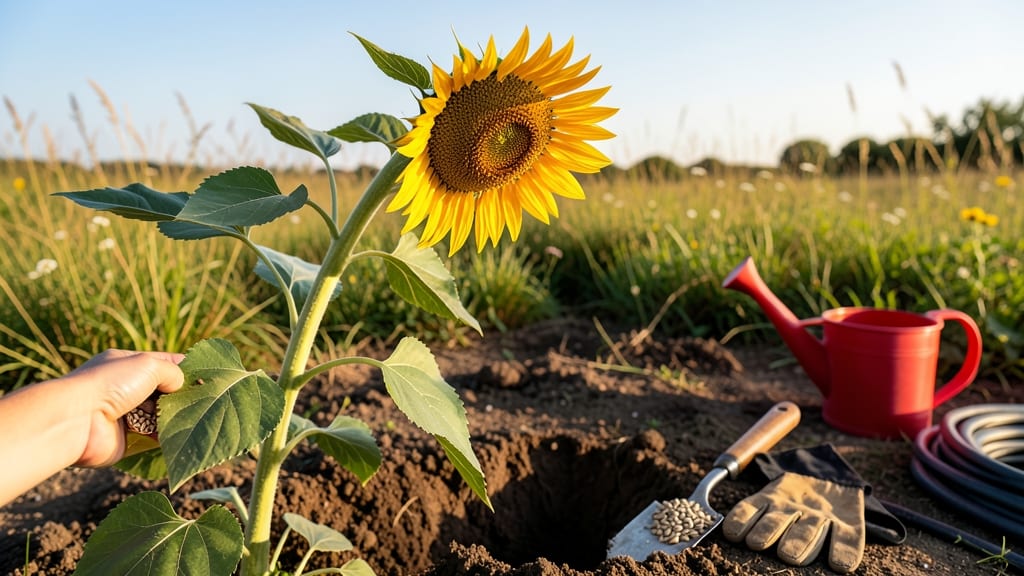
Planting sunflower seeds in Florida isn’t just about sticking them in the ground—it’s about timing them right to beat the heat and humidity while maximizing those stunning 🌻 blooms. Unlike cooler climates, Florida’s frost-free zones (9a-11) mean you’ve got two prime windows to plant: early spring or late summer, each with its own secrets for success.
Miss the mark, and you’ll end up with sunflowers that bolt too fast in summer or struggle to mature in the wrong season. The key? Understanding your local heat zone and soil conditions—because Florida’s sandy soils and intense sun demand a different approach than northern gardens.
I’ll walk you through the exact months to plant, whether you’re direct-sowing or starting indoors, and how to prep your soil for sunflowers that reach their full towering potential.
Let’s cut to the chase: February through April is your best bet for spring plantings, while late summer (August-September) sets you up for fall blooms.
But there’s more to it than just dates—soil temperature, variety selection, and even watering habits play a huge role in whether your sunflowers thrive or wilt before they shine. Ready to grow sunflowers that turn heads and attract pollinators all season long?
What you’ll discover here is how to avoid common pitfalls, like overwatering young plants or choosing heat-sensitive varieties, and instead create the perfect conditions for sunflowers that grow 10+ feet tall and bloom from May through November. Let’s get those seeds in the ground the right way!
Florida’s frost-free window: best months to plant sunflower seeds
Florida’s frost-free climate means year-round sunflower planting potential, but timing still matters to avoid heat stress or pest pressure. Unlike northern states, we don’t worry about frost damage, but soil temperatures and humidity create ideal windows for two main planting seasons: early spring and late summer.
Let’s break down the perfect months for your region.
Most of Florida falls under USDA Zones 8-11, with North Florida (Zone 8a) experiencing occasional light frosts while South Florida (Zone 10-11) stays frost-free year-round. For optimal growth, aim to plant when soil temperatures reach at least 55°F (13°C)—this prevents seed rot in warm, humid conditions.
Use a soil thermometer to check!
Here’s the golden window for planting sunflower seeds in Florida:
| Region | Best Planting Months | Why This Timing? |
|---|---|---|
| North Florida (Zone 8a) | February–April, August–September | Avoids peak summer heat; cooler temps reduce pest pressure. |
| Central Florida (Zone 9a) | January–April, July–September | Year-round potential, but late summer plantings bloom before winter chill. |
| South Florida (Zone 10-11) | Any month (ideal: February–March, August–September) | No frost risk; focus on soil warmth and avoiding extreme heat. |
For direct sowing (planting seeds outdoors), February–April is ideal—seeds germinate in 7–14 days when soil is 60–70°F (15–21°C). If you’re starting indoors, begin seeds 4–6 weeks before your target outdoor date using grow lights to prevent leggy seedlings.
South Florida gardeners can even plant year-round, but avoid May–July due to intense heat and humidity, which stress young plants.
Pro tip: Use black plastic mulch in summer plantings to warm soil faster and suppress weeds. This is especially helpful in North Florida, where summer soil can stay cool. Always water deeply after planting to encourage strong root development—sunflowers need 1–2 gallons per plant in their first week!
Harvest time varies by variety, but spring plantings typically bloom in May–June, while late summer plantings yield flowers in October–November. This staggered blooming extends your sunflower season and attracts pollinators year-round. Just remember: taller varieties (like Mammoth) need staking in Florida’s windy conditions!
If you’re in North Florida and experience an unexpected frost (rare but possible), cover young plants with frost cloth or move potted sunflowers indoors temporarily. Most mature sunflowers can handle light frosts, but seedlings are vulnerable.
For South Florida, focus on pest control—sunflower moths thrive in warm weather, so neem oil sprays can be a game-changer.
Ready to plant? Mark your calendar for February 15th (spring) or August 15th (summer) as your target dates. These windows give seeds time to establish before Florida’s peak heat or hurricane season.
And don’t forget: sunflowers love space—give them 12–24 inches apart depending on the variety to avoid competition!
🌱
Sunflower varieties by heat zone: which types thrive in Florida’s climate?
Florida’s USDA heat zones 9a-11 mean you’ve got options for sunflowers that love the heat, but not all varieties handle Florida’s intense sun and humidity the same way. Some bolt too fast in summer, while others struggle with our sandy, fast-draining soils.
The right variety can mean the difference between a 10-foot giant and a flopped seedling.
For spring plantings (February-April), I recommend heat-tolerant varieties like Mammoth Russian or ProCut, which mature in 80-120 days and handle Florida’s spring warmth like champs.
If you’re planting in late summer (August-September) for fall blooms, go for Teddy Bear or Autumn Beauty—they’re built for shorter days and cooler fall temps without bolting.
Here’s the breakdown: Dwarf varieties like Sunspot (3-4 ft tall) are perfect for containers or small spaces, while standard types like Russian Giant (12-15 ft) need room to stretch their legs. But watch out—some tall varieties can topple in Florida’s summer storms, so stake them early!
| Variety | Height | Days to Mature | Best for Florida | Soil Prep Tip |
|---|---|---|---|---|
| Mammoth Russian | 12-15 ft | 80-120 days | Spring planting | Amend sandy soil with compost |
| Teddy Bear | 3-4 ft | 60-70 days | Late summer/fall | Add mulch to retain moisture |
| ProCut | 5-6 ft | 70-90 days | Year-round (avoid peak summer) | Use raised beds for drainage |
| Sunspot | 1-3 ft | 50-60 days | Containers or small gardens | Well-draining potting mix |
If you’re in North Florida (Zone 8a), stick to early spring plantings—summer heat can stress sunflowers before they mature. Meanwhile, South Florida (Zone 10a+) gardeners can plant almost year-round, but avoid June-August when temps exceed 90°F for weeks.
Pro tip: Soil temperature matters more than air temp—use a soil thermometer to confirm it’s at least 55°F before planting.
For sandy soils (common in Central/South FL), mix in compost or coconut coir to help retain moisture, while clay-heavy soils (North FL) benefit from gypsum or sand amendments. And don’t forget: Dwarf varieties are your best bet for urban gardens or balconies where space is tight!
Once you’ve picked your variety, the next step is prepping your soil—but that’s a whole other story. For now, remember: Mammoth for spring giants, Teddy Bear for fall color, and Sunspot for small spaces. Which one will you try first?