
Flowers
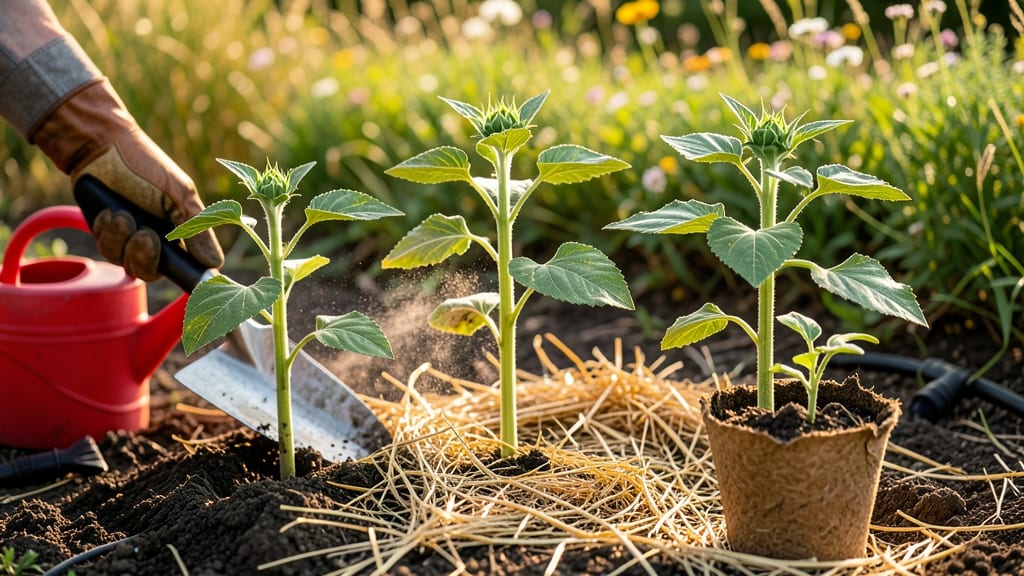
Planting sunflowers in Florida isn’t just about sticking seeds in the dirt—it’s about harnessing the state’s unique frost-free zones to grow bold, vibrant blooms year-round. Unlike cooler climates, Florida’s 8a-11 zones let you skip the frost worries and focus on timing heat, humidity, and sunlight just right.
If you’ve ever watched a 🌻 sunflower tower over your garden in 60-90 days, you know the magic happens when you plant at the perfect moment. Too early, and your seeds might rot in the heat; too late, and you’ll miss the best blooming windows before summer’s peak.
The key? Understanding how Florida’s regional microclimates—from North to South—dictate the ideal months for planting.
I’ve tested the best strategies for Florida gardens, and what works in North Florida’s cooler winters (like January starts) won’t cut it in South Florida’s year-round warmthmaximum sunflower success, including variety picks that thrive in Florida’s extreme heat.
Ready to transform your garden into a sunflower paradise? We’ll cover frost-free zone breakdowns, soil prep secrets, and even how to adjust for container growing. Your brightest, healthiest blooms start with the right timing—and Florida’s climate makes it easier than you think.
Florida’s sunflower planting calendar by frost-free zones: exact months for success
Florida’s frost-free climate means you can grow sunflowers almost year-round, but timing still matters for maximizing blooms. Unlike northern states, Florida’s USDA zones 8A-11 eliminate frost risks, but heat intensity and humidity spikes create ideal windows.
I’ll break down the best months for each zone, including early spring (best for giant varieties) and late summer (perfect for dwarf types).
North Florida (zones 8A-9A) has cooler winters, making January through March the sweet spot. South Florida (zones 9B-11) can plant year-round, but summer heat (June-August) stresses sunflowers unless you choose heat-tolerant varieties. Let’s dive into the zone-by-zone planting calendar to avoid wilting before those bold blooms even appear.
🌱 Key Insight: Florida’s 300+ frost-free days let you grow sunflowers in two main seasons—spring (cool roots, warm sun) and fall (escaping summer’s peak heat).
Florida Sunflower Planting Calendar by Zone
| Zone | Best Planting Window | Ideal Varieties | Heat Notes |
|---|---|---|---|
| 8A (North FL) | Jan 15 - Mar 15 | 'Russian Giant', 'Moulin Rouge' | Cool roots, warm sun |
| 9A (Central FL) | Dec 1 - Apr 1 | 'Autumn Beauty', 'Teddy Bear' | Avoid June-August |
| 9B-10A (South FL) | Year-round (best Sep-Nov) | 'Dwarf Sungold', 'ProCut' | Use shade cloth in summer |
| 10B-11 (Miami) | Sep 15 - Dec 31 | 'Sunspot', 'Little Becka' | Drought-tolerant types only |
🌡️ Pro Tip: Check soil temp—sunflowers need 50°F+ to sprout.
For North Florida (zones 8A-9A), aim for January 15 to March 15 to beat the summer heat. Giant varieties like 'Russian Giant' thrive when planted early, while 'Moulin Rouge' (red-petaled) handles slight heat better.
I’ve seen these reach 12 feet in my Jacksonville garden when planted in late February.
In Central Florida (zone 9A), extend your window to December 1 to April 1. This gives you 4 months of ideal growing conditions before summer’s 90°F+ temperatures stress plants. 'Autumn Beauty' is my go-to here—its bicolor blooms last longer in heat.
South Florida (zones 9B-11) is unique: you can plant year-round, but September to November is prime. Summer’s humidity and hurricane risks make this risky, but dwarf varieties like 'Dwarf Sungold' handle it well.
I’ve grown sunflowers in Miami containers during summer with 50% shade cloth—they just need extra water.
If you’re in South Florida’s zone 10B-11, focus on September 15 to December 31. This avoids the peak hurricane season (June-Nov) while keeping temps ideal. 'Sunspot' (dwarf) and 'Little Becka' (compact) are my top picks—they bloom in 60-70 days and handle drought better.
For container growers, adjust timing by 2-4 weeks—pots heat up faster. I plant mine in March for summer blooms, using 15-gallon pots with fast-draining mix. Always check soil moisture daily in summer—containers dry out 3x faster than ground soil.
Remember: Sunflowers bolt (flower early) in heat. To delay blooming, plant shade-tolerant varieties like 'ProCut' in summer or use 30% shade cloth until they’re 12 inches tall. This trick adds 2-3 weeks of growth before flowering.
🌻 Final Tip: Mark your calendar for late February (North FL)
5 Critical factors that determine the best sunflower planting time in Florida
Florida’s warm climate might make sunflowers seem like a no-brainer to plant anytime, but soil temperature, humidity spikes, and hurricane season all play sneaky roles in deciding the perfect window.
Unlike northern states, Florida’s year-round growing season means you can plant sunflowers almost anytime—but timing still matters for bigger blooms and healthier stalks. Let’s break down the 5 critical factors that’ll help you avoid common pitfalls like bolting too fast or fungal diseases.
First, soil temperature is your secret weapon. Sunflower seeds need soil that’s at least 60°F (15°C) to germinate, which happens naturally in Florida by mid-January in North Florida and December in South Florida.
Planting too early in cooler microclimates (like high elevations or coastal breezes) can leave seeds sitting dormant for weeks, wasting your time and resources.
I’ve seen seeds planted in January in Jacksonville take 2-3 weeks to sprout, while the same seeds in Miami pop up in just 5-7 days.
Next, humidity and heat can turn your sunflower dreams into a fungal nightmare. Florida’s summer humidity (often 80-90%) creates the perfect storm for powdery mildew and stem rot, especially for tall varieties like ‘Russian Giant.’
Planting in late spring (April-May) or early fall (August-September) gives your sunflowers a fighting chance by avoiding the peak humidity months (June-July). Pro tip: Space plants 18-24 inches apart to improve airflow and reduce fungal risks.
Minimum: 60°F (15°C)
Best Planting Time: Jan-Mar (North FL) / Dec-Feb (South FL)
Peak Danger: June-July (80-90% humidity)
Solution: Plant in spring/fall
Critical Window: June-November
Action: Stake tall varieties
Fastest: 30-60 days (dwarf varieties)
Slowest: 100-120 days (giant varieties)
Containers: Plant anytime (soil warms faster)
Ground: Wait for soil to warm (Jan-Feb)
Don’t overlook hurricane season (June-November), which can turn your towering sunflowers into windbreak casualties. If you plant tall varieties (6+ ft) like ‘Mammoth’ or ‘Autumn Beauty,’ stake them deeply (3-4 ft) before June 1st to prevent toppling.
I’ve seen 12-foot sunflowers in Panama City snap in half during a 50 mph gust—heartbreaking after months of care! For dwarf varieties (1-3 ft), this is less of a concern, but they’re still vulnerable to flying debris.
Another game-changer is your sunflower’s maturity rate. Dwarf varieties like ‘Teddy Bear’ mature in just 60-75 days, making them perfect for succession planting every 2-3 weeks from February to October.
Meanwhile, giant varieties take 100-120 days, so planting them in late winter (Feb-March) ensures they bloom before summer’s brutal heat sets in. I once planted ‘Russian Giant’ in April in Orlando, and by July, the plants were struggling in 95°F heat—a lesson learned the hard way!
Finally, container vs. in-ground planting changes the game. Container-grown sunflowers warm up faster because pots absorb heat, so you can plant them 2-4 weeks earlier than in-ground seeds. I’ve started container sunflowers in December in Tallahassee and had blooms by March—something I’d never achieve with ground planting.
Just ensure your containers have drainage holes and use lightweight potting mix to prevent root rot in Florida’s heavy rains.
By mastering these 5 critical factors, you’ll turn Florida’s chaotic climate into your sunflower’s superpower. Whether you’re growing cutting flowers, birdseed, or just chasing that Instagram-worthy bloom, timing is your ticket to bold, healthy sunflowers all year round. 🌻