
Plants
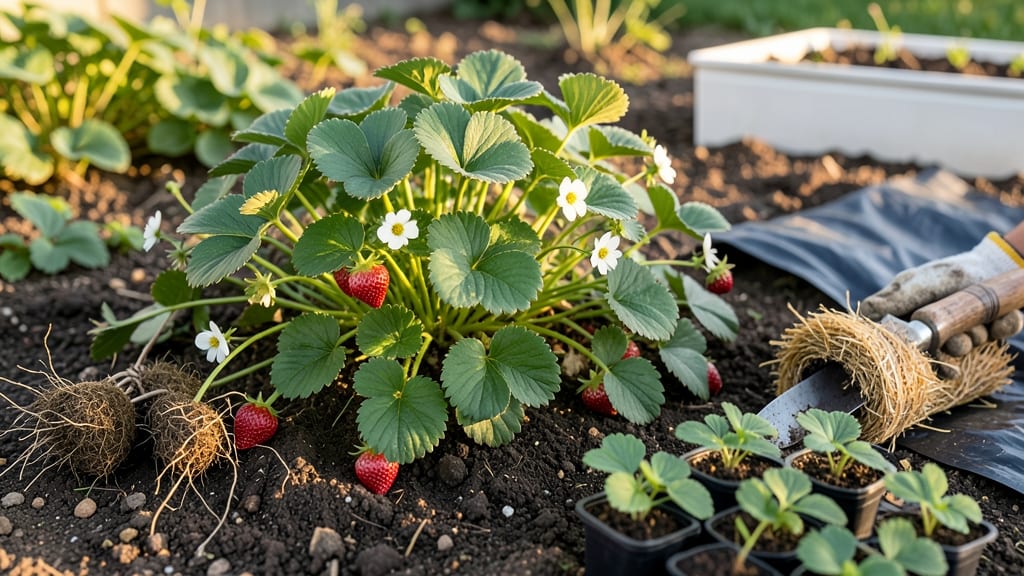
Timing your strawberry 🍓 planting in Kansas isn't just about following a calendar—it's about dodging bolting, frost, and wasted effort. Whether you're in Zone 6a or further south, planting too early or late can mean the difference between a bountiful harvest and disappointment.
Most Kansas gardeners swear by spring planting in March-April or fall planting in August-September, but the exact window depends on your last frost date and soil temperature.
Get it right, and you'll enjoy sweet berries by June or September—get it wrong, and you might end up with bitter-tasting fruit or no harvest at all.
I'll break down the zone-specific deadlines that keep your strawberries thriving, plus whether to use bare-root plants, potted varieties, or seeds for your Kansas climate. No more guessing—just science-backed timing that works for your specific corner of the state.
Ready to plant with confidence? Let's dive into the exact dates and techniques that'll give you the best strawberry season Kansas has to offer.
Kansas strawberry planting deadlines by hardiness Zone (avoid bolting risks)
Kansas spans USDA Hardiness Zones 5a to 7a, creating distinct planting windows for strawberries. In colder northern zones (5a-6a), like Salina or Hays, you’ll need to plant earlier to avoid early spring frosts, while southern zones (7a), like Wichita or Garden City, can start later.
The key is aligning your schedule with soil temperatures above 40°F and last frost dates—which vary by 10-14 days across the state.
For most Kansas gardeners, the optimal planting windows are March-April (spring) and August-September (fall). Spring planting gives you an early harvest, while fall planting establishes roots before winter. But timing matters: Plant too early, and you risk bolting (premature flowering) or frost damage.
Plant too late, and your strawberries may not fruit before Kansas’ first frost (mid-October).
Here’s how to adjust your schedule based on your zone:
If you’re planting bare-root strawberries, do it as soon as the ground is workable—typically 4–6 weeks before your last frost date. For potted strawberries, you can wait until 2 weeks before your last frost, since they establish roots faster.
In Kansas’ Zone 6a (most common), that means mid-March for potted plants or late February for bare-root.
For fall planting, aim to get strawberries in the ground 6–8 weeks before your first frost. In northern Kansas, that’s mid-August, while southern Kansas can wait until early September.
Fall-planted strawberries focus on root growth rather than fruiting, so they’ll be ready to produce early the following spring.
Pro tip: Use a soil thermometer to confirm temperatures. Strawberries need consistent soil temps above 40°F to thrive. If your soil is too cold, delay planting until conditions improve—even by a week—to avoid stunted growth or bolting.
In Kansas’ variable climate, always monitor local frost forecasts and adjust your timeline. A late frost in Zone 5a can wipe out early plantings, while a warm spell in Zone 7a might let you plant 2 weeks earlier than the average. Flexibility is key!
For June-bearing varieties (most common), spring planting is ideal, while everbearing or day-neutral varieties can handle fall planting better. Everbearing types, like ‘Albion’ or ‘Seascape’, produce fruit in both spring and fall, making them a great choice for Kansas gardeners.
Remember: Mulching with straw (ironically!) helps regulate soil temperature and retain moisture, giving your strawberries a better chance of success—especially in Kansas’ hot summers and cold winters. 🌱
How to time strawberry planting for maximum yield in Kansas
Timing your strawberry planting isn’t just about avoiding frost—it’s about giving your plants the perfect head start for a bountiful harvest. In Kansas, where soil temperatures can swing wildly between north and south, microclimates play a huge role.
For example, Wichita (Zone 7a) can plant 2-3 weeks earlier than Hays (Zone 5b) without risking frost damage.
To maximize yields, focus on soil temperature and daylight hours. Strawberries thrive when soil reaches 40°F (4°C)—use a soil thermometer to check before planting. In spring, aim for late March to early April in southern Kansas, while northern growers should wait until mid-April to early May.
For fall planting, August is ideal statewide, as it gives roots time to establish before winter.
Here’s my pro tip: Use black plastic mulch or straw mulch to warm soil faster in spring. This lets you plant 1-2 weeks earlier than the average last-frost date. Just remove mulch temporarily during freeze warnings to protect tender new growth.
🌱 5 Critical Timing Tips for Kansas Strawberry Growers
- Test soil temp: Wait until soil hits 40°F (4°C)—colder soil delays root growth.
- Adjust for microclimates: South-facing slopes warm faster; plant them first in spring.
- Use raised beds: Warms 2-3 weeks earlier than in-ground soil.
- Fall planting deadline: No later than September 1st in northern Kansas.
- Bare-root vs. potted: Bare-root plants need soil temps above 40°F; potted can handle 35°F (2°C).
Don’t overlook companion planting to extend your harvest. Pair strawberries with bush beans, spinach, or lettuce to maximize space and deter pests. These plants thrive in similar conditions but won’t compete for nutrients.
For everbearing varieties, like Jewel or Chandler, a second planting in July can give you a fall harvest before frost.
Watering strategy is just as critical as planting time. After transplanting, keep soil consistently moist (not soggy) for the first 2-3 weeks to encourage root establishment. In Kansas’ dry summers, drip irrigation is a game-changer—it delivers water directly to roots while reducing fungal risks from overhead sprinklers.
Finally, mark your calendar for late October to apply a thick layer of mulch (4-6 inches). This protects roots from freeze-thaw cycles and keeps soil temps stable. With these adjustments, you’ll avoid the #1 Kansas strawberry mistake: planting too early and watching your crop bolt or rot.