
Plants
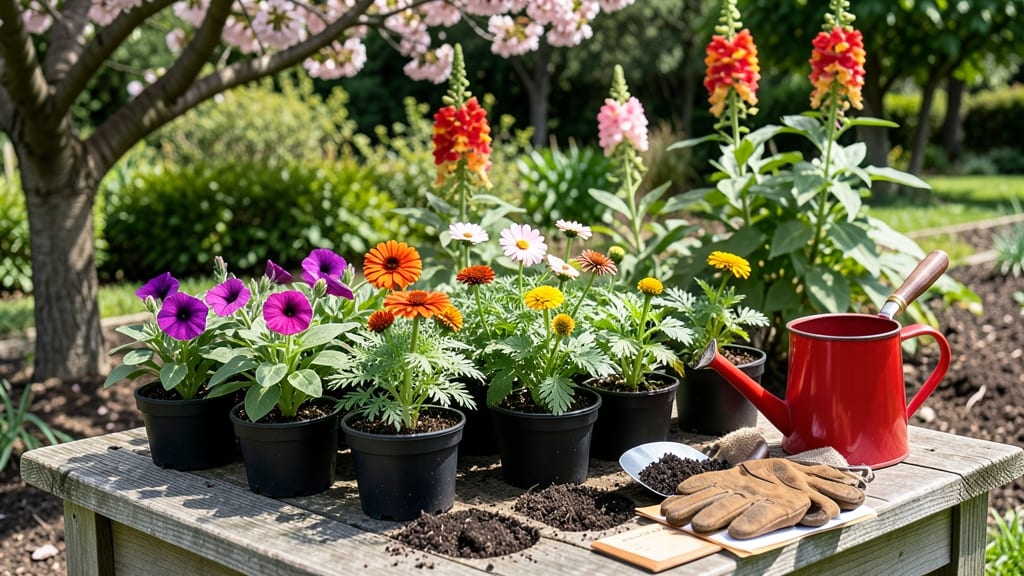
Timing your annuals planting in Colorado can mean the difference between a vibrant garden bursting with 🌸 and a sad, frost-nipped disappointment. With USDA Zones 5-7 and microclimates that vary wildly from Denver’s urban heat islands to the cooler mountain slopes, getting the schedule right is everything.
Most gardeners wait until after the last frost—typically late April to mid-May—but that’s just the starting point. The real secret lies in understanding how elevation and local frost patterns shift your planting window, especially for heat-sensitive varieties like pansies that bolt faster than you can say "Colorado summer."
In this guide, I’ll break down the exact deadlines for cool-season and warm-season annuals, including adjustments for Denver’s Zone 5 and Grand Junction’s Zone 7. You’ll learn how to stretch your blooms until fall without risking frost damage—and why your neighbor’s success might not work in your yard.
Ready to turn your Colorado garden into a year-round showstopper? Let’s dive into the perfect planting schedule that matches your microclimate, not just the calendar.
Colorado annual planting deadlines by USDA Zone (4-7) with frost risk charts
Colorado’s USDA Zones 4-7 create a tricky balance for annuals—too early, and frost zaps your seedlings; too late, and heat-sensitive varieties bolt before blooming. The key is planting after your last average frost date but before soil temperatures climb above 75°F for sensitive species like pansies or snapdragons.
In Denver (Zone 5), that’s typically mid-May, while Grand Junction (Zone 7) can start as early as late April.
For warm-season annuals (e.g., zinnias, marigolds), aim to plant 2-4 weeks after last frost to give roots time to establish before summer heat arrives. Cool-season lovers like calendulas or stock can handle lighter frosts and often tolerate April plantings in protected microclimates.
Always check CSU Extension’s frost charts for your specific elevation—just a 1,000-foot difference can shift frost dates by 2-3 weeks.
Here’s your zone-by-zone planting timeline, including fall replanting windows for second-season blooms. Use these as guidelines, but monitor your local soil temperature (ideal: 50°F+) and nighttime lows—a late frost in June can still damage tender seedlings.
| Zone | Last Frost Avg. | Plant Cool-Season Annuals | Plant Warm-Season Annuals | Fall Replant Window |
|---|---|---|---|---|
| Zone 4 (e.g., Fort Collins) | May 15 | Late May–June 15 | June 1–July 15 | July 15–Aug 15 |
| Zone 5 (e.g., Denver) | April 30–May 10 | Early May–June 1 | May 15–June 30 | July 1–Aug 1 |
| Zone 6 (e.g., Colorado Springs) | April 15–April 25 | Late April–May 15 | April 30–June 15 | June 15–July 15 |
| Zone 7 (e.g., Grand Junction) | March 15–April 1 | March 30–April 30 | April 15–May 15 | May 15–June 15 |
*Adjust dates 1–2 weeks earlier for low-elevation areas or later for high mountain gardens (7,000+ ft).
For heat-loving annuals like portulaca or lantana, you can push planting dates 1-2 weeks later—these thrive in 90°F+ temperatures that would bolt other varieties.
Conversely, cool-season stars like pansies or sweet alyssum need to be in the ground 6-8 weeks before first frost (typically late July for Zone 5) to establish roots and flower before winter.
Pro tip: Use row covers or cold frames to extend your planting window by 2-3 weeks in spring or fall. This is especially useful for Zone 4 gardeners, where a late frost can occur as late as May 20.
Monitor forecasts from NOAA’s Colorado Climate Center for real-time updates on frost risk in your area.
If you’re planting seeds directly (vs. transplants), start 4-6 weeks earlier than the table suggests—seedlings need time to germinate and grow to a hardy size before facing Colorado’s unpredictable weather.
For example, zinnias seeds sown in early May in Denver may not bloom until July, but they’ll outperform transplants planted in late May.
Remember: Soil temperature matters more than air temperature. Use a soil thermometer to confirm 50°F+ for cool-season plants or 60°F+ for warm-season varieties. In Colorado’s thin air, soil warms 3-5°F faster than at sea level, so don’t wait too long—once temperatures hit 80°F, even heat-tolerant annuals
Microclimate adjustments: how Denver’s urban heat vs. mountain slopes change planting dates
Colorado’s microclimates can shift planting windows by 2-4 weeks—even within the same city. Denver’s urban heat island effect makes sidewalks 10°F warmer than nearby foothills, while mountain slopes at 7,000+ ft may still see frost in June.
These variations explain why your neighbor’s marigolds thrive in May while yours bolt by July.
For Front Range gardeners (5,000–7,000 ft elevation), the key is adjusting to your specific zone’s last frost date. Denver (Zone 5) typically sees its final frost around April 15, but a backyard near Red Rocks (6,400 ft) might experience frost until May 10.
Meanwhile, Colorado Springs (Zone 6) averages April 22 for last frost, while Grand Junction (Zone 7) can plant heat-lovers like lantana as early as March 20.
🌡️ Soil temperature matters just as much as air temperature. Most annuals need 50°F+ soil to thrive, but cool-season crops (like pansies) tolerate 40°F. Use a soil thermometer to avoid planting too early—especially in shady microclimates where soil warms slower.
| Microclimate | Last Frost Date | Adjust Planting By | Best Annuals |
|---|---|---|---|
| Denver Urban (Zone 5) | April 15 | Wait until May 1 for heat-lovers | Zinnias, Marigolds, Petunias |
| Foothills (6,000–7,000 ft) | May 1–10 | Delay until May 15 for warm crops | Snapdragons, Sweet Alyssum |
| Colorado Springs (Zone 6) | April 22 | Plant by April 25 for early blooms | Cosmos, Sunflowers, Dahlia |
| Western Slope (Zone 7) | March 20–April 5 | Start warm-season crops by March 1 | Lantana, Portulaca, Vinca |
If you’re in a shady microclimate (e.g., north-facing yard), extend your cool-season planting by 2–3 weeks. Use row covers or cold frames to protect pansies or stock from late frosts.
Conversely, urban heat pockets near pavement can let you plant heat-tolerant annuals like zinnias 2 weeks earlier than rural areas.
For fall planting, aim to sow seeds 90 days before your first frost.
In Denver, that’s early July, but in Zone 7 (Grand Junction), you can plant until August 15. 🌿 Mulch heavily with straw or leaves to insulate roots and extend the season by 3–4 weeks.
Pro tip: Check CSU Extension’s frost maps annually—Colorado’s frost dates shift with climate change. For example, Denver’s last frost has crept 10 days earlier since the 1980s. Adjust your schedule accordingly to avoid bolting or frost damage.