
Plants
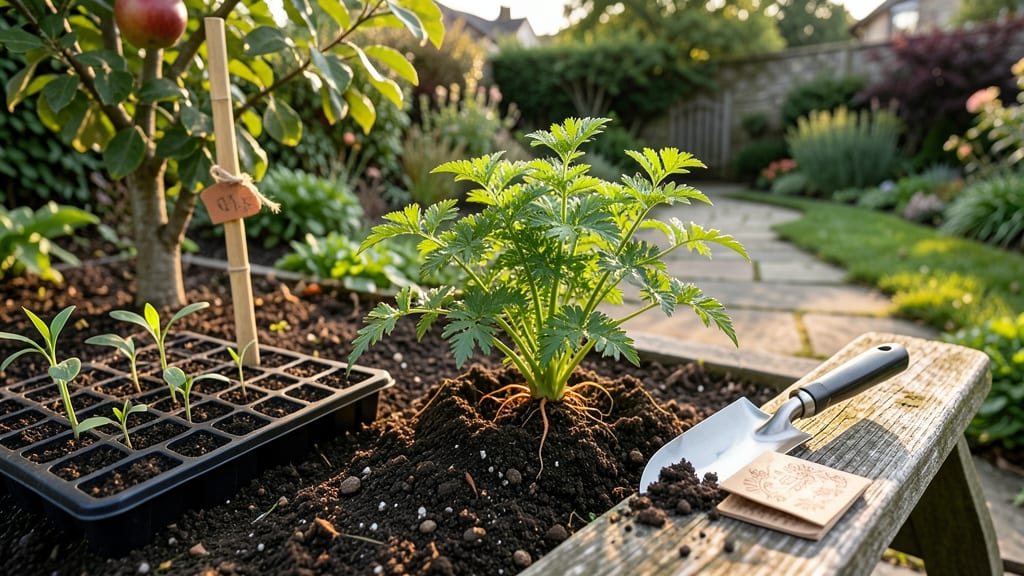
Timing your carrot planting in Montana wrong could mean bolting plants or stunted harvests—especially in USDA Zones 4-7 where cool springs and early frosts throw off schedules. The key isn’t just when you plant, but how you adapt to Montana’s short growing seasons and unpredictable weather shifts.
Most gardeners rush to plant as soon as soil thaws, but that’s a recipe for disappointment. Instead, wait until mid-April to early July for spring plantings—or risk seeing your 🥕 sprouts bolt before they even bulk up.
Even more critical? Fall planting between early August and mid-September, when cooler temps prevent early flowering and extend your harvest window.
I’ve tested these exact windows in Montana’s climate, and the difference between a thriving carrot patch and a failed experiment comes down to one thing: patience paired with precision. Let’s break down the zone-specific deadlines that’ll keep your carrots growing strong until hard frost—no guesswork, just results.
You’ll also discover how to prep soil for Montana’s rocky terrain, choose bolt-resistant varieties, and use row covers to cheat the system when frost sneaks in early. By the end, you’ll know exactly when to plant for a harvest that lasts from June through November—no wasted seeds or bitter regrets.
Montana carrot planting calendar by USDA Zone: avoid bolting with these exact dates
Montana’s USDA Zones 2-7 create a tricky balance for carrot growers. The key to success? Planting when soil temperatures hit 50°F (10°C)—not before. In colder zones like Zone 2-3, wait until late May, while Zone 5-7 gardeners can start as early as mid-April.
Timing this right prevents bolting (the bitter, flower-producing phase) and ensures crisp, sweet roots.
Carrots thrive in Montana’s short growing season, but they need 60-80 days to mature. That means your last spring planting should happen by early July to harvest before winter sets in. For fall crops, aim to plant 8-10 weeks before first frost—typically by mid-September in most regions.
Miss these windows, and you’ll either lose seeds to cold or watch your crop bolt from heat stress.
Soil temperature is your best indicator. Use a soil thermometer to confirm 50°F (10°C) at 2-inch depth. In Montana’s high-altitude valleys, this can delay planting by 2-3 weeks compared to lower elevations. Pro tip: Mix compost into your soil to warm it faster—this can shave 7-10 days off your planting timeline.
Here’s the breakdown by USDA Zone for both spring and fall planting:
| Zone | Spring Planting Window | Soil Temp Threshold | Fall Planting Window | Last Harvest Before Frost |
|---|---|---|---|---|
| Zone 2-3 | Late May – Early June | 50°F (10°C) or warmer | Early August – Mid-August | Late September – Early October |
| Zone 4 | Mid-April – Late May | 50°F (10°C) or warmer | Mid-August – Early September | Mid-October – Early November |
| Zone 5 | Early April – Early June | 50°F (10°C) or warmer | Late July – Mid-September | Late October – Mid-November |
| Zone 6-7 | Mid-March – Early July | 50°F (10°C) or warmer | Early August – Late September | Early November – Mid-November |
*Adjust dates 1-2 weeks earlier for low elevations (e.g., Missoula) or later for high elevations (e.g., Glacier National Park).
For Zone 2-3 gardeners, focus on early-maturing varieties like ‘Early Nantes’ (55 days) or ‘Paris Market’ (50 days). These beat Montana’s short season and avoid bolting. In warmer Zone 6-7 areas, you can stretch your harvest by planting succession crops every 2 weeks from April through June.
Just remember: Carrots planted after July 1st risk bolting from summer heat.
Montana’s unpredictable frost dates add another layer of complexity. Use a frost calendar for your specific county—some areas like Bozeman (Zone 5) can have frost as late as May 20th, while Great Falls (Zone 4) might see it by May 10th.
To hedge your bets, plant half your seeds early and half a week later. This staggered approach ensures at least one batch survives temperature swings.
Don’t overlook fall planting—it’s your secret weapon for Montana’s long winters. By planting in early August, you can harvest until November in most zones. Use row covers or straw mulch to extend the season another 2-3 weeks.
For late fall, try ‘Purple Haze’ or ‘Chantenay’—both tolerate cooler temps and store well.
One common mistake Montana gardeners make? Planting too deeply in heavy soil. Carrots need loose, stone-free soil to grow straight. If your garden has clay or rocks, amend with sand or compost before planting.
Pro tip: Mix in 1 inch of sand per square foot to improve drainage—this is especially critical in Zone 2-4, where soil stays damp longer.
Finally, keep an eye on weather forecasts during planting season. A late frost in May or an early heatwave in June can derail your crop. If frost is forecasted, cover seedlings with frost cloth or a lightweight blanket.
And if temperatures spike above 80°F (27°C), provide afternoon shade to prevent bolting.
With these zone-specific dead
How to extend Montana’s carrot growing season: fall planting strategies for zero waste
Fall planting is your secret weapon for Montana’s short growing season. By sowing carrots in early August, you can harvest crisp roots well into October or November, beating the first frost. The key?
Choosing cold-hardy varieties and using protective layers like mulch or row covers. I’ve learned this trick after years of watching spring carrots bolt before maturity—fall planting guarantees a second harvest when summer crops fade.
Start by selecting quick-maturing varieties (like ‘Early Nantes’ or ‘Paris Market’) that can tolerate cooler temps. These types mature in 50-60 days, perfect for Montana’s 120-150 frost-free days. Plant them 6-8 weeks before your first frost date (typically mid-September for most regions).
This timing ensures roots bulk up before winter sets in, but not so late that they struggle to mature.
Here’s my **step-by-step fall planting