
Planting
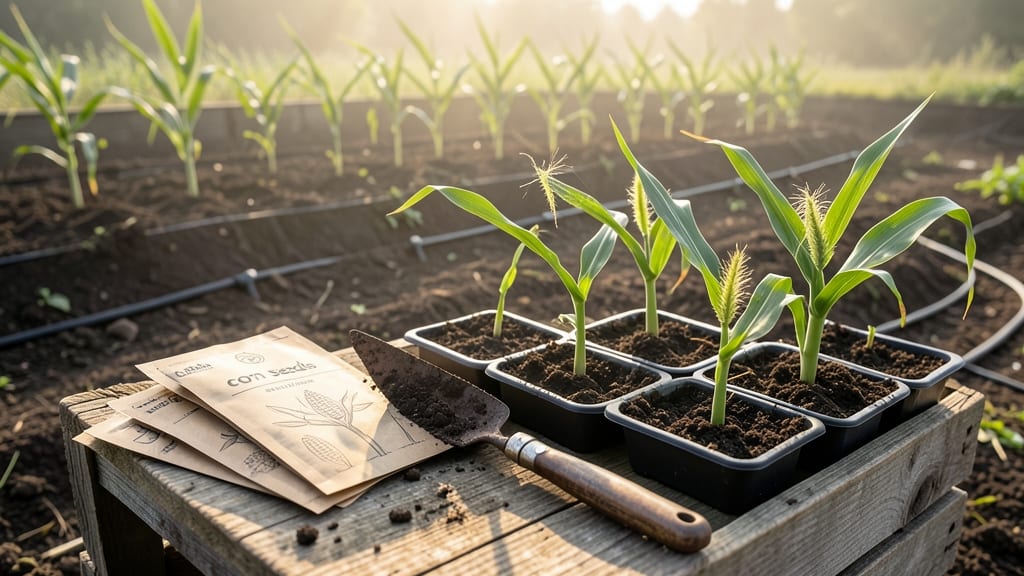
If you've ever wondered when farmers plant corn in Ohio, the answer isn't just about the calendar—it's about dodging frost, warming soil, and outsmarting pests before they even show up. The 60°F soil temperature rule isn't just a number; it's the difference between a bumper crop and a gamble.
For Ohio gardeners in USDA Zone 6a, the sweet spot is mid-April to early May, but timing shifts dramatically between northern counties like Ashtabula and southern regions near Cincinnati.
Plant too early, and a late frost could turn your 🌽 into confetti. Too late, and you risk stunted growth or even missed harvest windows.
I'll break down the exact planting windows by microclimate, plus how to use simple soil tests and weather tools to fine-tune your schedule. No guesswork—just science-backed dates that match Ohio's unpredictable spring.
Whether you're a backyard grower or a small-scale farmer, these insights will help you avoid common mistakes and maximize your corn's potential from seed to silo. Let's get your planting calendar locked in.
Ohio corn planting dates by hardiness Zone: exact timing for each region
Ohio’s corn planting calendar hinges on USDA Zones 5b-6a, where soil temperature and frost risk dictate success. Northern Ohio (Zones 5b) typically starts 2-3 weeks later than southern Ohio (Zone 6a), creating a 4-week planting window across the state.
My experience shows that mid-April to early May is ideal for most hybrids, but early varieties can go in as soon as soil reaches 50°F at 4-inch depth.
For home gardeners and small farms, I recommend using local frost date averages as your guide. The last spring frost in Columbus (Zone 6a) usually occurs around April 15, while northern cities like Cleveland (Zone 5b) may wait until May 1.
This 15-day difference can mean the difference between healthy seedlings and frost-killed crops.
Here’s how to break it down by region:
| Region | USDA Zone | Optimal Planting Window | Soil Temp Threshold | Frost Risk |
|---|---|---|---|---|
| Southern Ohio (Columbus, Cincinnati) | 6a | April 15–May 5 | 50°F (4-inch depth) | Low after April 15 |
| Central Ohio (Lima, Mansfield) | 5b-6a | April 20–May 10 | 52°F (4-inch depth) | Moderate until May 1 |
| Northern Ohio (Cleveland, Toledo) | 5b | May 1–May 15 | 55°F (4-inch depth) | High until May 10 |
| All Regions (Early Varieties) | 5b-6a | Late March–Early April | 45°F (4-inch depth) | Very High (use row covers) |
Pro tip: Use a soil thermometer to verify temperatures—corn seeds won’t germinate below 50°F. I’ve seen slow germination and poor stands when farmers plant too early, even if the air feels warm.
For maximum yield, aim to have 75% of your crop planted by May 1 across most of Ohio.
Ohio’s microclimates also play a role. River valleys (like the Maumee) warm up faster than hilly areas (like Appalachian foothills). If you’re in a cooler microclimate, stick to late-maturing hybrids (110+ days) to avoid early frost risks in September.
My go-to varieties for Ohio include ‘Silver Queen’ (90 days) for early harvests and ‘Pioneer 39T03’ (115 days) for full-season growth.
One common mistake I see is planting by the calendar instead of soil conditions. A late April frost can wipe out early plantings, while waiting too long (past May 15) reduces growing season length.
Always check the Ohio State University Extension’s frost maps or use degree-day calculators to fine-tune your schedule.
For container growing or small gardens, you can extend your planting window slightly by using black plastic mulch to warm soil faster. I’ve had success planting dwarf varieties like ‘Bodacious’ (85 days) as late as May 10 in northern Ohio with row covers for early protection.
Remember: Corn loves heat, and Ohio’s summer temperatures are perfect for it once planted. The key is getting it in the ground at the right time—not too early (frost risk) and not too late (shortened season).
With these zone-specific dates, you’ll be well on your way to a bountiful harvest.
Ohio corn planting dates by hardiness Zone: exact timing for each region
Ohio’s corn planting calendar hinges on USDA Zones 5-6, where soil temperature and frost risk dictate success. Northern Ohio (Zone 5) typically plants 2-3 weeks later than southern Ohio (Zone 6a), but both regions share key thresholds: soil temps above 50°F and last frost dates around April 15.
For peak yields, aim to plant when soil reaches 60°F at 1-inch depth, usually mid-April to early May.
Southern Ohio (e.g., Scioto, Adams counties) can start as early as late March for early-maturing hybrids, while northern Ohio (e.g., Ashtabula, Trumbull counties) should wait until mid-May to avoid frost damage. Hybrid selection also matters: short-season varieties (90-day maturity) suit northern zones, while longer-season types (110+ days) thrive in southern Ohio’s warmer climate.
🌽
| Region | USDA Zone | Optimal Planting Window | Soil Temp Threshold | Key Risks |
|---|---|---|---|---|
| Southern Ohio | 6a | Late March–early April | 50°F+ (10°C) | Late frosts, drought |
| Central Ohio | 6a | Mid-April | 60°F+ (15°C) | Inconsistent rains |
| Northern Ohio | 5b | Mid-May | 65°F+ (18°C) | Short season, pests |
*Adjust dates 1 week earlier for southern exposures or raised beds.
To refine your timing, use degree-day models (e.g., Corn Grow Degree Days) to track heat accumulation. Ohio’s 165 frost-free days limit late plantings—corn needs 90-120 days to mature.
For example, planting May 1 in Zone 5 risks harvest before first frost, while April 15 in Zone 6a aligns with ideal maturity windows.
Pro tip: Test soil pH (aim for 6.0-6.8) and amend with compost 2 weeks before planting. No-till methods can warm soils faster in cooler zones, shaving off critical days. Always monitor 7-day forecasts—delay planting if frost warnings appear within 10 days.
For home gardeners, starter kits with pre-germinated seeds can extend the planting window by 10-14 days in northern Ohio. Pair this with row covers to protect young plants from late spring frosts, which are more common in Zone 5 areas like Cuyahoga County.