
Planting
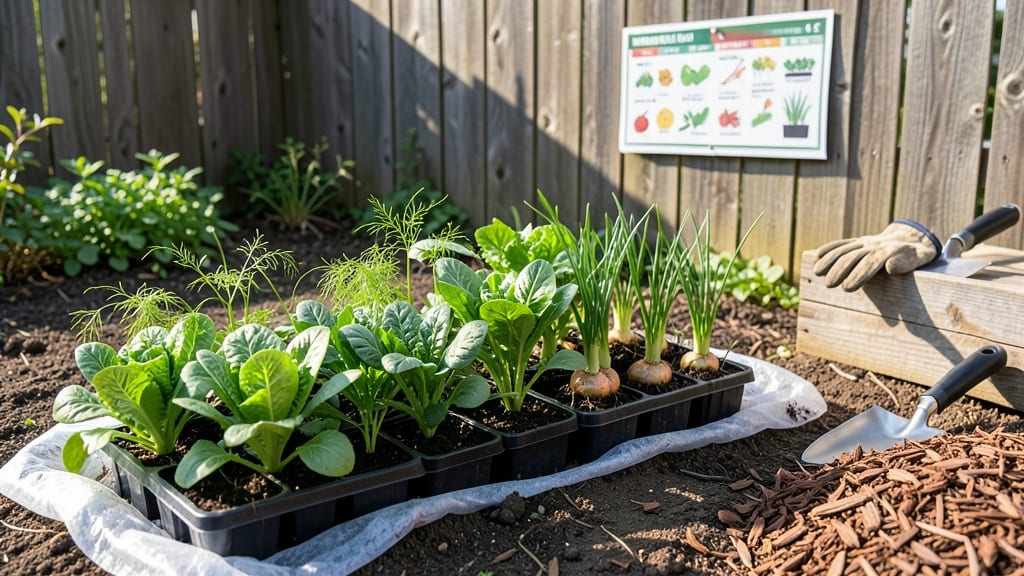
Planting a garden in Michigan at the wrong time can mean the difference between a lush, productive 🌱 harvest and a season of disappointment. With frost dates shifting unpredictably from year to year—and zones ranging from 5b in the Upper Peninsula to 6b in southern counties—getting your timing right is everything.
Most Michigan gardeners know the basics: wait until after the last frost, which typically arrives between mid-April and early May. But what you might not realize is that even a few days off can send your tomatoes bolting or your lettuce turning bitter.
The key isn’t just avoiding frost—it’s matching your planting to your specific zone’s 150-180 frost-free days.
In this guide, I’ll break down the exact windows for cool-season crops (like peas and spinach) that thrive in early spring, versus warm-season favorites (tomatoes, peppers) that need soil temperatures above 50°F.
You’ll also learn how to adjust for microclimates—whether you’re gardening near Lake Michigan’s cooling breezes or in an urban heat island.
Ready to turn your Michigan garden into a year-round success? Let’s dive into the deadlines, tools, and tricks that’ll keep your harvests coming from late June all the way through October.
Michigan planting deadlines by Zone: exact dates for vegetables, flowers, and herbs
Michigan’s USDA Hardiness Zones 4a-6b create dramatic differences in planting schedules—just 100 miles can shift your last frost date by 2-3 weeks.
Northern counties like Marquette (Zone 4a) face May 15 average frost dates, while southern Wayne County (Zone 6b) gardeners can plant tomatoes by April 15 with minimal risk. These variations mean one-size-f’timing doesn’t fit all.
To navigate this, I’ve mapped county-specific deadlines for cool-season crops (like spinach and peas), warm-season staples (tomatoes and peppers), and perennials. The key? Start 4-6 weeks before your last frost for cold-hardy plants, and wait until after frost for heat-lovers.
Let’s break it down by zone—because in Michigan, timing is everything.
🌱 PRO TIP: Use MSU Extension’s Frost Prediction Tool (https://www.canr.msu.edu) to get hyper-local alerts. Even a 5-day forecast can save your cabbage seedlings from a surprise freeze.
| Zone & County | Last Frost Date | Cool-Season Planting Window | Warm-Season Planting Window | Fall Planting Deadline |
|---|---|---|---|---|
| Zone 4a (UP: Marquette, Iron) | May 15 | April 1 - May 1 | May 20 - June 10 | August 15 |
| Zone 5a (Mid-MI: Grand Rapids, Lansing) | May 1 | March 15 - April 15 | April 25 - May 15 | September 1 |
| Zone 5b (Detroit, Ann Arbor) | April 25 | March 1 - April 10 | April 15 - May 5 | September 15 |
| Zone 6a (SE MI: Monroe, St. Joseph) | April 15 | February 20 - March 25 | April 1 - April 20 | October 1 |
| Zone 6b (Thumb Region) | April 10 | February 15 - March 20 | March 25 - April 10 | October 10 |
*Adjust for microclimates: Lakeshore areas (like Traverse City) warm 2 weeks earlier than inland zones.
For cool-season crops like kale, carrots, and peas, I recommend starting seeds indoors 6-8 weeks before your last frost date.
In Zone 4a, that means March 1 sowing for outdoor planting by April 15. Warm-season crops (tomatoes, peppers, basil) need soil temps above 60°F—so wait until after your last frost, even if seedlings are eager.
Perennials like asparagus and rhubarb have their own rules: Plant crowns in early spring (March-April) for Zone 5b+, but wait until May in colder zones. Herbs like thyme and oregano thrive when planted in spring or fall, avoiding Michigan
How to extend your Michigan growing season: cold frames, row covers, and succession planting strategies
Michigan’s short growing season—just 150-180 frost-free days in most zones—can feel like a race against time. But with the right tools and techniques, you can push harvests into October (or even November) and start earlier in spring.
I’ve tested these methods in my Zone 5b garden, and they’ve added 4-6 extra weeks of productivity without risking frost damage.
Cold frames and row covers are my top tools for extending the season. A simple DIY cold frame (made from repurposed windows and wood) can protect tender plants like spinach and kale from light frosts down to 20°F.
Row covers, on the other hand, are lightweight and breathable, perfect for peppers and tomatoes when nighttime temps dip below 50°F. Both let sunlight through while trapping heat—just don’t use them on hot days, or your plants will overheat.
Season-Extending Tools: Pros and Cons
✅ Extends season by 6-8 weeks
✅ Protects from light frosts (20°F)
❌ Requires DIY skills or purchase
❌ Needs ventilation on warm days
✅ Lightweight and portable
✅ Works for tomatoes, peppers, herbs
❌ Reduces sunlight by 10-30%
❌ Needs stakes or hoops
*Best for: Cold frames = leafy greens; Row covers = fruiting plants
For maximum efficiency, combine season extension with succession planting. Instead of planting all your bush beans or lettuce at once, stagger them every 2 weeks from May through July.
This ensures a continuous harvest instead of a single glut. I’ve even planted radishes every 10 days—they mature in just 30 days, so you’re always getting fresh ones!
Don’t forget about fall planting. Many crops thrive when days grow shorter, like broccoli, carrots, and Swiss chard. Sow these 6-8 weeks before your first frost (usually late July to early August in Michigan).
Use row covers again in September to protect them from early frosts, and you’ll have harvests well into November.
Pro tip: Check Michigan State University’s frost prediction maps (available via their Garden Guide) for your county’s exact dates. I’ve found that southern Michigan (Zone 6a) can often push harvests 2 weeks later than the Upper Peninsula (Zone 4b). Adjust your timeline accordingly!
With these strategies, you’ll turn Michigan’s short season into a year-round gardening advantage. Start with one tool—like a row cover for your tomatoes—and build from there. Your future self (and your dinner table) will thank you! 🌱