
Plants
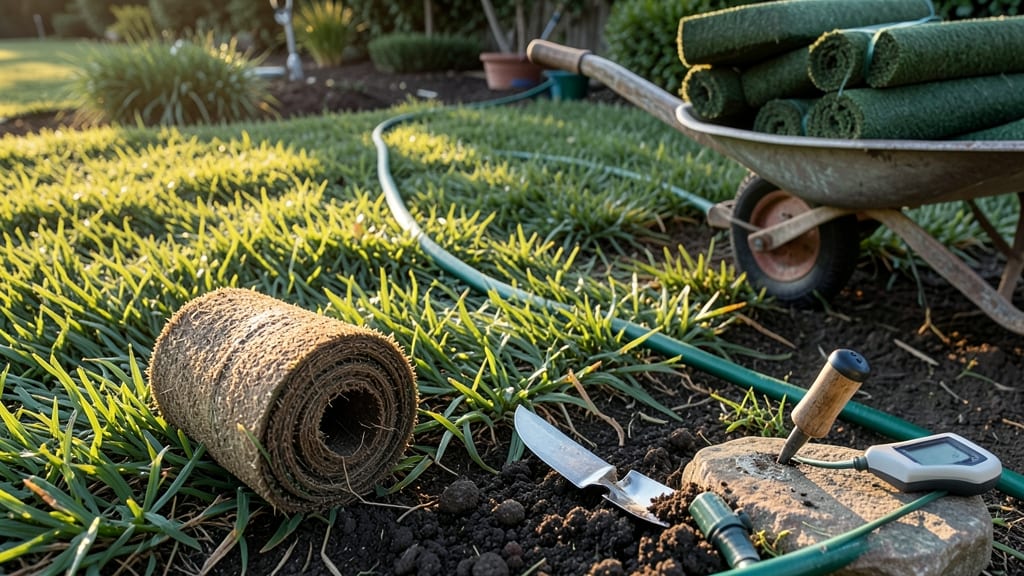
If you're asking "when is the best time to plant St. Augustine Grass in Texas", the answer isn't just about months—it's about soil warmth, rainfall timing, and avoiding Texas's brutal summer heat.
Planting too early means weak roots struggling in cool soil, while waiting too late risks scorching new growth.
This lush, shade-loving 🌱 grass thrives when soil temperatures hit 65–75°F, which in Texas usually means late spring (May) or early fall (September). But here's the catch: your exact window depends on whether you're in North Texas (where frosts linger) or South Texas (where summer heat arrives early).
I'll break down the science behind these timing rules—like why August planting often beats spring for stronger root establishment—and share regional adjustments for Houston, Dallas, and San Antonio. No more guessing if your grass will survive the first Texas heatwave.
Ready to transform your lawn? Let's dive into the exact planting schedule, soil prep secrets, and watering tricks that make the difference between patchy grass and a vibrant, drought-resistant carpet.
Optimal planting windows for St. augustine grass in Texas: soil temperature & rainfall rules
Planting St. Augustine grass in Texas isn’t just about picking a month—it’s about understanding soil temperature, rainfall patterns, and regional climate quirks. This grass thrives when soil hits 65–75°F, giving roots the perfect boost.
But Texas’s North vs. South divide means timing varies wildly from Dallas to Houston.
The ideal window spans March to June (spring/early summer) and August to September (fall). Spring planting lets grass establish before summer’s scorching heat, while fall avoids the 100°F+ temperatures that stress young roots. Rainfall also plays a role—1–2 inches weekly keeps soil moist without drowning roots.
Here’s the science: Soil temps below 60°F stunt growth, while above 80°F can scorch new roots. Texas’s North Zone (8a-9a) has cooler springs, so aim for late April–early June. The South Zone (9b-10b) can start as early as March but must finish by June 15 to avoid summer stress.
Now, let’s break down the critical factors for your region in this summary table:
| Factor | North Texas (8a-9a) | South Texas (9b-10b) | Key Tip |
|---|---|---|---|
| Soil Temp | 65–75°F (April–June) | 65–75°F (March–May) | Use a soil thermometer! |
| Rainfall | 1–2 inches/week | 2+ inches/week (humid) | Supplement with irrigation if dry. |
| Last Frost | February 15 | January 1 | Wait 2 weeks after frost. |
| Heat Risk | Low (spring) | High (summer) | Avoid planting after June 15. |
| Fall Window | August–September | August–October | Best for drought resistance. |
For North Texas, focus on late April–early June. The cooler nights help roots establish without the stress of 90°F+ days. In South Texas, you’ve got a narrower window—March–May—because summer arrives early. Miss this, and you’ll battle fungal diseases or brown patch from overheating.
Rainfall is your ally, but not if it’s too much. 1–2 inches weekly keeps soil moist, but standing water suffocates roots. Use a rain gauge to track totals and supplement with drip irrigation during dry spells. Pro tip: Morning watering (before 10 AM) reduces evaporation and fungal risks.
One more critical factor: shade cloth. If planting in June–July, use 30–50% shade cloth to protect young grass from intense Texas sun. This isn’t optional—it’s survival. Without it, your St. Augustine could turn crispy within weeks.
Finally, soil prep makes or breaks success. Test your soil’s pH (6.0–7.5) and amend with compost or peat moss for sandy Texas soils. A well-aerated bed with 1–2 inches of mulch retains moisture and regulates temperature—exactly what St. Augustine craves.
Timing isn’t just about the calendar—it’s about soil science, weather patterns, and regional tweaks. Master these, and your lawn will outperform neighbors who guess wrong. Ready to dig in? Let’s talk month-by-month scheduling next.
Optimal planting windows for St. augustine grass in Texas: soil temperature & rainfall rules
Texas's extreme heat and variable rainfall make timing critical for St. Augustine grass success. Unlike cool-season grasses, this tropical beauty thrives when soil temperatures hit 65–75°F—a window that shifts dramatically between North and South Texas.
The ideal planting months are August–September (fall) and May–June (late spring), but your exact schedule depends on your region. South Texas (Houston, Corpus Christi) can plant as early as April, while North Texas (Dallas, Fort Worth) often waits until May to avoid late frosts.
Here’s why these windows work: Fall planting gives roots time to establish before winter, while spring planting risks heat stress. Rainfall also plays a role—1–2 inches weekly during establishment is non-negotiable.
🌱 Visual Guide: Below is a breakdown of soil temps, rainfall needs, and regional adjustments to maximize your grass’s survival rate.
| Factor | North Texas (Dallas/Fort Worth) | Central Texas (Austin/San Antonio) | South Texas (Houston/Corpus Christi) |
|---|---|---|---|
| Soil Temp for Planting | 65–75°F (May–June) | 65–75°F (April–May or Aug–Sept) | 65–75°F (March–April or July–Aug) |
| Rainfall Trigger | 1–2" weekly (spring) | 1–2" weekly (fall preferred) | 1–2" weekly (year-round) |
| Avoid Planting When | Soil <60°F or >85°F | Soil <60°F or >90°F | Soil >80°F (summer) |
| Best Months | May–June or Sept | April–May or Aug–Sept | March–April or July–Aug |
Pro tip: Use a soil thermometer to confirm temps before planting—65°F is your magic number for root growth. In North Texas, wait until after May 15 to dodge late frosts, while South Texas gardeners can start as early as March if soil warms early.
💧 Rainfall matters more than you think: St. Augustine grass needs consistent moisture during establishment. If your area experiences drought in summer, prioritize fall planting to avoid stress. In Houston’s humidity, morning watering prevents fungal diseases, while Dallas’s dry heat demands deep, infrequent watering.
By aligning your planting with these soil temp and rainfall rules, you’ll give your grass the best shot at deep roots and lush growth—no more patchy lawns or summer browning. Next, we’ll dive into the month-by-month planting calendar tailored to your Texas city.