
Plants
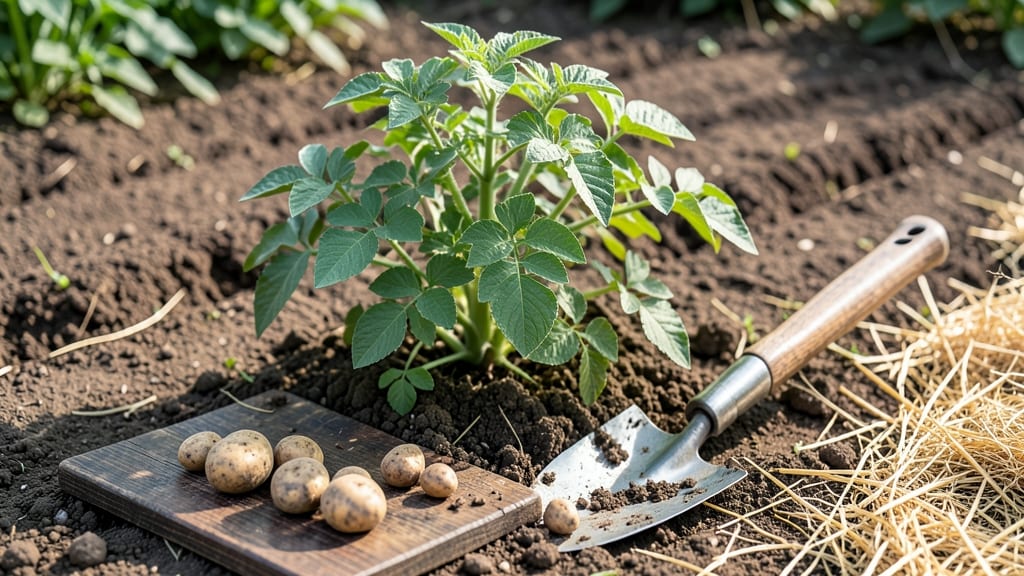
Planting potatoes at the wrong time in Kentucky can mean the difference between a bumper harvest and wasted effort. With the right timing, you’ll get crisp, flavorful 🥔 tubers ready by summer—but get it wrong, and you might end up with stunted plants or even rot.
The key lies in understanding your local frost dates and soil temperatures, which vary across the state’s diverse growing zones.
For most of Kentucky, including zone 6a, the ideal window opens in early spring—typically between March and April—when soil temperatures hit at least 45°F. But don’t rush!
Planting too early can leave your potatoes vulnerable to frost, while waiting too long might mean missing the peak growing season. The goal is to get them in the ground 2-4 weeks before the last frost, usually around March 15.
Here’s what you’ll discover: how to adjust for Kentucky’s unpredictable weather, which potato varieties thrive in your region, and the simple soil prep tricks that make all the difference. Whether you’re a seasoned gardener or a first-timer, these tips will help you grow potatoes that outperform store-bought every time.
Let’s break down the exact steps so you can plant with confidence—and enjoy a harvest that’s worth the wait.
Kentucky’s ideal potato planting window: frost-free dates & hardiness zones
Kentucky’s USDA hardiness zones 5a-7a mean your potato planting window varies slightly by region, but most gardeners aim for late February to early April.
The average last frost date across Kentucky falls between March 15 and April 15, with northern areas (like Paducah) freezing later than southern regions (like Bowling Green). To pinpoint your exact window, check the USDA Plant Hardiness Zone Map or local weather stations.
For early varieties like Red Pontiac, plant 2-4 weeks before the last frost—around mid-February to early March—since they mature faster (60-90 days). Mid-season varieties (e.g., Yukon Gold) need 90-120 days and should go in late March to early April. Late varieties (like Fingerlings) can wait until April 15-30 for a summer harvest.
Kentucky’s humidity and spring rains can delay planting, so avoid soggy soil. If your area gets consistent rainfall in March, wait until soil dries enough to crumble—usually late March or early April.
Rural areas with drier microclimates (e.g., near caves or slopes) may plant 1-2 weeks earlier than urban spots like Louisville or Lexington, which hold cold longer.
Pro tip: Use row covers or black plastic mulch to warm soil faster if you’re eager to plant early. These tricks can shave 10-14 days off your growing season, letting you start in late February even in cooler zones like Northern Kentucky.
Just remove covers when plants sprout to avoid overheating.
Here’s a quick reference for Kentucky’s three main regions and their ideal planting windows:
| Region | Last Frost Date | Ideal Planting Window | Best Varieties |
|---|---|---|---|
| Northern KY (Paducah, Hopkinsville) | April 1-15 | Early March–early April | Red Pontiac, Kennebec |
| Central KY (Lexington, Louisville) | March 15–April 1 | Late February–late March | Yukon Gold, Fingerlings |
| Southern KY (Bowling Green, Paducah) | March 1–15 | Late February–early March | Adirondack Red, Purple Viking |
If you’re in Zone 6a or 7a, aim for soil temps of 45°F+ before planting—cold soil slows germination.
Use a soil thermometer (or your finger: if soil feels cold to the touch, wait). Early planting (before March 15) risks frost damage, while late planting (after April 15) shortens your harvest window. Balance is key!
For succession planting, Kentucky gardeners often plant two batches: one in early March (early varieties) and another in mid-April (late varieties). This stretches your harvest from June to August. Just mark your calendar for June 1—that’s when most Kentucky gardens start harvesting!
Local Kentucky Extension offices offer free frost-date data. Call yours for hyper-local advice—some years, a late freeze can push your window back 2 weeks. Don’t gamble with your spuds; check before you chop!
🌱
Soil temperature rules for Kentucky potatoes: when to plant for maximum yield
Potatoes in Kentucky won’t sprout if the soil is too cold—even if the air feels warm. The magic number is 45°F, the minimum temperature for germination. At this threshold, your seed potatoes will finally break dormancy and send up those first eager green shoots.
But here’s the catch: 50°F is where real growth takes off, and anything below 40°F can stunt your crop or invite rot.
Most of Kentucky’s USDA Zone 6a hits 45°F soil temps between late March and early April, but rural areas in zones 5b-7a may warm up faster. To check, use a soil thermometer—stick it 4 inches deep (where roots form) for the most accurate reading.
If it’s below 45°F, wait it out; planting early in cold soil wastes your seed potatoes and invites disease.
Soil Temp Impact on Potatoes
If your soil is still chilly, don’t panic—there are tricks to speed up warming. Lay down black plastic mulch 1-2 weeks before planting to absorb sunlight and raise temps by 5-10°F.
For high-value varieties like Yukon Gold, consider row covers or even a mini greenhouse to create a cozy microclimate. Just remove covers once plants emerge to avoid overheating.
Planting too late? After mid-April, soil temps climb above 55°F, which can stress potatoes by encouraging shallow tuber growth.
If you miss the window, opt for late-maturing varieties like Red Pontiac (120 days) or extend your season with succession planting—just be ready to harvest by early October before the first frost.
Pro tip: In Kentucky’s humid climate, well-draining soil is non-negotiable. If your garden holds water, amend with compost or sand to prevent rot. And always plant seed potatoes 4 inches deep—shallower depths risk exposure to light, turning your potatoes green (and toxic).
Timing isn’t just about the calendar—it’s about giving your potatoes the perfect temperature cradle to thrive. Get it right, and you’ll harvest plump, disease-free tubers by summer. Get it wrong, and you’ll be left with shriveled spuds or worse. 🥔