
Plants
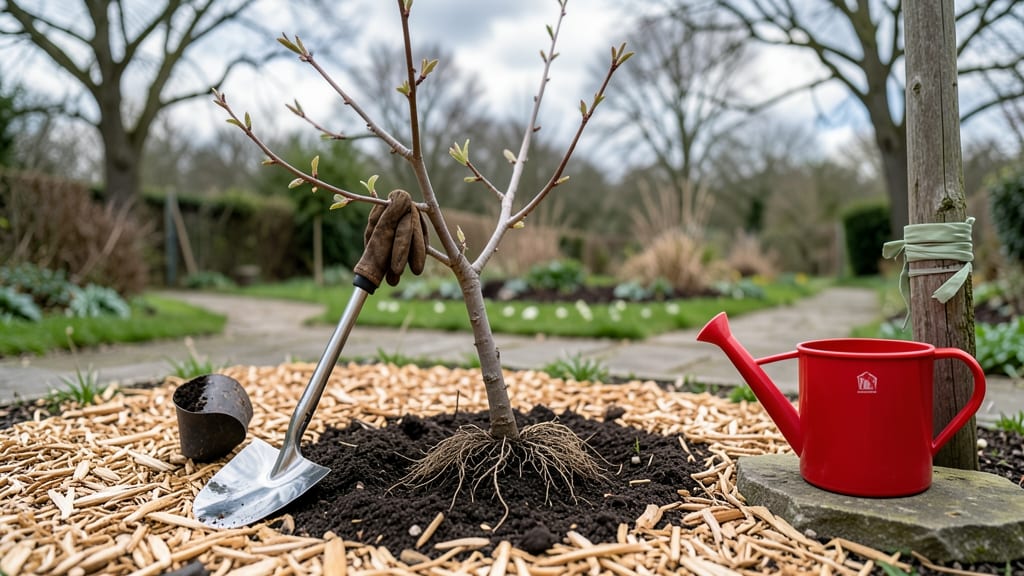
Timing when to plant a tree in the ground just right could mean the difference between a thriving 🌳 and a struggling sapling. The best time to plant a tree depends on your climate zone, soil conditions, and whether you're working with bare-root or container-grown specimens.
In USDA Zone 6a, like many northern regions, early spring and fall are your golden windows—4-6 weeks before or after your last frost. Planting too early risks frozen soil, while waiting too late can stress young roots before winter sets in.
I'll break down exactly how to read your local cues.
You might assume spring is always ideal, but evergreens and some deciduous trees actually prefer cooler fall soil. We'll cover these exceptions and how to adjust for tropical or Mediterranean climates where frost isn't a factor.
Let's dive into the science behind soil temperatures, frost-free rules, and the 3 key mistakes that kill trees before they even get started. Your future shade provider's success depends on getting this right.
Soil temperature rules for planting trees by season
Planting a tree when the soil temperature is ideal ensures strong root growth and long-term survival. Most trees thrive when soil temperatures range between 40°F and 70°F, allowing roots to establish without stress. This window typically aligns with early spring or fall, depending on your climate zone.
In spring, soil warms gradually, giving roots time to spread before summer heat sets in. Meanwhile, fall planting lets trees establish roots before winter dormancy kicks in. Avoid planting when soil is still frozen or baked hard by summer sun—both conditions shock roots and stunt growth.
To test soil temperature, use a simple soil thermometer (insert 4-6 inches deep). If the reading falls outside the 40°F–70°F range, wait or adjust your planting plan. For example, in USDA Zone 5, aim for April or early May when soil reaches 50°F.
Container-grown trees adapt better to warmer soil conditions than bare-root varieties, which need cooler, moist soil to prevent dehydration. Always check the root flare (where roots meet the trunk) to ensure it sits 2 inches above ground level for proper airflow.
| Season | Ideal Soil Temp | Planting Window | Key Considerations |
|---|---|---|---|
| Spring | 45°F–65°F | 4–6 weeks after last frost | Soil thawed; roots establish before summer heat |
| Fall | 50°F–60°F | 6–8 weeks before first frost | Cooler temps reduce transplant shock; roots grow before dormancy |
| Summer | Avoid (unless tropical) | Not recommended | High soil temps cause root burn; stress increases mortality risk |
| Winter | Frozen soil | Not possible | Roots cannot establish in frozen ground; risk of heaving |
For bare-root trees, prioritize fall planting in cooler climates (Zones 3–6). These trees enter dormancy naturally, reducing stress. In warmer zones (7–10), plant in late fall or early spring to avoid summer drought. Always water deeply after planting to encourage root spread.
Mulch around the base with 2–4 inches of organic mulch (wood chips or straw) to retain moisture and regulate soil temperature. Keep mulch 6 inches away from the trunk to prevent rot. Replenish mulch annually to maintain insulation.
If you’re unsure about soil temperature, opt for container-grown trees, which tolerate wider temperature ranges. Their established root systems also reduce transplant shock. For example, a red maple or dogwood planted in fall will outperform one planted in summer.
Pro tip: Use a soil thermometer for 3–5 days to confirm stable temperatures before planting. This small step can mean the difference between a thriving tree and one that struggles for years. Always prioritize root health over convenience!
Frost-free date guidelines by USDA hardiness Zone
Your USDA hardiness zone determines the frost-free window for planting trees. In Zone 6a, like many northern climates, aim for 4-6 weeks before or after your last frost date. But what if you're in Zone 8b or Zone 3a? Each zone has its own timing rules.
For example, Zone 3a gardeners should plant in early May to avoid late frosts, while Zone 10a (tropical) can plant year-round. The key is understanding your last frost date and adjusting for microclimates—like valleys holding cold air longer.
🌳
Transitional zones (like Zone 7b) need extra caution. If your area has unpredictable frosts, extend your planting window by 2 weeks or use frost cloth for young trees. Evergreens, like pine or spruce, prefer fall planting to establish roots before winter.
For container-grown trees, you have more flexibility—they adapt better to late spring planting than bare-root trees. But always check soil moisture: dry soil can shock roots just as much as frozen ground.
Pro tip: Use a soil thermometer to confirm temps are above 40°F before planting. This beats guessing and ensures your tree’s roots don’t freeze.