
Companion Plants
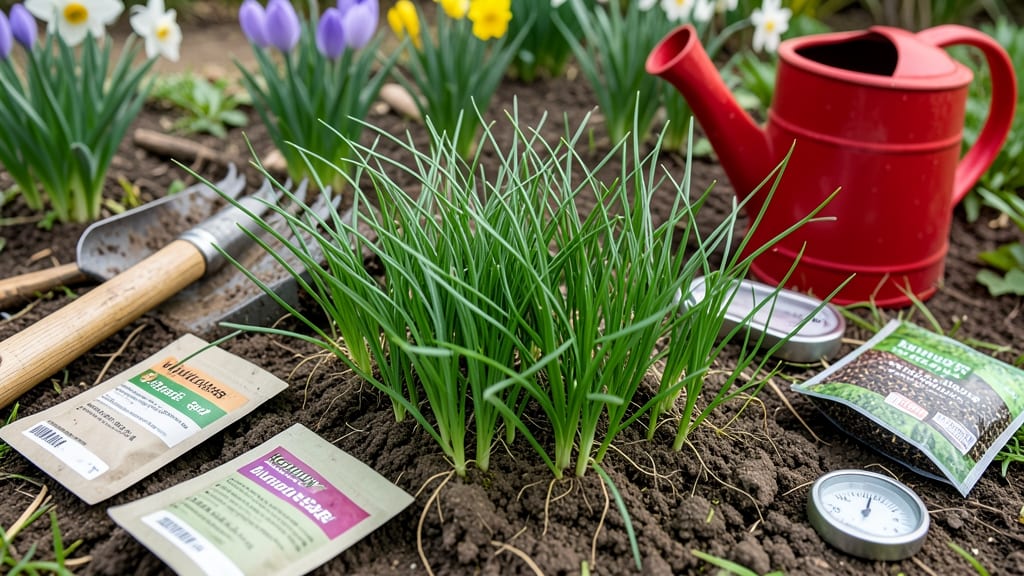
Timing your spring grass planting perfectly can mean the difference between a vibrant lawn and a patchy disappointment. The key isn't just picking a random weekend in March—it's about understanding your local climate, soil temperature, and frost risks to give your 🌱 Grass (Turfgrass) the best possible start.
Most gardeners in USDA Zone 6a (and similar regions) should aim to plant between early and late spring, but the exact window depends on when your last frost date falls. Plant too early, and cold snaps can kill tender seedlings; too late, and summer heat stresses new growth.
Let me show you how to calculate the ideal planting window for your area.
Beyond timing, preparation is everything. We'll cover soil testing, seed selection, and the 5 critical steps to ensure your lawn establishes strong roots before summer hits. Whether you're seeding a new yard or overseeding an existing one, these insights will help you avoid common mistakes that ruin spring plantings.
Ready to transform your lawn? By the end of this guide, you'll know exactly when to plant, how to prep your soil, and what to watch for in the weeks after seeding. Let's get started on that lush, green lawn you've been dreaming of.
Best spring planting dates based on soil temperature and frost risk
Planting grass in spring requires precise timing—too early, and frost will kill tender seedlings; too late, and summer heat stresses young roots. The ideal window depends on soil temperature (above 50°F) and your last frost date.
Aim to plant 4-6 weeks before the average last frost for your region, giving grass time to establish before summer heat arrives.
In the Northern U.S. (USDA Zones 3-6), this typically means planting between late March and mid-May. For the Southern U.S. (Zones 7-10), the window shifts to February through April, as milder winters allow earlier planting. Always check your local frost-free date—this is your planting deadline.
Soil temperature is the real game-changer. Grass seeds need soil that’s at least 50°F for 7 days straight to germinate properly. Use a soil thermometer ($10 at garden centers) to test depth—2 inches deep is critical.
If your soil is colder, wait a few weeks or use a seed warming mat for stubborn patches.
Regional differences matter. In Zone 4 or colder, wait until after Mother’s Day (mid-May) to avoid late frosts. In Zone 8 and warmer, you can plant as early as January in some areas, but avoid extreme summer heat—June planting risks drought stress.
Always prioritize consistent moisture over rushing the schedule.
🌱Pro Tip: Check your local agricultural extension office for hyper-local advice. They track microclimates and can tell you if your neighborhood’s frost patterns differ from the general zone average.
🌱 Spring Grass Planting Timeline by Region
| Region | USDA Zone | Ideal Planting Window | Soil Temp Requirement | Key Risk |
|---|---|---|---|---|
| Northern U.S. | 3-6 | Late March–Mid-May | 50°F+ for 7 days | Late frosts |
| Southern U.S. | 7-10 | February–April | 55°F+ for 5 days | Summer drought |
| Pacific Northwest | 5-7 | Early April–Late May | 50°F+ for 10 days | Cool, wet springs |
| Southwest Desert | 8-10 | September–October | 60°F+ for 3 days | Extreme heat |
🌡️ Note: Adjust for microclimates (e.g., valleys stay cooler; hills warm faster).
Even within zones, microclimates change everything. A south-facing slope warms faster than a north-facing yard, so test soil temperature in your specific planting area. If you’re in a high-altitude area (e.g., Denver), plant 2-3 weeks later than the zone average—cooler air delays soil warming.
Don’t rely on air temperature alone. A 50°F air temp can hide 40°F soil, which will kill seeds. Use a soil thermometer for accuracy—plant only when readings are consistently warm.
If your soil is too cold, cover seeds with straw mulch (1 inch thick) to insulate them until conditions improve.
For cool-season grasses (like Kentucky bluegrass or fescue), plant in early spring (March-April). Warm-season grasses (like Bermuda or Zoysia) prefer late spring (May-June) when soil is 60°F+. Mixing types? Plant cool-season first, then warm-season 4-6 weeks later.
🌱Remember: The first 2 weeks after planting are critical. Keep soil moist but not soggy—water deeply 2-3 times per week (1 inch total) until grass reaches 3 inches tall. After that, adjust to 1 inch per week in summer. Overwatering is just as bad as underwatering!
Best spring planting dates based on soil temperature and frost risk
Determining the perfect time to plant spring grass starts with understanding your local last frost date and soil temperature. Most grass seeds need the ground to stay consistently above 50°F (10°C) for optimal germination. If you plant too early, cold snaps can stunt growth or kill seedlings entirely.
For most regions in the U.S. (USDA Zones 5-8), the ideal planting window falls between 4-6 weeks before your last frost date. This gives seedlings time to establish roots before summer heat arrives.
For example, if your last frost is April 15, aim to plant between mid-March and early April.
Northern climates (Zones 3-5) should plant closer to late April or May to avoid late frosts, while Southern regions (Zones 8-10) can start as early as February. Always check your local USDA Plant Hardiness Zone for precise timing.
| Region | Best Planting Window | Soil Temp Requirement | Key Risk |
|---|---|---|---|
| Northern U.S. (Zones 3-5) | Late April to early May | 50-60°F (10-15°C) | Late frost damage |
| Midwest (Zones 6-7) | Mid-March to April | 55-65°F (13-18°C) | Inconsistent spring temps |
| Southern U.S. (Zones 8-10) | February to early March | 60-70°F (15-21°C) | Summer heat stress |
| Mountainous Areas | May to June | 50-60°F (10-15°C) | High elevation frost |
Use a soil thermometer to confirm ground temperatures before planting. Insert it 4-6 inches deep (where roots will grow) and wait for consistent readings above 50°F (10°C). If nights are still below freezing, consider using a lightweight frost blanket to protect young seedlings.
Pro tip: Check your local Cooperative Extension Service for hyper-local advice. They provide frost-free date data and regional planting recommendations tailored to your county. This is especially useful if you're in a microclimate (like a valley or near a large body of water).
Once you've nailed the timing, focus on pre-planting prep—like soil testing and weed control—to give your grass the best possible start. A well-prepared lawn can mean the difference between patchy growth and a thick, vibrant carpet of green by summer.