
Plants
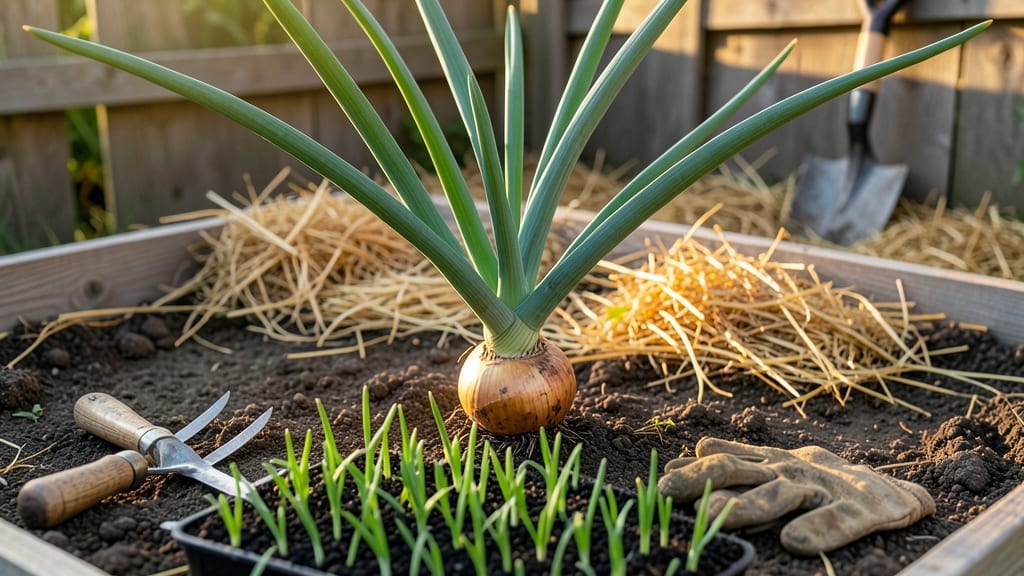
Timing your 🧅 onion planting in Georgia can mean the difference between a bumper crop and a bitter disappointment—especially in USDA zones 7b-8b where heat and humidity play tricks on these cool-season favorites.
Most gardeners assume spring is the only window, but Georgia’s mild winters and long growing season actually open two prime planting opportunities: late February through early March for spring harvests, or August to September for fall crops.
Get this wrong, and you’ll either trigger early bolting or miss the frost-free window entirely.
I’ll walk you through the exact frost-free timeline tailored to Georgia’s microclimates—whether you’re in Atlanta’s highlands or Savannah’s coastal warmth—plus pro tips to adjust for heat spikes and humidity that can sabotage your onions before they bulb up.
By the end, you’ll know not just when to plant, but how to choose the right varieties and prep your soil to outsmart Georgia’s climate challenges. Let’s dig in.
Georgia onion planting calendar: best months by variety to avoid bolting
Georgia’s USDA Zones 7b-8b offer two prime windows for planting onions: late winter/early spring and late summer/fall. The key is avoiding bolting—when onions flower prematurely—by aligning planting with your region’s last frost date (March 15) and day-length requirements for each variety.
Onions are classified by day-length sensitivity: short-day (red/yellow), intermediate-day (white), and long-day (green). Georgia’s mild winters and long growing season make it ideal for both spring and fall crops, but timing varies by variety. Let’s break it down by region and type to maximize your harvest.
🌱 Georgia Onion Planting Guide by Variety
For spring planting, aim to transplant 4-6 weeks before Georgia’s last frost (March 15). In Atlanta (Zone 7b), this means late February for short-day varieties, while Savannah (Zone 8a) gardeners can push to early March.
Use onion sets or transplants for faster results—seeds take 100+ days to mature.
Fall planting offers a second harvest opportunity in Georgia’s mild climate. Start 8-10 weeks before first frost (November 15), so August-September is ideal. White onions handle fall planting best, while red varieties may bolt if planted too early. Always choose bolting-resistant varieties like 'Texas Early White' for fall crops.
Georgia’s humid summers can stress onions, so shade cloth (30-50%) during June-August helps prevent bolting. Pair this with consistent moisture—never let soil dry out completely—and you’ll avoid the bitter, pungent flavor that comes from stress. Mulch with straw or pine needles to retain moisture and regulate soil temperature.
Pro tip: Test your soil pH before planting—onions thrive in 6.0-7.0 pH. Georgia’s clay-heavy soils often need compost or sand for drainage. Amend beds 4-6 weeks before planting to give microbes time to break down organic matter.
If you’re seed-starting indoors, begin 8-10 weeks before transplanting. Use grow lights for 14-16 hours of light daily to prevent leggy seedlings. Harden off plants for 7-10 days before moving them outdoors to avoid transplant shock.
Remember: Onions need patience. From seed to harvest takes 120-150 days, but the reward is homegrown bulbs that outshine store-bought in flavor. Plan ahead, adjust for your microclimate, and you’ll enjoy fresh onions year-round in Georgia’s garden.
Georgia onion planting calendar: best months by variety to avoid bolting
Georgia’s USDA zones 7b-8b create a unique challenge for onion growers—too early, and your short-day onions bolt in the heat; too late, and fall crops won’t mature before frost.
The key is planting 4-6 weeks before your last frost date (typically March 15 for most regions), but with regional tweaks for Atlanta’s cooler highlands versus Savannah’s coastal warmth.
Most Georgia gardeners focus on spring planting (late February–early March) for harvests in May–June, but fall planting (August–September) is equally viable if you choose the right varieties. The trick?
Matching your onion type to Georgia’s day-length triggers—short-day onions (like red and yellow varieties) handle our mild winters, while long-day onions (like green onions) struggle unless planted early.
🌱 Pro Tip: Use onion sets or transplants instead of seeds for faster, more reliable results in Georgia’s short growing season. Sets planted in late February give you bulbs by June, while August transplants yield fall harvests.
📅 Georgia Onion Planting Timeline by Variety
| Variety Type | Best Planting Window | Harvest Time | Georgia-Specific Notes |
|---|---|---|---|
| Short-Day (Red/Yellow) | Late Feb–Early Mar (spring) or Aug 1–15 (fall) | May–June (spring) or Oct–Nov (fall) | Thrive in Georgia’s mild winters; avoid early fall planting in Zone 8b. |
| Intermediate-Day (White) | Feb 20–Mar 10 (spring) or Aug 15–30 (fall) | June–July (spring) or Oct–Nov (fall) | Best for Atlanta’s cooler microclimates; needs consistent moisture. |
| Long-Day (Green) | Feb 1–15 (spring only) | April–May (spring) | Risky in fall; plant early for green onions only. |
For Atlanta gardeners (Zone 7b), aim for March 1 planting to avoid premature bolting from April’s rising temperatures. In Savannah (Zone 8b), you can push spring planting to March 15 thanks to later frosts, but fall planting must start by August 1 to mature before frost.
Soil temperature is your silent partner here—onion sets need soil at 50°F+ to sprout, while seeds require 60°F+. Use a soil thermometer to time your planting perfectly, especially in cooler microclimates like the North Georgia mountains.
Remember: Bolting is your enemy in Georgia’s heat. If you miss the window, try shade cloth (30–50%) or mulch to keep roots cool during summer’s peak. With these adjustments, you’ll dodge the bolting bullet and enjoy homegrown onions twice a year! 🧅