
Plants
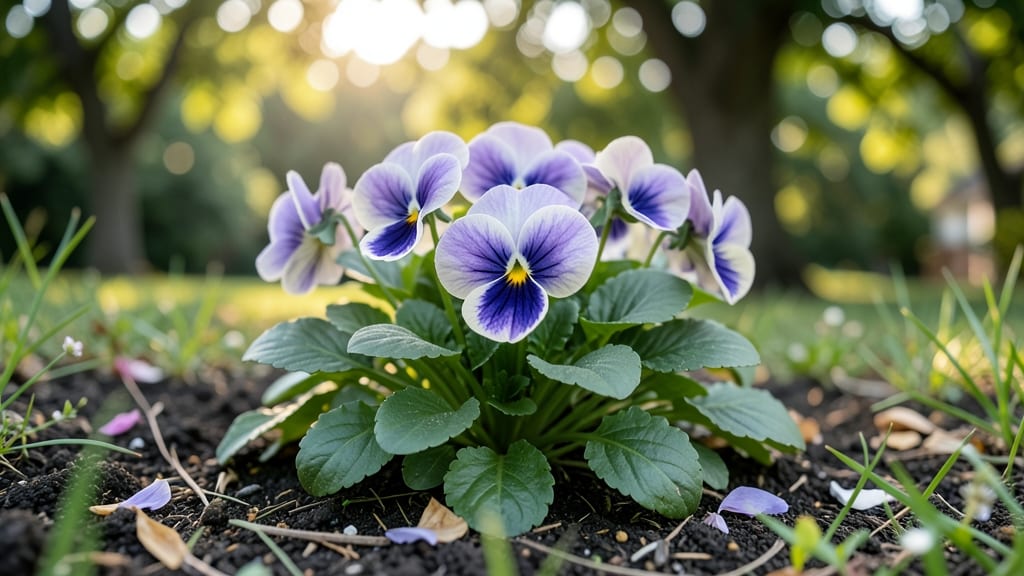
If you're dreaming of a Georgia garden bursting with colorful pansies 🌸, timing your planting is the secret to success. The best time to plant pansies in Georgia isn't just about the calendar—it's about catching those perfect windows when temperatures and frost dates align for thriving blooms.
Fall planting in September-October gives pansies a head start before winter, while spring slots in February-March ensure vibrant displays as temperatures rise. These windows let you beat Georgia's first frost (Nov 15) and last frost (Mar 15) while avoiding summer heat stress.
What makes these timing windows so crucial? Pansies are cold-hardy but frost-sensitive—planting too early means struggling with heat, while waiting too long risks missed blooms. I'll show you exactly how to nail those 6-8 week buffers before frost for maximum success.
Ready to transform your garden into a year-round color show? Let's dive into the ideal planting schedule, soil prep tips, and pro strategies to keep your pansies blooming beautifully through Georgia's seasons.
Georgia’s optimal pansy planting windows: fall vs spring timing breakdown
Pansies thrive in Georgia’s USDA zones 7b-8b, where their cold-hardy yet frost-sensitive nature makes timing critical. Planting too early in summer stresses them, while waiting too late risks frost damage. The ideal windows are early fall (September-October) for winter blooms and late winter (February-March) for spring color.
Georgia’s first frost date typically arrives around November 15, while the last frost usually occurs by March 15. These dates create a 6-8 week window for fall planting and another for spring. Pansies planted 4-6 weeks before frost establish strong roots before winter chill sets in.
For fall planting, aim for mid-September to early October—this gives pansies time to root before cold weather. In spring, plant late February to mid-March to avoid late frosts. Both windows ensure continuous blooms from late fall through spring.
Here’s how Georgia’s climate impacts timing:
| Planting Window | USDA Zone 7b-8b | Frost Risk | Bloom Season |
|---|---|---|---|
| Fall (September-October) | 4-6 weeks before first frost | Low (established roots) | Late fall to early spring |
| Spring (February-March) | 4-6 weeks before last frost | Moderate (late frosts) | Spring to early summer |
Georgia’s humidity and heat can stress pansies if planted too early in summer. Avoid June-August planting—these months bring intense heat that causes pansies to bolt (flower prematurely) or develop leaf scorch. Instead, focus on the cooler months when temperatures stay between 50°F-75°F.
For extended blooms, some gardeners plant a second fall crop in November, choosing frost-hardy varieties like ‘Matrix’ or ‘Cool Wave’. These tolerate light frosts (20°F-25°F) and provide late-season color before winter sets in.
In Zone 8b (southern Georgia), where winters are milder, you can push fall planting to early November. However, always monitor local frost forecasts—a sudden cold snap can damage young plants. Use row covers for extra protection if frost is predicted.
Spring planting in Georgia benefits from warmer soil temperatures, which encourage faster root growth. Choose well-draining soil and partial shade in hotter afternoons to prevent heat stress. Mulch with 2-3 inches of straw to retain moisture and regulate soil temperature.
Remember: Pansies are biennials in Georgia’s climate, meaning they often rebloom the following year if cared for properly. Proper timing ensures vibrant, long-lasting blooms and minimizes the risk of disease or pest issues common in stressed plants.
Georgia’s optimal pansy planting windows: fall vs spring timing breakdown
Pansies thrive in Georgia’s USDA zones 7b-8b, but their frost sensitivity means timing is critical. The two best windows are early fall (September-October) for winter blooms and late winter/early spring (February-March) for spring color.
These periods balance cool temperatures and moisture availability, giving pansies time to establish roots before extreme heat or frost.
Fall planting is ideal because pansies need 4-6 weeks to root before the first frost (typically mid-November in Georgia). This means starting in late September for a 6-8 week bloom cycle through winter.
Spring planting should begin 4-6 weeks before the last frost (around mid-March), ensuring blooms appear by early spring.
🌸 Georgia Pansy Planting Comparison
| Season | Best Months | Key Considerations |
|---|---|---|
| Fall | September-October | Plant 4-6 weeks before first frost (Nov 15). Avoid late October if frost arrives early. |
| Spring | February-March | Start 4-6 weeks before last frost (Mar 15). Protect from late frosts with row covers. |
✅ Pro Tip: Use mulch in fall to insulate roots and extend blooms into early spring.
Georgia’s humid summers make mid-summer planting risky—pansies struggle with heat stress above 85°F. If you miss fall or spring windows, consider container gardening to move pansies to shade during peak summer heat. Containers also allow you to rotate plants seasonally for continuous color.
For year-round blooms, stagger plantings: start with fall pansies in September, then add spring varieties in February. This creates a 6-month display from late fall to early summer. Just ensure each batch gets well-draining soil and morning sunlight to prevent fungal issues.
Watch for Georgia’s microclimates—higher elevations (like the Blue Ridge Mountains) may experience frost 2-3 weeks earlier than Atlanta. Adjust your planting window accordingly, aiming for 60-70°F soil temps for best germination and root growth.
Finally, avoid planting pansies in August or July—the intense heat and drought conditions can shock young plants. Instead, focus on soil prep during these months to ensure your fall or spring planting sites are ready with organic matter and proper drainage.